Understanding Political Endorsements Amid Election Campaigns
In the realm of international politics, it’s not unheard of for leaders to express their preferences for allies during electoral cycles. When leaders build strong relationships, it’s only natural to hope for the continuation of these dynamics. However, an endorsement can cross the line from support to interference, especially during sensitive electoral events.
The Nature of Endorsements
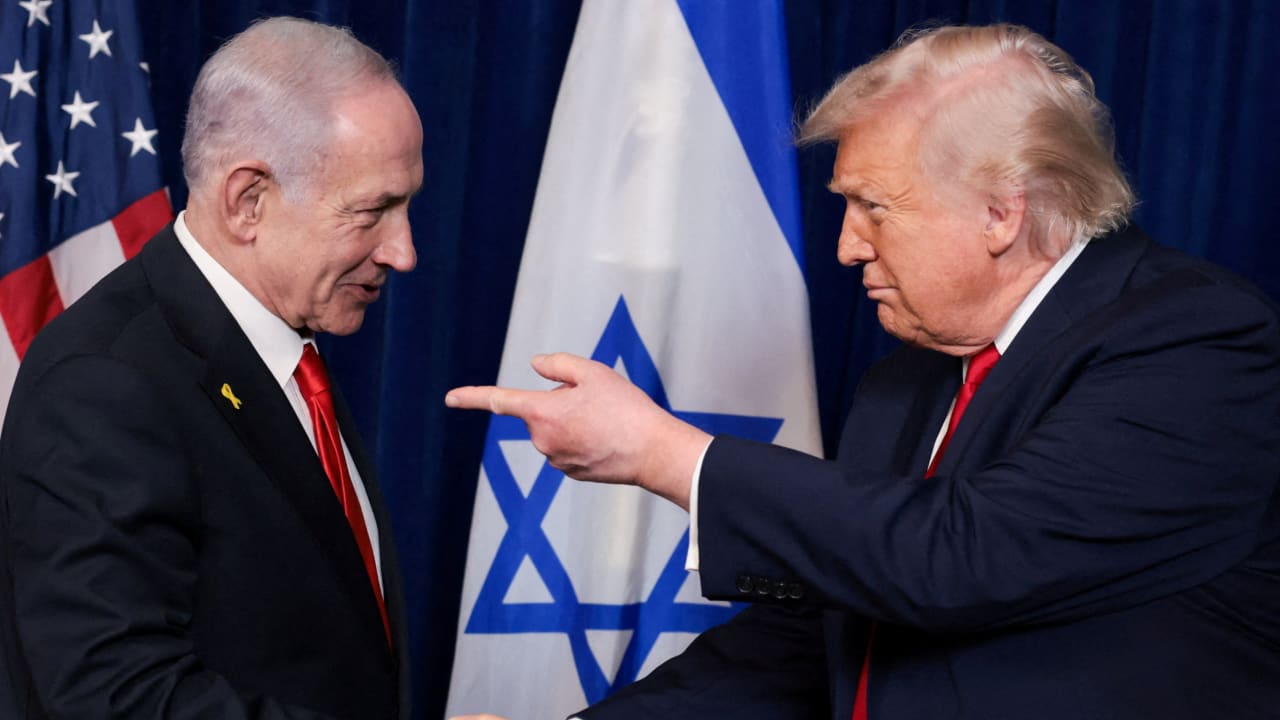
Recently, U.S. President Donald Trump made headlines by openly endorsing Israeli Prime Minister Benjamin Netanyahu ahead of Israel’s upcoming election. While a leader’s preference for a particular candidate based on personal ties or shared goals may seem benign, such endorsements can be viewed as a blatant form of foreign influence in another nation’s electoral process. This situation raises questions about the appropriateness of external leaders weighing in on domestic elections.
Trump’s Bold Stance on Netanyahu
Trump’s endorsement of Netanyahu described him as an “indispensable partner” in combating Iran, suggesting that the future of U.S.-Israeli relations hinges upon Netanyahu’s re-election. In the face of ongoing tensions with Iran, such endorsements may seem strategically sound to some; however, they also distort the integrity of the electoral process. By framing the election in a way that prioritizes U.S. interests, Trump’s comments risk undermining Israel’s sovereignty in determining its political leadership.
The Historical Context of Foreign Influence
Foreign interference in political campaigns is not a new phenomenon; both the U.S. and Israel have engaged in various forms of lobbying in each other’s electoral processes for decades. In 1996, for instance, President Bill Clinton’s administration covertly supported Shimon Peres against Netanyahu, an act that Netanyahu himself opposed vigorously at the time. He decried foreign attempts to sway elections, emphasizing that decisions about leadership should be made by the citizens of the nation in question.
The Consequences of Endorsements
Despite the historical precedents, Trump’s recent endorsement may not significantly alter the electoral landscape in Israel. His polarizing figure both in the U.S. and Israel could inadvertently harm Netanyahu’s campaign rather than help it. The premature enthusiasm might paint Netanyahu as beholden to Trump, raising doubt about his independence as a leader.
The Imperative for Domestic Decision-Making
The bottom line is that Israelis should exercise their right to vote free from external pressures or implications that suggest their choices need to align with another country’s agenda. The U.S.-Israel relationship is critical, but it should not overshadow the needs and concerns of Israeli voters as they evaluate their leadership options. The integrity of any electoral process hinges on the belief that the electorate can make decisions based on local issues without foreign interference.
Moving Forward
As both Trump and Netanyahu navigate their careers beyond their current posts, it remains vital that the longstanding and robust U.S.-Israel relationship is preserved. Nation-building transcends personal relationships; it involves ensuring that political leadership reflects the will of the people. With numerous pressing issues on the table for Israeli voters, the influence of foreign leaders should be entirely off the agenda as they go to the polls.