
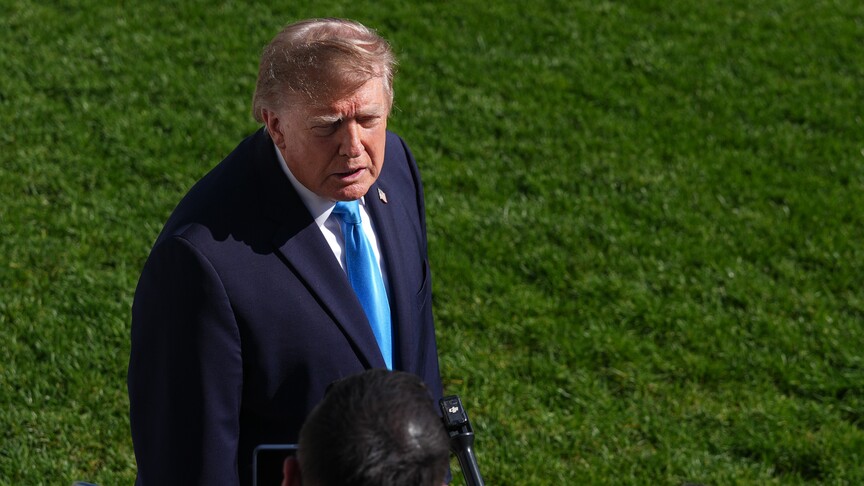
US President Donald Trump made a striking declaration on Wednesday, emphasizing that the United States is not currently engaged in negotiations with Iran. With a sense of urgency, he hinted that a significant development regarding the Iran situation is imminent, stating, “something one way or the other will happen fairly soon.”
Trump’s Direct Approach
In a conversation with reporters after a rally in South Carolina, Trump firmly stated, “No, I think we’re not negotiating.” This reflects his administration’s stance on Iran, indicating an unwillingness to engage in discussions at this time. He elaborated that the most anticipated changes might occur after the upcoming election, highlighting the unpredictability surrounding future US-Iran relations.
During his speech at the rally, Trump noted his belief that the US could swiftly end its conflicts with Iran. However, he expressed a desire for a resolution that would be sustainable in the long term, stating, “It’ll end very soon. We could leave now, but we want to make sure it lasts for a long time.” This assertion underscores his administration’s commitment to ensuring that any withdrawal is not just a temporary fix.
Claims of Military Success
Trump went on to declare that the US has significantly weakened Iran both militarily and financially, insisting that Tehran would “never have a nuclear weapon.” His statements echo a broader strategic narrative that has characterized the Trump administration’s approach to foreign policy, particularly regarding Iran’s nuclear ambitions.
This context becomes more pressing considering recent reports from The New York Times which shed light on potential military strategies being developed by the US and Israel. According to sources close to the discussions, plans for renewed strikes on Iran are being formulated to take place after the midterm elections. However, uncertainties loom over whether Trump will ultimately authorize such military actions, especially as he has shown resistance to major combat initiatives throughout this year.
Geopolitical Implications and Ongoing Tensions
The escalating tensions in the region have serious implications for global stability, particularly as the US and Israel have previously launched a war against Iran on February 28. This military engagement elicited retaliation from Tehran, including missile and drone strikes that resulted in the closure of the Strait of Hormuz—an essential artery for global oil supplies.
The relationship between the US and Iran has seen further complications with agreements like the memorandum of understanding signed in June, brokered by Pakistan and Qatar, which has faltered due to ongoing disputes. These disagreements encompass significant issues, including navigation rights in the vital strait, painting a complex picture of diplomatic relations and military readiness.
In conclusion, the statement from President Trump not only reflects the current stance of the US on Iran but also indicates potential future actions that could reshape the geopolitical landscape. As the administration navigates these tumultuous waters, the world watches closely, anticipating both the outcomes of the upcoming elections and the repercussions of US foreign policy in the Middle East.