
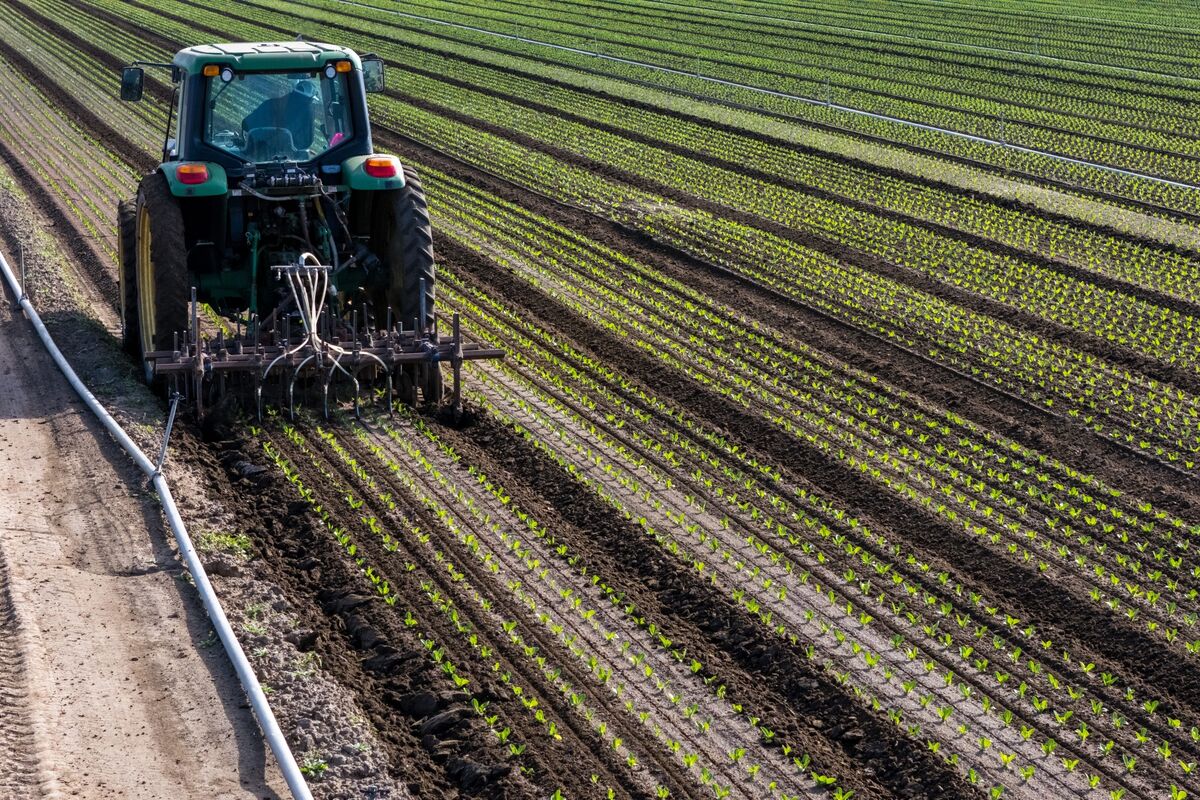
On Tuesday, President Donald Trump emphasized that money from any unfrozen Iranian assets would partially be allocated for grain shipments, which could create new opportunities for American farmers. This announcement could signal a significant shift in market dynamics and agricultural exports.
The Potential Impact on American Farmers
The announcement has raised hopes among American farmers, who are eager for new markets to sustain and grow their businesses. With the agriculture sector facing various challenges, including fluctuating commodity prices and international competition, having the chance to access Iranian markets could be a game-changer. Farmers are always on the lookout for ways to diversify their export destinations, and Iran’s large population presents a substantial opportunity for U.S. grain exports.
Understanding the Iranian Market
Iran’s agricultural landscape has its own complexities. The country has a significant demand for various grains, and its importation of foodstuffs often increases during times of domestic shortfalls. By engaging in trade with Iran, American farmers could capitalize on this demand, tapping into a market that has historically relied on imports. However, it is crucial for farmers to stay informed about the regulatory and logistical challenges that may accompany trading in this region.
Geopolitical Considerations
The geopolitical aspects of trade with Iran cannot be ignored. U.S.-Iran relations have often been strained, influencing trade dynamics. Nonetheless, if the current policies regarding Iranian assets change positively, this could lead to smoother trade channels. It will be essential for stakeholders, including government officials and farmers, to navigate these complex waters carefully, ensuring that they comply with all regulations while maximizing their economic benefits.
The Future of Agricultural Trade
As the global market continues to evolve, American farmers must adapt to new opportunities while considering international relations. The possibility of tapping into Iranian markets through unfrozen assets could encourage farmers to innovate and expand. This shift could lead to more robust agricultural exports, ultimately benefiting the entire farming sector. Engaging in trade with Iran represents a bold step for American agriculture, which could enhance the industry’s resilience in an increasingly competitive global economy.
In conclusion, the statement by President Trump presents a potential avenue for American farmers looking for new markets. By leveraging opportunities in Iran through the use of unfrozen assets, the agriculture sector may experience a much-needed boost. As farmers prepare to navigate this uncharted territory, staying informed about market demands and geopolitical landscapes will be essential for successful trade endeavors.