
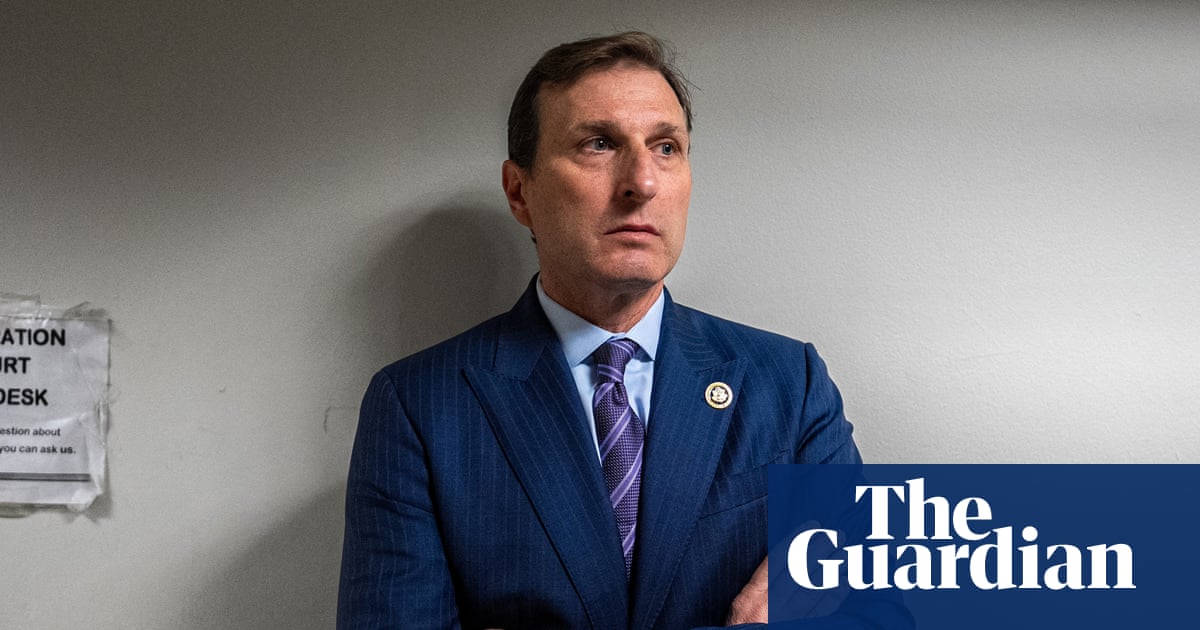
In a recent controversy, Democratic Congressman Dan Goldman expressed disappointment that a Brooklyn coffee shop, Poetica Coffee, chose to ban him due to his pro-Israel stance. This incident has sparked an investigation by the U.S. Department of Justice, led by the Trump administration’s assistant attorney general.
The Incident at Poetica Coffee
Goldman, who represents New York’s 10th congressional district, criticized the establishment’s actions, labeling the situation as “sad.” The coffee shop made headlines when it posted on social media that it would not serve him, citing his controversial views on Israel. This post went viral before being deleted, yet it prompted a swift response from Harmeet Dhillon, the assistant attorney general in charge of the civil rights division. She announced on social media that Poetica Coffee was under investigation for allegedly violating federal laws against discrimination.
Following the initial uproar, Goldman shared his thoughts with CNN, stating he wished the Justice Department would focus its resources on combating antisemitism that affects individuals without the platform or protection he has as a public figure. “I can handle the criticism,” he remarked, emphasizing that he does not seek antisemitism but acknowledges the scrutiny that comes with his position.
The Cafe’s Stance
The controversy escalated as Poetica Coffee released a statement condemning Goldman’s visit. The since-deleted Instagram post sarcastically questioned whether he could distinguish between their coffee and “genocide juice,” further expressing regret that they had not recognized him sooner to refuse service. In an unexpected twist, the coffee shop refunded him for the coffee drink he purchased during his visit, adding, “we don’t need your money.”
Goldman’s criticism of Poetica Coffee’s actions coincides with a Democratic primary race against former New York City comptroller Brad Lander, who has been outspoken against Israel’s military actions in Gaza. The coffee shop even used the post to suggest that Goldman will face a loss in the upcoming election, which only added fuel to the fire.
Legal Implications and Public Response
Harmeet Dhillon later emphasized the legal ramifications of Poetica Coffee’s actions, stating that U.S. law forbids public accommodations from discriminating against customers based on race, religion, or national origin. She indicated that if warranted, there would be an enforcement action against the coffee shop. This statement has generated a wave of public dialogue about the importance of civil rights in places of business.
Meanwhile, Poetica Coffee portrays itself as a welcoming space committed to treating all patrons with dignity and respect. Their website touts an ethos of hospitality that honors its visitors, claiming that the establishment is not merely a transactional venue but a sanctuary where everyone is treated with kindness. In an era where political divisions seem to deepen, this incident highlights the intersection of personal beliefs, commerce, and the societal obligation to respect diversity.
In summary, the situation at Poetica Coffee serves as a significant case study of how political views can influence public sentiment and business practices. As investigations continue, both Congressman Goldman and the coffee shop remain at the center of a national conversation about free speech, discrimination, and the importance of civil rights for all individuals.