
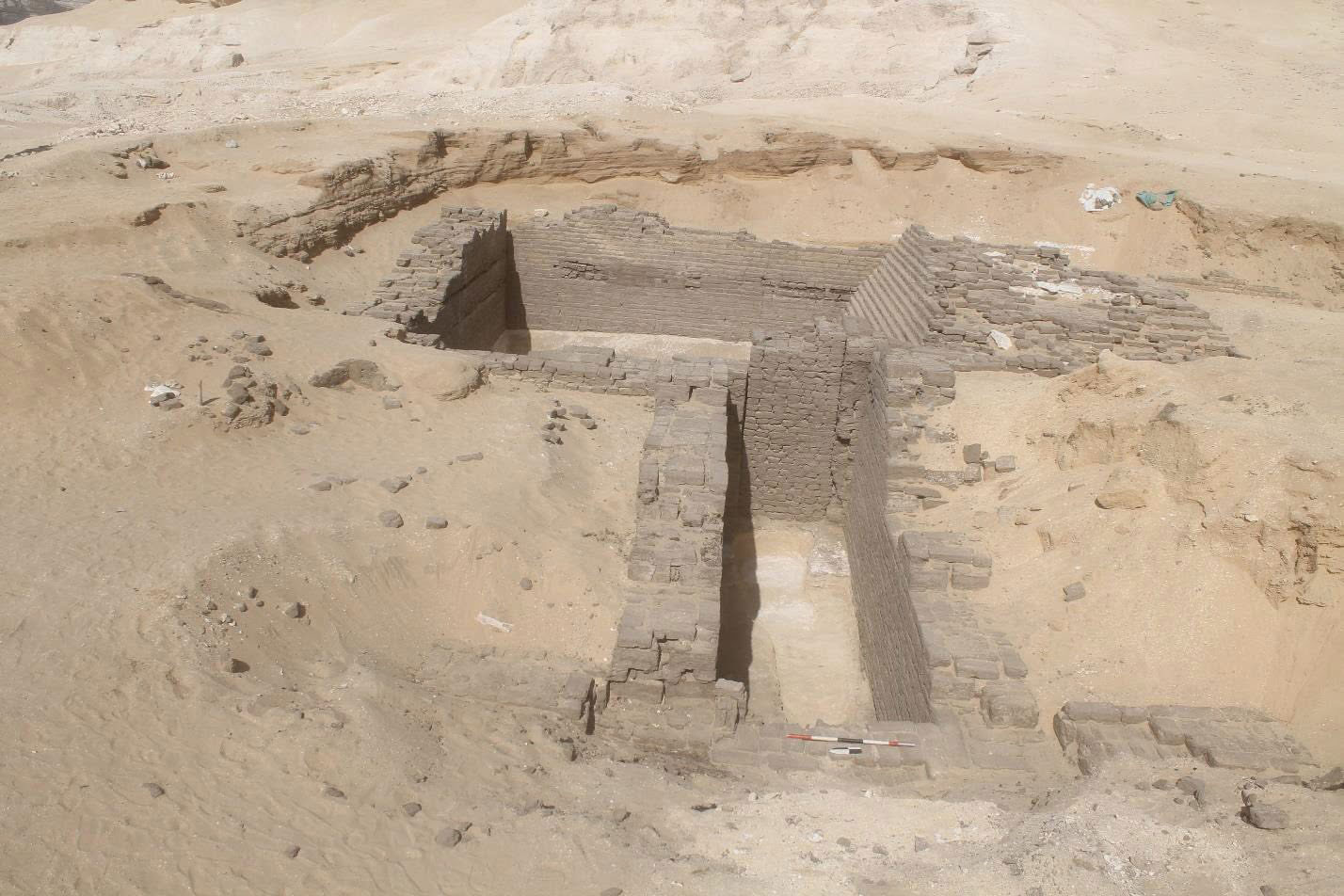
In a significant archaeological discovery, two tombs from Egypt’s Early Dynastic period have been uncovered in the Minya Governorate. This finding sheds light on the ancient civilization and its burial practices, contributing valuable knowledge to our understanding of early Egyptian history.
Importance of the Early Dynastic Period
The Early Dynastic period, which spanned from around 3150 to 2613 BCE, marks a crucial era in Egyptian history. It represents the transition from prehistoric societies to a unified state under the rule of kings. The evidence gathered from this period reflects the social structures, religious beliefs, and customs of the time. Discoveries such as these tombs provide historians with artifacts and architecture that illuminate how ancient Egyptians viewed death and the afterlife, demonstrating their complex belief systems and social hierarchies.
Details of the Discovery
Excavations at Gabal El-Teir led to the revelation of these two tombs, which exhibit the distinctive features of the Early Dynastic period. The tombs are characterized by their design, which included stone structures and walls adorned with intricate carvings. Archaeologists have noted the presence of offerings meant for the deceased, which often include pottery, tools, and, in some cases, jewelry. The artifacts unearthed provide significant insights into daily life and cultural practices of that time.
Additionally, preliminary analysis of the skeletal remains found within these tombs can yield fascinating data regarding the health and demographics of the population. For instance, studying the wear on bones can reveal information about lifestyle, diet, and even the social status of individuals. These details allow archaeologists to piece together a more comprehensive picture of ancient Egyptian life.
Cultural Significance of the Tombs
The cultural implications of the tombs’ findings are profound. Burial practices in ancient Egypt reveal much about the society’s values and beliefs, particularly regarding the afterlife. The careful placement of offerings and the elaborate nature of tomb construction suggest a deep reverence for the deceased. This aligns with the broader cultural framework that emphasized the importance of the afterlife, as evidenced by later monumental burial sites such as the pyramids.
Moreover, the public interest in such discoveries typically sparks a renewed fascination with ancient history. Each artifact found within these tombs retells tales of the past and enhances our understanding of an era that laid the groundwork for one of the world’s most remarkable civilizations.
The Ongoing Impact of Archaeological Discoveries
The unearthing of these tombs is not merely an academic achievement; it has ramifications for tourism and the cultural heritage of Egypt. As new sites are discovered, they attract visitors worldwide, drawn to the rich tapestry of history that Egypt offers. This boosts the local economy and encourages investment in preservation efforts.
Ongoing archaeological projects in regions like Minya provide fresh data that can reshape our understanding of ancient Egyptian society. Each find has the potential not only to influence academic discourse but also to inspire future generations to appreciate and protect their cultural heritage. As excavations continue, the contributions to Egyptology promise to deepen our connections to a civilization that has long fascinated humankind.
In summary, the discovery of these tombs in Minya is a pivotal moment for scholars and history enthusiasts alike, as it opens a window into the enigmatic world of ancient Egypt. The unraveling of its complexities holds the promise of new insights that can redefine our understanding of this extraordinary civilization.