
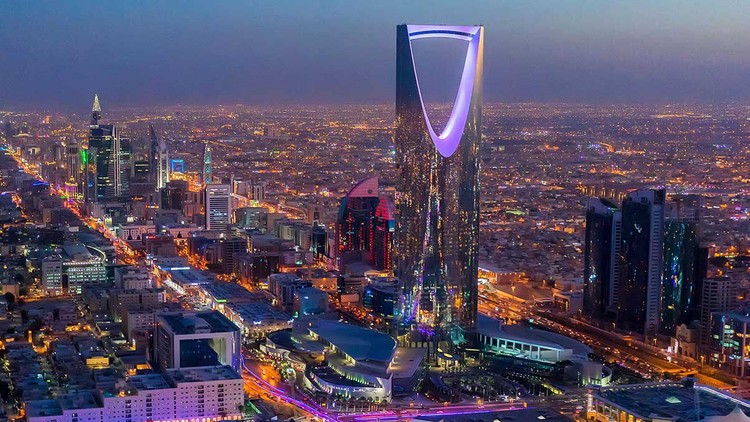
The geopolitical dynamics between Saudi Arabia, the U.S., and China are evolving rapidly, especially following the recent tensions in the Middle East. As Saudi Arabia navigates its role as a leading oil producer, it finds itself balancing its relationship between the two superpowers—Washington and Beijing. This realignment is becoming increasingly evident in light of recent developments, particularly post-Operation Epic Fury against Iran.
The Shift in Alliances: Understanding Recent Developments
Historically, the relationship between Saudi Arabia and the U.S. has been anchored by a groundbreaking agreement formed in 1945. This pact ensured that the U.S. would receive unlimited oil supplies while providing security to the Saudi monarchy. However, the 2014-2016 Oil Price War significantly strained this relationship. This conflict revealed vulnerabilities within OPEC and shifted oil market dynamics, making the U.S. shale sector a formidable force. This change allowed the U.S. to weather low oil prices far better than Saudi Arabia and its OPEC counterparts.
When this war concluded, Saudi Arabia’s financial strain compelled it to engage Russia as a partner in the broader OPEC+ framework. This move not only helped restore credibility to the organization but also opened doors for China to enhance its influence in the region. By capitalizing on the new atmosphere of cooperation, China has been able to broker various agreements with Saudi Arabia, particularly following the rise of Mohammed bin Salman (MbS).
The 2016 IPO Proposal: A Turning Point
MbS’s ambitious proposal for an initial public offering (IPO) of Saudi Aramco in 2016 marked a pivotal moment in the Kingdom’s economic strategy. The IPO aimed to raise at least $100 billion, which could help mitigate the financial strain caused by the previous oil wars. This venture not only sought to restore Saudi Arabia’s international reputation but also aimed to position it as a player in global financial markets beyond oil.
Despite promising intentions, the IPO faced skepticism from international investors regarding Aramco’s valuation, corporate governance, and security. Just as momentum appeared to stall, China expressed interest in purchasing the entire 5% stake planned for the IPO. Though this offer was ultimately declined, it indicated China’s burgeoning interest in, and willingness to invest in, Saudi Arabia’s energy sector.
Strengthened Ties with China: The Road Ahead
The trajectory of Sino-Saudi relations took a significant turn after King Salman’s visit to China in March 2017, during which $65 billion in business agreements were solidified. These agreements spanned numerous sectors, including petrochemicals and light manufacturing, and highlighted Saudi Arabia’s intent to diversify its economic partnerships. As the two nations established a joint investment fund worth $20 billion, Saudi Arabia also began considering transactions in Chinese currency, representing a strategic move away from the U.S. dollar and an integral part of China’s broader plan to reduce American economic dominance.
In 2022, as Saudi Arabia intensified its commitment to China as a reliable energy partner, it became clear that the Kingdom views Washington not as the sole protector but rather as one of several partners in its security and economic interests. Following a series of Iranian attacks on critical Saudi infrastructures, this perspective has solidified. The recent regional insecurity has raised doubts about whether the U.S. can adequately safeguard Saudi Arabia’s national interests.
In conclusion, the interplay of Saudi Arabia, China, and the U.S. exemplifies the intricate nature of modern geopolitical alliances. As the Kingdom reassesses its relationships, particularly following new threats, it appears poised to embrace a more diversified diplomatic strategy. This evolution underlines a critical moment in global energy politics and reshapes the landscape of international relations, marking a noteworthy shift in global power dynamics.