
U.S. Secretary of State Marco Rubio has embarked on a significant tour of the Persian Gulf, commencing in Abu Dhabi with a closed-door meeting and private lunch with Emirati President Mohamed bin Zayed Al Nahyan. This visit, as reported by the State Department on Wednesday, sets the stage for discussions about regional stability and nuclear agreements.
Rubio’s Tour and Regional Engagement
Following his meeting in the United Arab Emirates, Rubio is slated to proceed to Kuwait and then Bahrain, where he will engage with leaders from each country. This diplomatic mission signals the U.S. commitment to working closely with Gulf nations amidst ongoing geopolitical tensions. The primary agenda is likely to revolve around Iran’s nuclear capabilities and the implications of recent agreements related to uranium enrichment.
The Importance of IAEA Oversight
Director General Rafael Grossi of the International Atomic Energy Agency (IAEA) recently emphasized the significance of a Memorandum of Understanding signed by Iran and the IAEA. During a press conference held at the Fukushima Daiichi nuclear power plant, Grossi explained that this agreement clearly stipulates that any nuclear activities pertaining to Iran’s nuclear material facilities must be overseen by the IAEA. He noted that timely inspections are crucial, although the precise timing of these checks is flexible.
The IAEA’s inspections are vital in ensuring Iran’s compliance with containing and moderating its uranium stockpile, specifically regarding the downblending of highly enriched uranium. These measures are intended to bolster nonproliferation efforts and maintain stability in the region. Grossi reassured the audience that inspections would take place, regardless of when they occur, and that monitoring Iran’s nuclear activities remains a priority.
Iran’s Stance and Ongoing Tensions
Despite these discussions, there has been no immediate reaction from Iran regarding the latest developments. Recently, Iranian Foreign Ministry spokesperson Esmail Baghaei stated that there were no plans for U.N. inspectors to visit sites bombed by the U.S. last year, contradicting previous comments made by U.S. Vice President JD Vance. This exchange highlights the delicate nature of negotiations and the mutual distrust between the two nations.
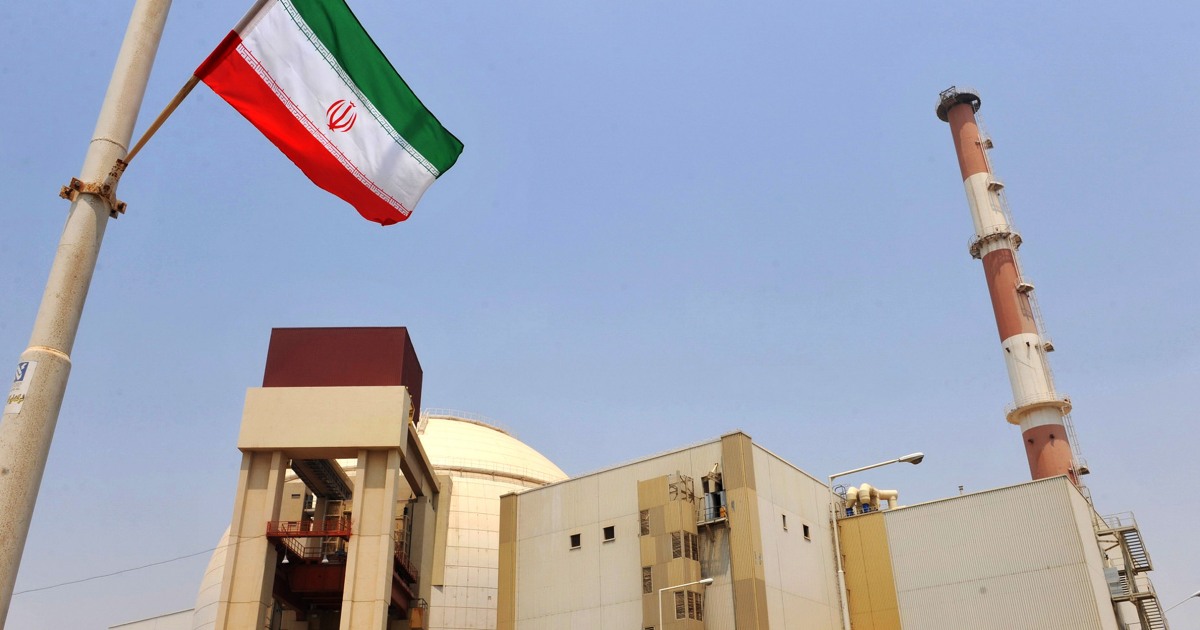
Since the 12-day conflict in 2025, the IAEA has been granted access to some Iranian nuclear sites, such as the Bushehr nuclear power plant. However, the agency has yet to receive access to the enrichment sites, limiting its ability to verify Iran’s uranium stockpile status. Both Iran and the IAEA maintain that enrichment activities have ceased; nonetheless, nonproliferation experts express concerns that Iran may be relocating its materials to undeclared locations.
Recent Agreements and Escalating Conflicts
Last week, the U.S. and Iran came to a temporary agreement that permits Tehran to dilute its enriched uranium stockpile while simultaneously waiving certain U.S.-backed sanctions. This deal provides both sides with a 60-day period to negotiate further agreements. However, this fragile ceasefire has already been challenged by Iran’s closure of the Strait of Hormuz amid renewed hostilities involving Israel and the Iran-aligned militia Hezbollah in Lebanon.
The violence grew again in Lebanon on Tuesday, yet it has not escalated dramatically. This complex interplay of diplomacy and conflict underscores the ongoing volatility in the region, making the discussions taking place during Rubio’s tour crucial for future stability and international negotiations surrounding Iran’s nuclear program.
In summary, the focus on ramping up IAEA inspections and ensuring compliance with nuclear agreements underlines the importance of maintaining oversight as tensions persist in the region. The outcomes of Rubio’s diplomatic efforts may greatly influence the course of U.S.-Middle East relations.