
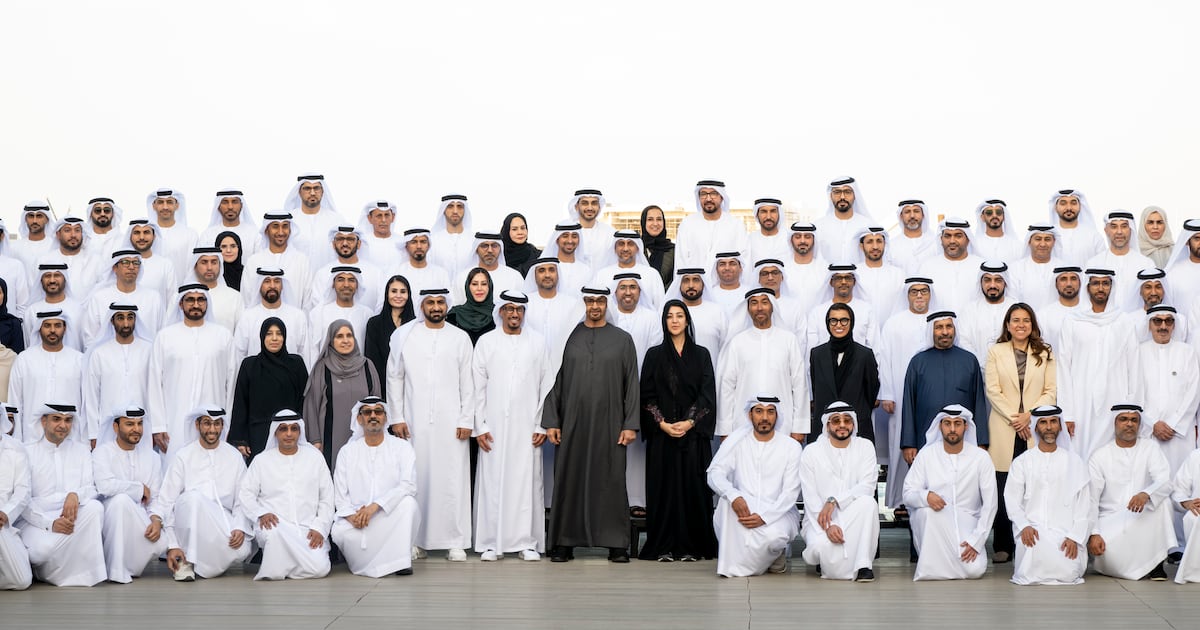
As we observe the International Day of Women in Diplomacy, it is essential to recognize not just the vital roles women undertake in the diplomatic arena but also the strength they manifest within the institutions they represent. The contributions of female diplomats are emblematic of robust governance and commitment to national interests.
The Realities of Diplomatic Challenges
True diplomatic acumen is best revealed in times of crisis rather than through scripted negotiations or high-profile summits. During moments of heightened tension and crisis, swift decision-making becomes crucial, requiring governments to safeguard national interests while ensuring international partnerships remain intact. The UAE’s recent conflicts, particularly a major missile alert, starkly illustrated these challenges, showing how vital women’s contributions to diplomacy can be, particularly in shaping effective responses.
The Role of Emirati Women in Crisis
In the midst of one of the UAE’s most turbulent periods, female diplomats were not passive observers; they actively influenced the course of events. During the unsettling missile alert triggered by attacks from Iran, women in diplomatic roles were integral to the national response. Working collaboratively across various government sectors, they helped coordinate crisis management efforts, displaying not just competence but exceptional leadership.
As part of the National Joint Media Cell, I witnessed firsthand how these women worked tirelessly to ensure effective communication and national preparedness. Throughout the conflict, their efforts contributed to a sophisticated, coherent government response characterized by agility and collaborative decision-making. The swift and organized mobilization of resources reflected the competence woven into the fabric of UAE governance.
Empowerment Through Strategic Vision
The significance of the contributions made by Emirati women, particularly during this tumultuous period, extends beyond individual efforts; they are the product of a long-term vision focused on talent development and institutional capability. Under the guidance of influential leaders like Sheikh Abdullah bin Zayed, female diplomats not only represented the UAE’s interests effectively but also navigated a rapidly shifting geopolitical landscape with skill.
This mainstreaming of women in leadership roles is not a remarkable occurrence, but rather a natural manifestation of dedicated investment by UAE leadership in social and institutional frameworks designed to empower women. From the Foreign Affairs Ministry to security and innovation sectors, women in the UAE now hold pivotal positions, illustrating a national strategy that recognizes the empowerment of women as integral to achieving broader development goals.
Conclusion: A Resilient Future Ahead
Today, nearly half of the workforce in the Ministry of Foreign Affairs comprises women, reflecting a healthy pipeline of diplomatic talent supported by institutions like the Anwar Gargash Diplomatic Academy, where female graduates outnumber their male counterparts. The recent crisis has reinforced a message that has long been recognized within the UAE: institutions flourish when they harness the full potential of their people. The women who contributed to the country’s robust response symbolize this principle and are vital players in the ongoing journey towards stability and resilience.
In sum, the accomplishments of Emirati women in diplomacy during crises showcase a deeper national commitment to inclusivity and excellence. Their work stands as a testament to the investment in human capital, revealing the UAE’s readiness to face future challenges with unwavering confidence and strategic clarity.