
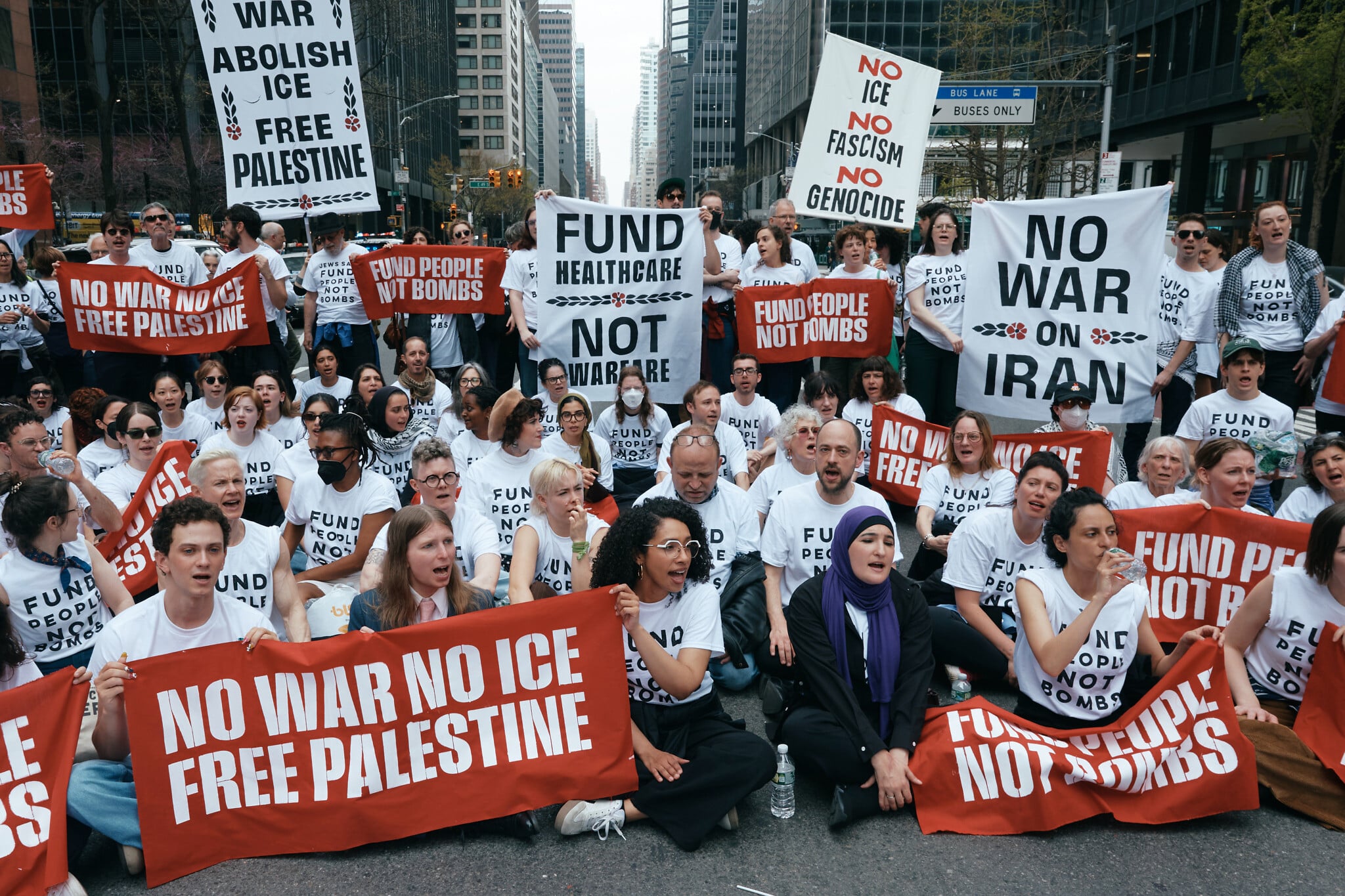
A recent Quinnipiac University survey reveals a significant shift in American voters’ perspectives on U.S. support for Israel, indicating that nearly half believe the country is “too supportive.” This finding marks the highest discontent recorded since the poll’s inception in 2017. Additionally, the survey highlights a strong opposition to military intervention in Iran, with 60% of respondents deeming it “not worth it.”
Divided Opinions on U.S. Support for Israel
According to the survey data, 48% of American voters think the United States is overly supportive of Israel. Only 38% believe the level of support is appropriate, while a mere 7% feel the U.S. is not supportive enough. The opinions differ sharply among political affiliations. A notable 66% of Democrats consider U.S. backing for Israel excessive, compared to 20% of Republicans who share this sentiment. Conversely, a staggering 69% of Republicans think the support is just right, while Democrats are more inclined to question it. This political divide reflects a broader re-evaluation of U.S. foreign policy, particularly among younger voters and those identifying as independent.
Views on Military Intervention in Iran
The hesitation surrounding U.S. military involvement in Iran is evident as 60% of those surveyed reject the notion that such intervention is justified. While only 34% affirm its necessity, the divide across party lines is significant: 93% of Democrats oppose military action, contrasting sharply with the 75% of Republicans who believe it is warranted. The stark difference in opinions unveils a deeper narrative about how partisanship influences attitudes toward foreign relations and military strategies.
Changing Political Landscape in 2024
Amid these evolving sentiments, other political developments signal a shift. Three Democratic candidates known for their critical views on Israel recently triumphed in House primary races in New York City. This outcome, alongside other races where pro-Israel candidates have begun distancing themselves from traditional endorsements from groups like AIPAC, suggests a palpable shift in the Democratic Party’s stance on foreign policy. Polls from previous years corroborate this trend, indicating a gradual decline in support for Israel among both Democrats and Republicans.
Prioritizing Issues for the Upcoming Election
The survey also highlighted voter priorities heading into the 2024 elections. When asked to rank issues important in their decision-making, 41% of respondents cited the Israeli-Palestinian conflict as a top concern—surpassing even pressing issues like AI data centers and the political landscape surrounding Donald Trump. Nevertheless, fiscal concerns related to the cost of living (70%) and healthcare (59%) took precedence, showcasing where voters’ primary concerns currently lie.
The Quinnipiac poll was conducted between June 18 and June 22 and encompasses responses from 1,165 registered voters. The survey has a margin of error of 3.4 percentage points, emphasizing the necessity for understanding the nuanced opinions of American citizens regarding significant foreign policy issues.
Overall, these results signal a shifting attitude toward U.S. foreign policy among the electorate. As the political landscape continues to evolve, the implications of these trends will likely resonate through the upcoming election cycle, shaping discussions around diplomacy, military strategy, and America’s role on the global stage.