
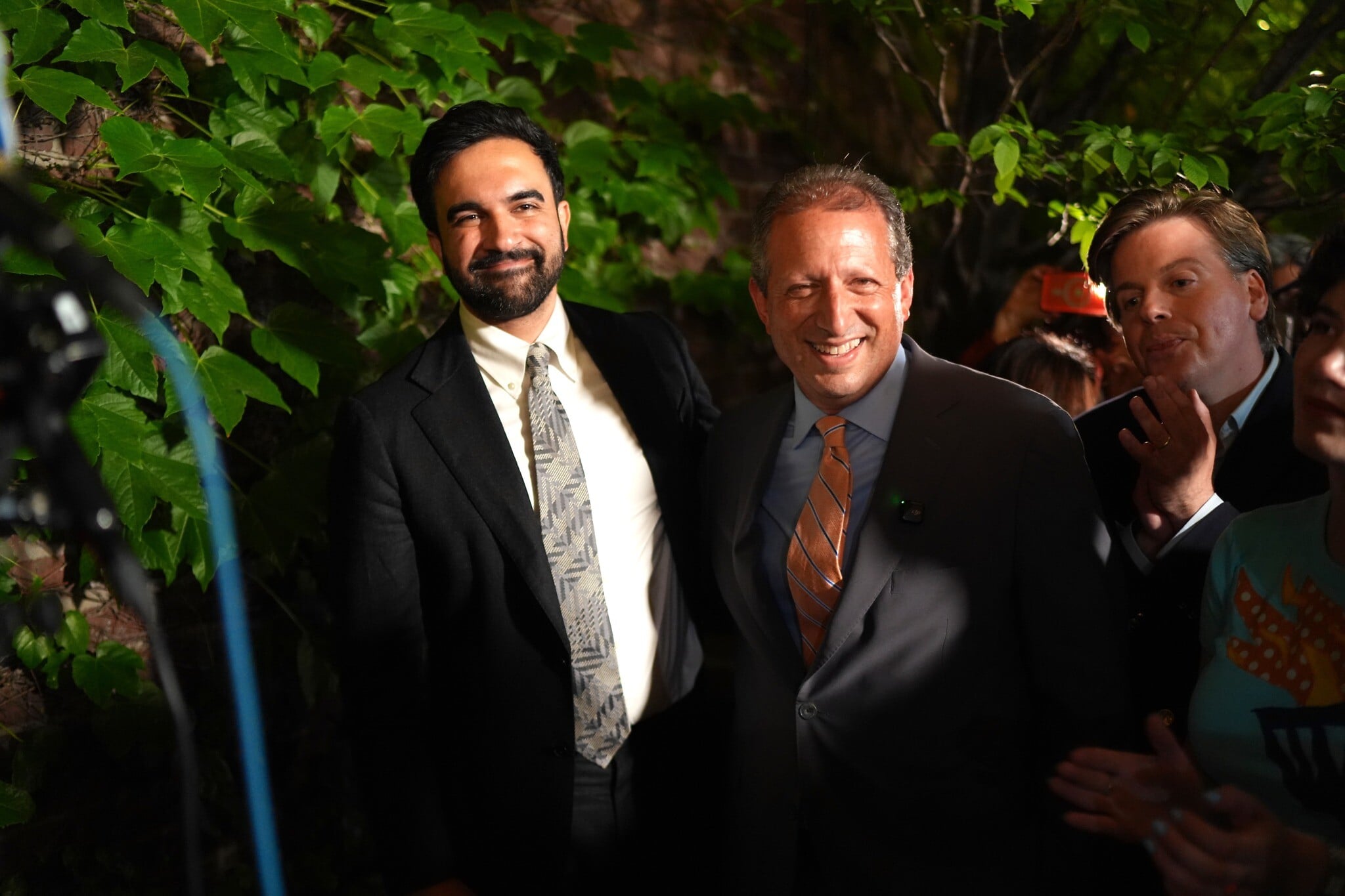
The recent New York Democratic primaries illuminated a significant shift within the party, particularly regarding its relationship with Israel. Candidates supported by progressive forces, including anti-Zionist Mayor Zohran Mamdani, triumphed, raising questions about the future dynamics of Jewish political influence in the region. Notably, Jewish contenders like Brad Lander emerged victorious, marking a potential turning point for left-wing Jewish representation. This electoral landscape not only highlights the aspirations of the party’s left but also introduces complexities for traditional pro-Israel factions grappling with a changing voter base.
Is Jewish Political Influence Transforming?
The results of the primaries sparked immediate reactions from established Jewish leaders, who scrutinized the implications of voters shifting toward less pro-Israel stances. Halie Soifer, CEO of the Jewish Democratic Council of America, expressed concern about the success of Mamdani-backed candidates, suggesting that while they may thrive in specific areas of New York City, such support is unlikely to extend nationally. She acknowledged the internal tensions among Jewish voters regarding Israel’s role in Democratic politics, reflecting on conflicting views that could shape future collaborations.
Moreover, Rabbi Jonah Pesner from the Reform Judaism’s Religious Action Center voiced alarm over public figures who vilify those supporting Israel, emphasizing the need for cross-ideological collaboration that respects both Jewish safety and Palestinian dignity. The contrasting viewpoints among Jewish leaders indicate a potential fracture within the community, particularly as pro-Israel politicians begin to lose ground against their progressive counterparts.
Mamdani’s Dominance
Zohran Mamdani’s influence was unmistakable during the primaries, as his candidates secured victories based on shared criticisms of Israel. The success of Claire Valdez and Darializa Avila Chevalier further entrenched Mamdani’s reputation as a significant figure among progressive Democrats. Valdez celebrated her win with calls for Palestinian liberation, echoing the sentiments of her supporters who cheered for free Palestine during her victory speech. These victories suggest a burgeoning power shift that could reshape the narrative around Israel within the party.
Mamdani’s rhetoric, particularly his controversial comments comparing pro-Israel advocates to “monsters,” drew backlash but seemingly failed to deter his candidates’ success. This raises questions about the future of political discourse surrounding Israel, as younger, progressive leaders embrace more vocally anti-Zionist positions, altering the landscape for traditional pro-Israel advocacy.
The Future for Pro-Israel Jews
While candidates like Lander advocate for a more critical approach to Israel, the election results signal a precarious position for pro-Israel voices within the Democratic Party. Micah Lasher, who won his race in New York’s 12th District, exemplifies the challenges facing pro-Israel advocates in this evolving environment. Echoing sentiments shared by Lander, Lasher aims to bridge understanding between liberal pro-Israel positions and a more progressive base.
Meanwhile, Cait Conley’s success in the suburbs as a pro-Israel candidate provides a glimmer of hope for traditional supporters, suggesting that there is still room for representatives who align closely with pro-Israel views. The upcoming elections will test whether Democrats can maintain their appeal to pro-Israel voters amid growing divisions within the party.
Strains Within Progressive Alliances
Despite the broader success of candidates aligned with Mamdani’s progressive agenda, cracks in these alliances are beginning to show. High-profile endorsements, such as Bernie Sanders backing Lander and Valdez but not Chevalier, illustrate the nuanced dynamics at play among progressives. Additionally, criticism directed towards pro-Israel figures from within the party, including calls for civility, may signify an internal rift that could further complicate the relationship between pro-Israel advocates and the left-leaning segment of the party.
As Jewish voters navigate this shifting political terrain, the upcoming months will be critical in determining whether a unifying framework can emerge, or if the differences will result in a fragmented approach to issues surrounding Israel and its advocacy. With the Democratic Party at a crossroads, the outcomes will likely redefine not only Jewish political engagement but also influence the party’s broader strategies in the face of changing voter sentiments.