
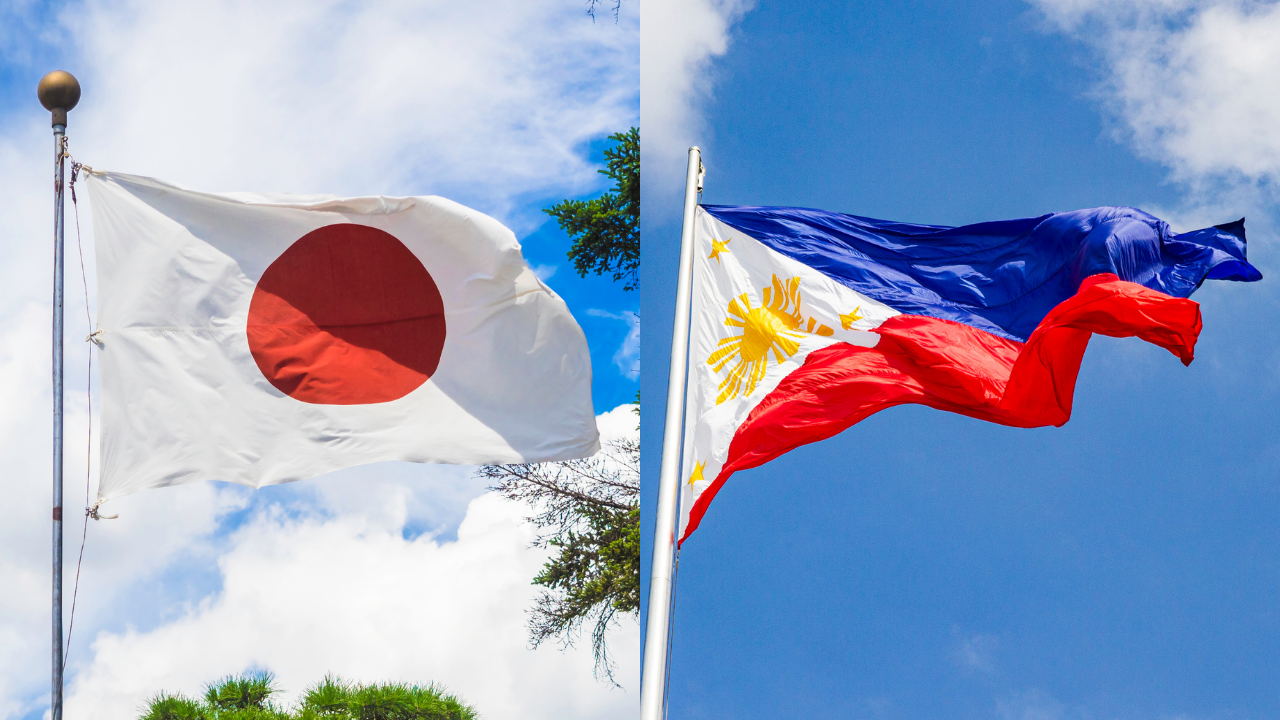
Negotiations are set to commence for the inclusion of Indonesia, the Philippines, and the United Arab Emirates (UAE) into the existing trans-Pacific free trade agreement. This expansion could significantly influence trade dynamics across the Pacific region, presenting both opportunities and challenges for the involved nations. The initiative signals a commitment among member countries to enhance economic collaboration and foster regional growth.
Understanding the Trans-Pacific Trade Agreement
The trans-Pacific free trade agreement, established to promote trade liberalization among its founding members, aims to dismantle trade barriers and facilitate smoother economic exchanges. Originally known as the Trans-Pacific Partnership (TPP), this agreement has evolved, focusing on not only tariffs but also on regulatory standards, intellectual property rights, and labor practices. The expansion of this pact to include countries like Indonesia, the Philippines, and the UAE underscores a strategic effort to strengthen economic ties and enhance competitiveness in the global market.
The Impact of Expanding Membership
The addition of Indonesia, the Philippines, and the UAE to the trans-Pacific trade agreement could have far-reaching implications. For Indonesia, integrating into this group could bolster its manufacturing and export capabilities, tapping into broader markets that demand diverse goods. The Philippines, with its strong service sector, particularly in business process outsourcing, stands to gain significantly by accessing new markets. Meanwhile, the UAE, as a commercial and logistical hub, brings a wealth of resources and strategic location, enhancing intra-regional trade flows.
Moreover, expanding the membership could stimulate economic growth within the current member countries. By creating a larger market, businesses can benefit from increased opportunities for export and investment. This could lead to job creation and innovation, fostering a more vibrant economic environment in all participating nations.
Challenges and Considerations Ahead
While the potential benefits are substantial, several challenges may arise with the expansion of the trans-Pacific trade pact. For instance, adapting to a broader set of regulatory standards may present hurdles for the newly included nations, especially for Indonesia and the Philippines, which are still developing their regulatory frameworks. Moreover, existing member countries will have to navigate the complexities of aligning their economic policies with those of the new entrants.
Additionally, stakeholder concerns regarding competition must be addressed. Industries within the member countries may face increased pressure from foreign entities, necessitating adjustments to remain competitive. There will be a need for careful negotiation to ensure that the benefits of trade liberalization are equitably distributed among all parties involved.
Future Prospects for Economic Collaboration
The upcoming discussions regarding the inclusion of Indonesia, the Philippines, and the UAE into the trans-Pacific trade agreement reflect a significant step towards broader economic cooperation and integration. By fostering closer ties, these nations can collectively enhance their economic resilience and adaptability in a rapidly changing global landscape.
As these negotiations unfold, the commitment to a collaborative approach will be crucial in navigating the complexities of international trade. A successful expansion could lead to a more favorable economic environment, propelling the member nations toward sustainable growth and development in the years to come.