
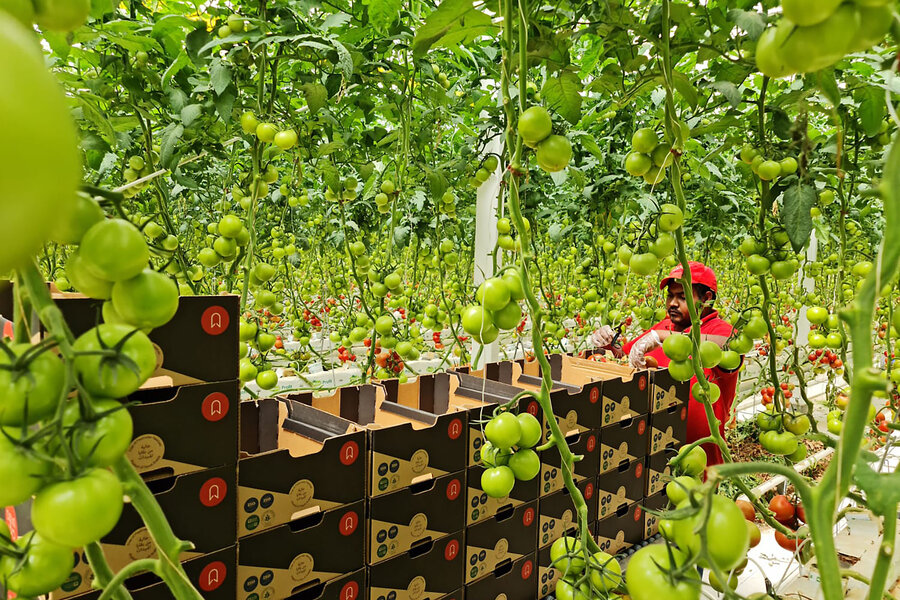
The hydroponic farming movement in Saudi Arabia is cultivating a resilient future for the kingdom, especially in the face of geopolitical challenges. By harnessing innovative agricultural techniques, Saudi farmers are transforming the way food is produced, ensuring a more sustainable and secure food supply.
The Challenge of Traditional Farming
In the blistering heat of Saudi Arabia’s summer months, where temperatures can climb to a scorching 125°F during the day and only drop to 91°F at night, traditional farming faces significant challenges. High temperatures can cause vegetables like cucumbers to become bitter, while delicate tomato flowers wither and pests wreak havoc in the fields. Given these harsh conditions, many farmers in Saudi Arabia refrain from planting during the summer, opting instead for more temperate growing seasons. However, the introduction of controlled-environment agriculture has changed the dynamics of farming in the region.
At Dava, a notable hydroponic farm located in Al Kharj, farmers are pioneering a method that allows them to cultivate tomatoes, cucumbers, and peppers without soil. Instead, they employ nutrient-rich water systems within cooled greenhouses, maximizing productivity even in the most forbidding climates. The innovation has led to impressive yields, demonstrating that agricultural sustainability is not just possible, but thriving in an arid region.
Reducing Dependency on Imports
Saudi Arabia, home to around 35 million people, has historically relied heavily on imported food, with 70% of its fruits and vegetables coming from foreign markets. This dependency peaks during the summertime when nearly all produce is sourced abroad. The country has faced logistical complications that threaten its food supply chain, especially with the recent blockades in the Strait of Hormuz. These challenges have prompted a pivot toward local food production.
Since adopting hydroponic techniques in 2022, Dava has emerged as a game-changer in Saudi Arabia’s agricultural landscape. Their glass greenhouses maintain a comfortable 80-82°F environment, allowing for a consistent output of fresh vegetables. With a significant reduction in water usage—up to 80% less compared to traditional farming—Dava is turning into a crucial asset in achieving Saudi Arabia’s food security goals. Currently, the farm produces 135 tons of vegetables daily and aims to scale that to 250 tons by 2028.
Water Efficiency and Sustainability
Water scarcity is a pressing concern in the kingdom, with Saudi Arabia being one of the most water-scarce countries worldwide. Hydroponic farming enables growers to meet their needs with incredible efficiency, using controlled systems that eliminate waste. This innovation allows farmers to deliver precise amounts of nutrients and water, ensuring optimal growth conditions without runoff. With desalination being a costly necessity—providing 60% of potable water—the reduction of water usage in agriculture becomes critical for the country’s long-term viability.
Moreover, hydroponic farms like Dava are not only addressing domestic needs but also opening up export opportunities. The kingdom has seen a significant increase in agricultural exports since implementing these advanced techniques, even sending locally grown produce to European markets for the first time. As Lehyani Ali, Dava’s operations manager, shares, this movement represents a hopeful transition from a reliance on imports to self-sufficiency.
A Growing Trend in a New Era of Agriculture
The interest and investment in hydroponics are starting to receive significant attention across Saudi media outlets, highlighting a growing awareness among local farmers about the benefits of this agricultural approach. Partnerships with foreign entities, like South Korean firms, are facilitating technology transfers and establishing hydroponic systems in more farms throughout the region. As the climate becomes increasingly harsh, these innovative solutions provide a pathway for other farmers, encouraging a broad transition to hydroponic cultivation.
Overall, with its strategic focus on hydroponic farming, Saudi Arabia is not only securing its food supply but is also establishing itself as a burgeoning agricultural player on the global stage. As efforts continue to expand this sustainable practice, it is evident that the roots of a self-sufficient future are firmly taking hold in the kingdom’s arid landscape.