
Empowering Girls Through Education: A Global Focus
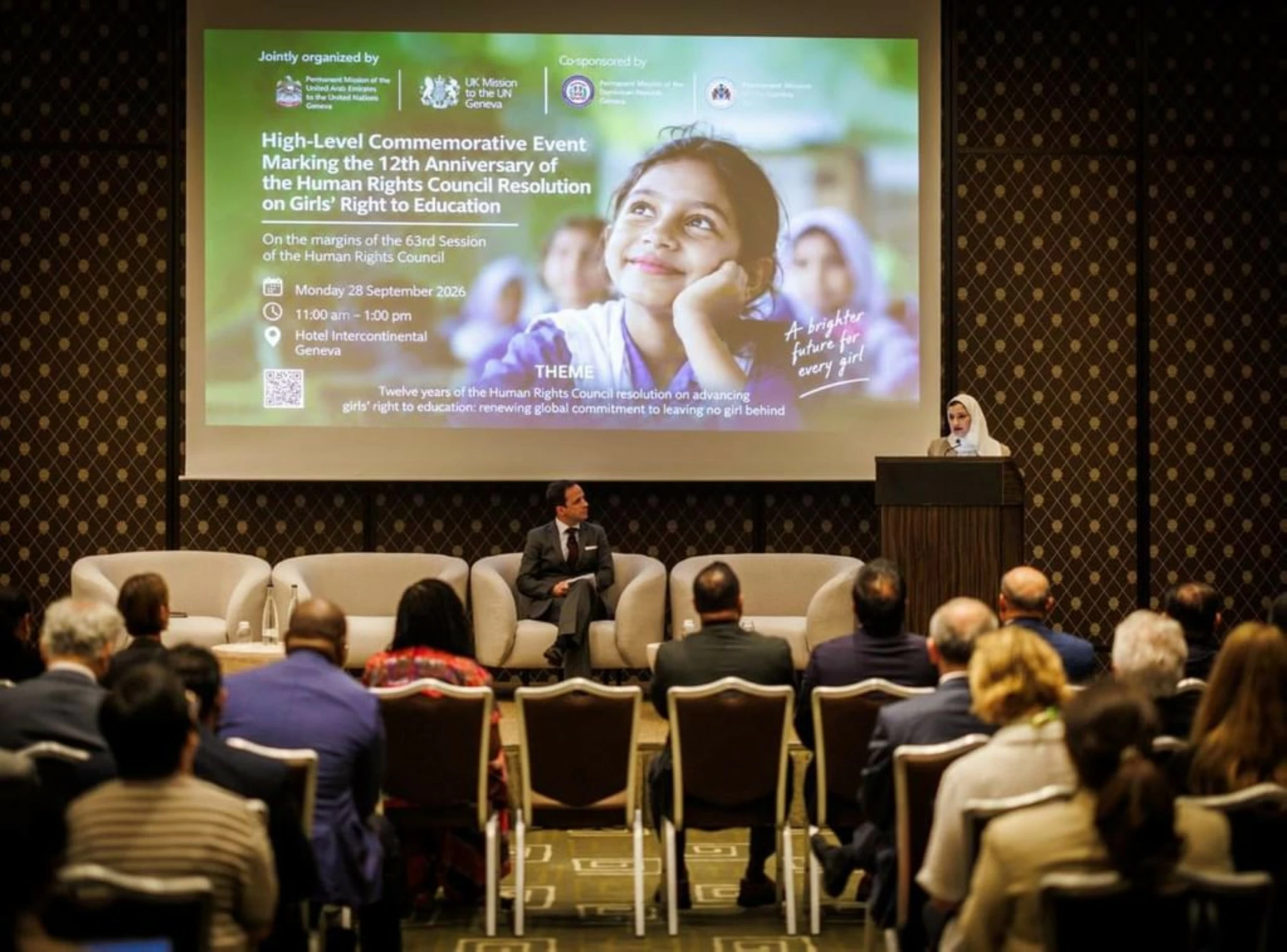
Education is a fundamental right, particularly for girls, whose access to learning opportunities remains a pressing issue worldwide. Recent engagements highlight the imperative for governments and organizations to ensure that girls are provided with equal educational opportunities. In a notable event aimed at elevating the discourse surrounding girls’ rights to education, Sarah Al Amiri, the Minister of Education, played a pivotal role in discussions aimed at propelling this critical agenda forward.
The Importance of Girls’ Education
Educating girls is not just a moral duty; it holds the key to significant social and economic benefits. Studies have shown that when girls receive an education, entire communities prosper. Educated women are more likely to participate in the workforce, contribute to their economies, and make informed decisions about their health and families. As such, the role of education in empowering girls cannot be overstated. It is essential for breaking the cycle of poverty and fostering sustainable development.
Despite its importance, countless girls around the world face barriers to education. Societal norms, economic constraints, and inadequate infrastructure often hinder their ability to attend school. In many regions, girls are still pulled out of educational settings to undertake household responsibilities or are subjected to early marriage. Targeted initiatives that address these obstacles are necessary for creating pathways to education for every girl, ensuring their rights are upheld.
Global Commitments and Local Actions
International collaborative efforts to promote girls’ education are critical. Recently held events have fostered dialogue among nations about best practices and innovative approaches to overcome the challenges. For instance, Sarah Al Amiri’s participation in high-level discussions showcases the increasing recognition of the issue at governmental levels. Such platforms provide pivotal opportunities for countries to share strategies, resources, and successes in advancing girls’ education.
Governments and NGOs are now collaborating to implement programs tailored to local contexts. For instance, scholarship schemes and flexibility in school hours can help accommodate girls who might otherwise drop out due to domestic obligations. Additionally, awareness campaigns that educate communities about the importance of girls’ education can shift mindsets and bolster support for initiatives aimed at fostering learning opportunities.
Looking Ahead: The Way Forward
Moving forward, it is crucial to leverage the momentum generated by these discussions into actionable strategies. Policymakers must prioritize funding for educational initiatives focused on girls, ensuring that resources are allocated to regions with the greatest needs. Furthermore, monitoring progress through research and data collection can illuminate successful practices and highlight areas for improvement.
In conclusion, the commitment to advancing girls’ right to education is paramount. It is not merely an aspiration but a necessity for building equitable, prosperous societies. As we strive to create an inclusive educational landscape, the voices of leaders like Sarah Al Amiri remind us that collective action and dedication can make a tangible difference in the lives of countless girls worldwide. Together, we can champion the cause of girls’ education, ensuring that every girl has the opportunity to reach her full potential.