
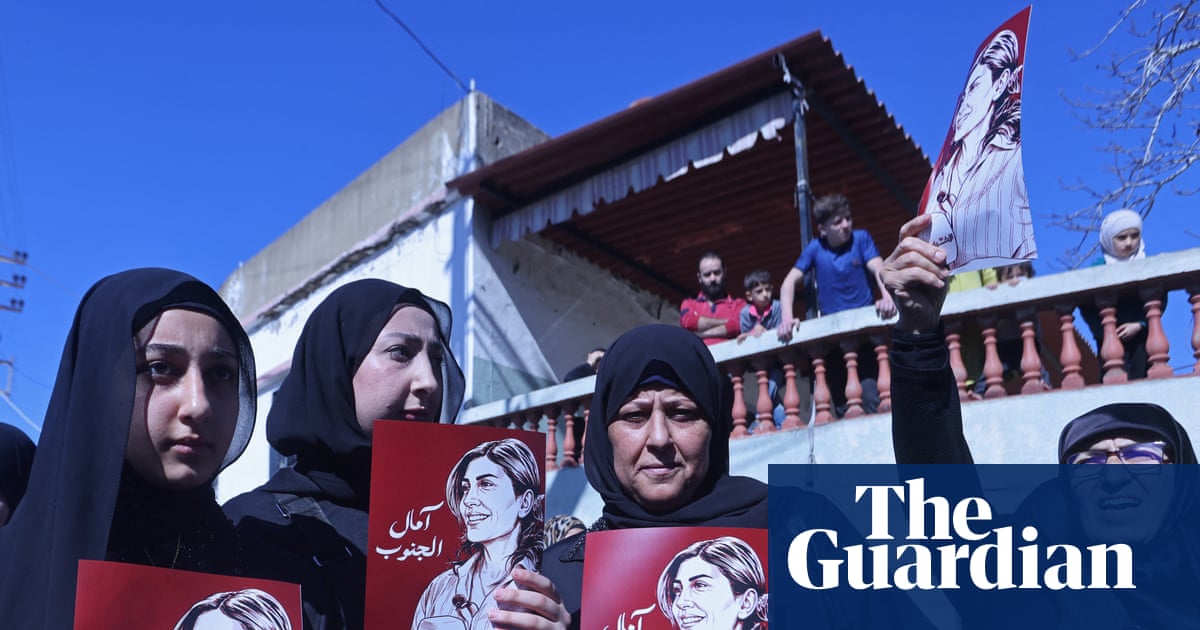
A recent agreement between Lebanon and Israel has raised serious concerns among legal experts regarding the potential hindrance it poses to victims of alleged war crimes in Lebanon. The framework, which aims to reduce hostilities between the two nations, could limit accountability and obstruct future efforts to establish jurisdiction for the International Criminal Court (ICC) within Lebanese territory.
Framework Agreement and Its Implications
On October 27, Lebanon and Israel signed a 14-point framework agreement in Washington, intended to foster peace and conclude ongoing fighting, especially between Israel and Hezbollah. A noteworthy part of this deal is Article 13, which stipulates that both countries will “cease all hostile or negative actions in international political or legal forums.” While the intention is to promote good faith between Israel and Lebanon, the ambiguities in this language raise significant concerns.
Legal analysts warn that the vague wording could prevent individuals from pursuing justice for alleged Israeli war crimes committed during the recent conflict. If victims cannot seek redress through either national or international courts, the consequences for accountability could be devastating. This includes a potential inability for Lebanon to extend jurisdiction to the ICC, a step that advocates have pushed for to allow investigations into war crimes allegedly committed by Israel.
Consequences for Accountability
Farouk al-Moghrabi, a former adviser to Lebanon’s human rights ministry, noted that the agreement could effectively eliminate any chances of granting the ICC jurisdiction, which he terms a “death knell” for internal investigations and documentation of war crimes. His sentiments are echoed by Nizar Saghieh, head of the Lebanese NGO Legal Agenda, who argues that the government appears to be normalizing crimes and waiving its rights to pursue justice for victims. He asserts that this diminishes any opportunities for investigation or prosecution of the alleged atrocities.
The implications of this agreement are significant, particularly given the ongoing conflict which saw Hezbollah launch rocket attacks on Israel in solidarity with Hamas. Since that escalation began, Israeli military actions in Lebanon have led to the deaths of over 8,000 individuals, including a considerable number of journalists and emergency responders.
Future of International Oversight
As a possible avenue for accountability, victims have previously attempted to petition the Lebanese government to grant the ICC a limited jurisdiction to investigate. However, this framework agreement poses substantial barriers to such efforts. The lack of clarity regarding what constitutes “hostile or negative actions” under the agreement creates uncertainties for ongoing international inquiries.
The Lebanese national human rights commission recently released a statement emphasizing that no agreement should impede victims’ access to justice. It stressed that pursuing those responsible for war crimes is a legitimate exercise of rights, not an act of hostility. Meanwhile, as the UN High Commissioner for Human Rights conducts a fact-finding mission in Lebanon regarding possible war crimes, the impact of this framework on their work remains uncertain.
In summary, the newly signed agreement between Lebanon and Israel is fraught with implications that could severely limit the avenues for accountability for victims of alleged war crimes. By potentially undermining future judicial remedies and international oversight, it raises critical questions about the prospects for justice and the normalization of impunity in the region.