
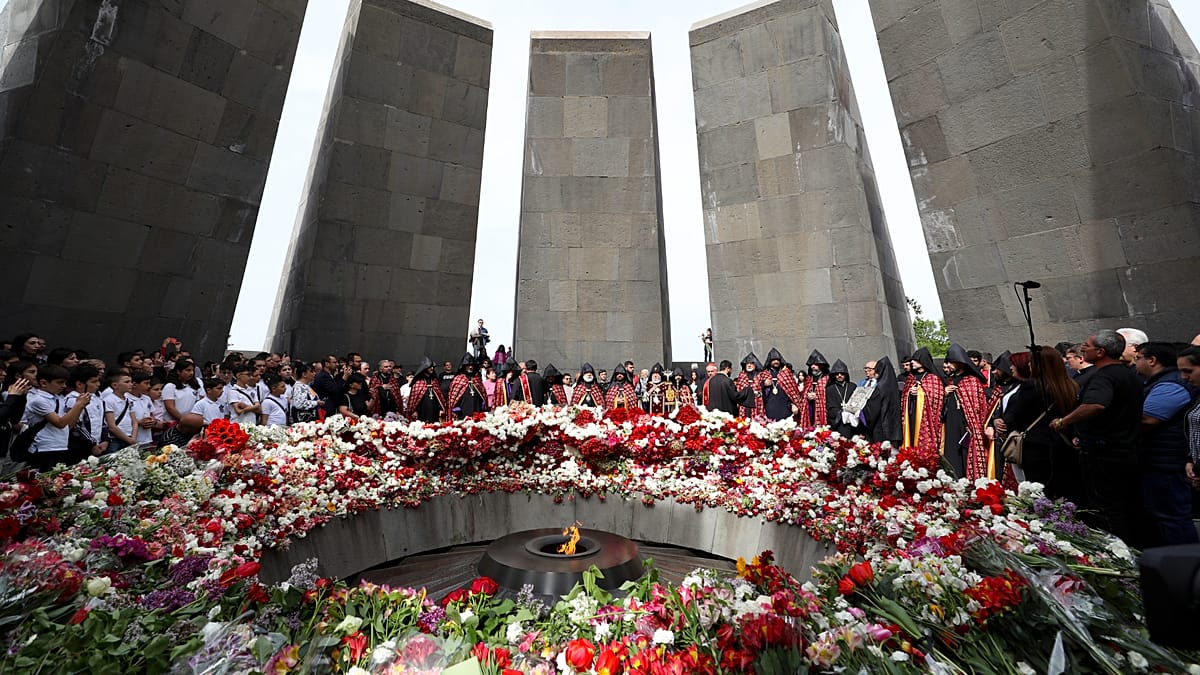
Israel has made a significant decision by officially recognizing the mass killings of Armenians during World War I as genocide. This historic resolution emphasizes Israel’s commitment to acknowledging global humanitarian issues and underscores important geopolitical dynamics in the region.
Background of the Armenian Genocide
The Armenian Genocide refers to the systematic extermination and forced deportation of Armenian Christians within the Ottoman Empire from 1915 to 1916. Historical records indicate that this tragic episode led to the deaths of an estimated 664,000 to 1.2 million Armenians, as noted by the United States Holocaust Memorial Museum. These events have left a profound impact on descendants and communities affected by the genocide, symbolizing a dark chapter in human history that continues to evoke discussions around denial and recognition.
Israel’s Recognition and Political Context
The initiative to recognize these atrocities as genocide was spearheaded by Israeli Foreign Minister Gideon Sa’ar and received unanimous support from the Israeli government. In a post on social media platform X, Sa’ar expressed gratitude to Prime Minister Benjamin Netanyahu for his backing. He affirmed that this acknowledgment fulfills a moral responsibility, aligning Israel’s stance with the historical truth and countering ongoing attempts to minimize the severity of the events#.
This development comes at a time of worsening relations between Israel and Turkey, particularly following the onset of the Gaza conflict in October 2023. Turkey has resisted international pressure to classify the Armenian massacres as genocide, creating a complicated diplomatic landscape in which historical recognition plays a pivotal role.
International Implications of Israel’s Decision
Israel’s decision aligns with a growing number of countries, including the United States, France, Germany, and Italy, that have already designated the Armenian killings as genocide. The move not only strengthens Israel’s moral stance but also highlights the complexities of international relations concerning historical recognition. Sa’ar remarked on the ongoing denial and minimization of the Armenian Genocide, tying its recognition to Israel’s identity as a Jewish state and its commitment to remembering historical truths.
While the government has taken a significant step, the decision awaits parliamentary ratification, which will further cement Israel’s formal stance on this pressing humanitarian issue. The move underscores the essential role that national narratives and historical recognition play in shaping contemporary geopolitical relationships.
In conclusion, Israel’s recognition of the Armenian Genocide marks a pivotal moment in its historical narrative and geopolitical stance. By acknowledging the past, Israel not only pays tribute to the victims but also engages in a broader dialogue about memory, denial, and international accountability. The unfolding implications of this decision will likely reverberate through various diplomatic channels, making it a crucial development in the context of global history and human rights.