
A tragic incident occurred in Saudi Arabia involving a helicopter owned by Aramco, the world’s leading oil producer. On a Sunday morning, 14 lives were lost in a crash that has raised significant concerns within the region’s energy sector.
Details of the Incident
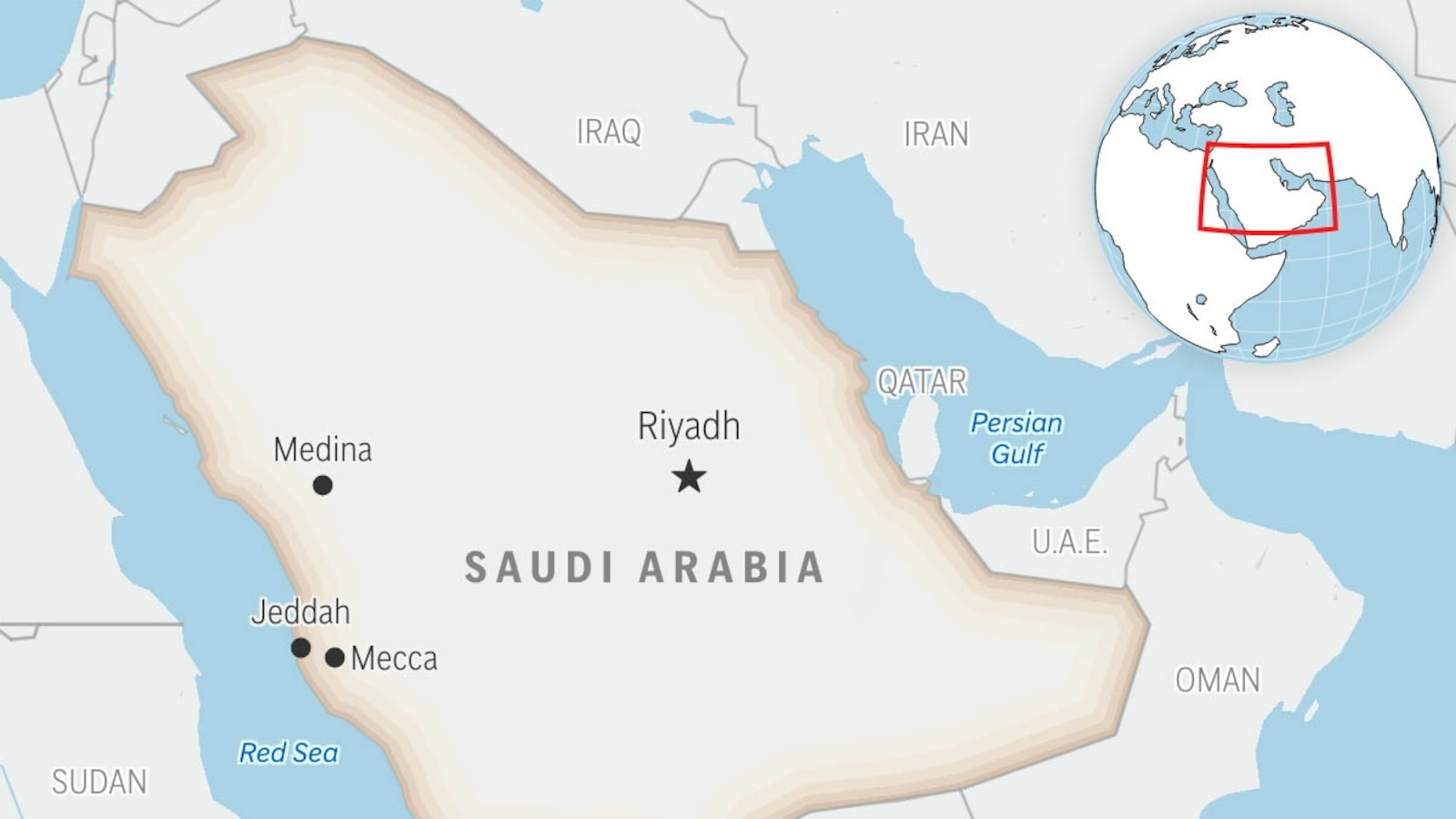
The crash took place around 6 a.m. near Ras Tanura, an important hub for oil activities in Saudi Arabia. All 14 individuals onboard were confirmed to be Saudi nationals, according to an official statement from the Saudi Ministry of Energy. Immediate actions are being taken, as an investigation has been initiated to determine the cause of this fatal accident. The loss of life in such incidents underscores the risks involved in aviation and energy extraction within this critical industry.
Aramco’s Role in the Incident
The helicopter that met with tragedy belongs to Aramco, which is largely controlled by the Saudi Arabian government. As a key player in the global oil market, Aramco has faced its share of challenges, including disruptions caused by geopolitical tensions in the region. The company’s responsibility toward both its personnel and its operations has never been more scrutinized, especially following this accident.
Implications for the Oil Sector
This incident adds to the existing pressures on Aramco, which has already been grappling with the fallout from the ongoing Iran conflict that has created uncertainties in oil supply and price stability. Just recently, Aramco managed to reallocate some of its oil exports through a different pipeline in a bid to circumvent the disruptions presented by the Strait of Hormuz. The strait has become increasingly contentious, with Iranian authorities asserting greater control, making it a focal point in the ongoing energy crisis.
The Road Ahead
As investigations continue, industry experts are likely to scrutinize not only the immediate causes of the helicopter crash but also the broader implications for operational safety standards across Aramco and the energy sector at large. This tragic loss of lives is a somber reminder of the inherent risks in the aviation and oil industries, igniting further discussions about the need for rigorous safety protocols.
In summary, this catastrophic event has far-reaching consequences not only for the families affected but also for the oil industry’s operational safety and geopolitical stability, urging stakeholders to reconsider their strategies in both security and crisis management.