
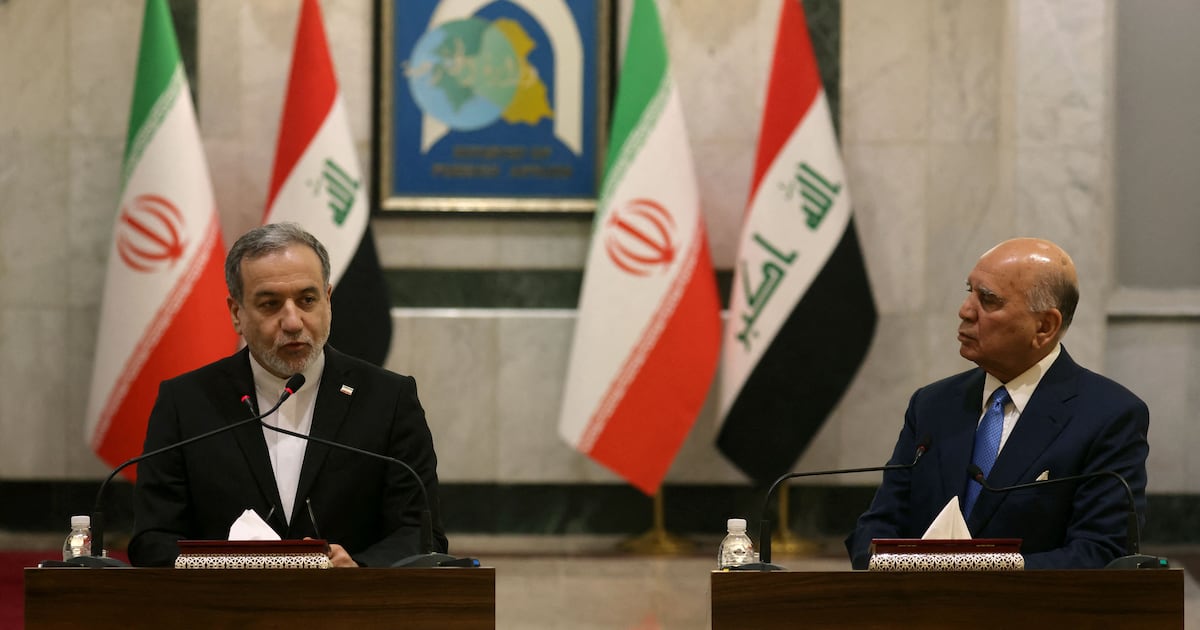
The Iraqi Foreign Minister Fuad Hussein has officially called on Gulf Cooperation Council (GCC) member states and Iran to convene an eight-party meeting aimed at addressing pressing issues related to regional security, de-escalation, and economic cooperation. This invitation indicates a significant move towards fostering dialogue and collaboration among nations in a region characterized by tension and conflict.
Rising Tensions and the Need for Dialogue
The idea for a reconciliation summit has been circulating since a recent agreement between Washington and Tehran. However, Gulf nations, still feeling the repercussions of previous Iranian aggression, remain cautious in their engagement with Iran. This skepticism is heightened given Iran’s history of missile attacks on Gulf states, including Kuwait and Bahrain, signaling that diplomatic talks may require overcoming deep-seated mistrust.
In the wake of heightened tensions, Iranian Foreign Minister Abbas Araghchi visited Baghdad shortly after various attacks attributed to Iran occurred. U.S. Secretary of State Marco Rubio emphasized to Gulf partners that any treaty with Iran must consider their security concerns. His recent visits to the UAE, Bahrain, and Kuwait aimed to bolster support for the U.S. administration’s framework with Tehran, yet skepticism remains among Gulf states.
Implications for Iraq’s Diplomatic Role
Reports indicate that Saudi Arabia might soon host discussions between Gulf states and Iran. Yet, Gulf diplomats express that such conversations are premature, reflecting the nuanced and sometimes contradictory nature of regional politics. “We discussed the postwar period because this war in the region must end as the continuity of the war will lead to the destruction of the whole region and not a specific country,” stated Mr. Hussein, emphasizing the need for collective security.
Iraq aims to position itself as a crucial diplomatic bridge, facilitating dialogue between competing interests. During the Iraq conflict, the nation faced denunciation when attacks on Gulf territories were allegedly traced back to its land. Thus, Mr. Hussein articulated the notion that “the security of the region must be managed by the countries of the region,” framing the proposed meeting as a step towards increased regional stability and improved economic ties.
Iran’s Position and Regional Security Outlook
Mr. Araghchi supported Iraq’s initiative, highlighting Iran’s readiness to collaborate and advance peaceful solutions in the region. Discussions also included reflections on security frameworks conducive to long-term peace. However, serious concerns linger as Iran has issued warnings regarding commercial maritime routes amid ongoing military tensions in the Strait of Hormuz, which is vital for global oil trade.
The Iranian official’s stance points to a desire for regional management of the Strait by Iran, asserting that any external interference could exacerbate tensions. His remarks emphasize that misunderstandings and failed negotiations could risk destabilizing the critical waterway, impeding its restoration to normal operations.
While Iraq’s proposal has gained some support, it remains uncertain whether the GCC nations will respond favorably. The intricate landscape of U.S.-Iran relations combined with fluctuating Gulf-Iran interaction poses challenges to Iraq’s ambitions of fostering peace. Moreover, the discussions between Iraqi leaders and Iranian diplomats indicate a broader commitment to regional security, laying the groundwork for future diplomatic efforts aimed at overcoming existing divides.
In conclusion, the proposed eight-party meeting in Baghdad reflects a critical opportunity for dialogue among Gulf states, Iraq, and Iran. Amid persistent tensions, the push for reconciliation highlights the necessity of collaboration and collective security measures in achieving lasting peace in the region. As diplomatic currents continue to evolve, the fate of Iraq as a mediator and the potential for improved regional relations hinge on the willingness of all parties to work together toward common goals.