
Strengthening Energy Ties: Bangladesh’s Approach to Qatar Amidst Crisis
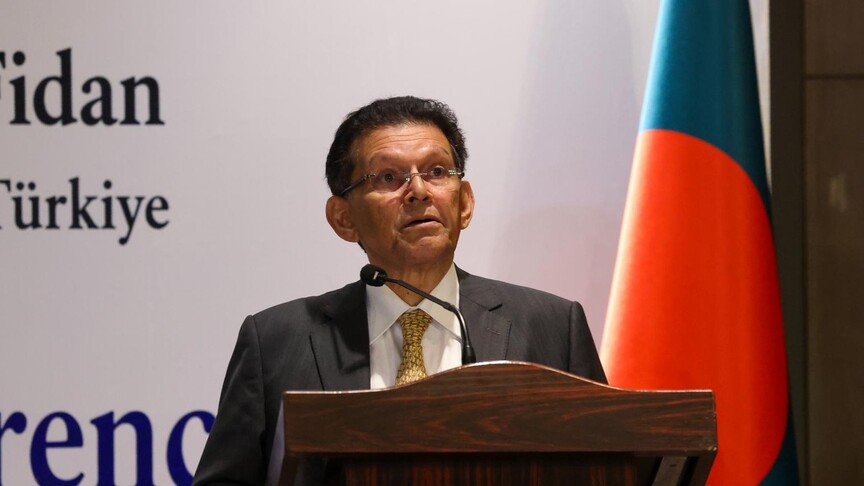
In a bid to fortify its energy cooperation, Bangladesh has embarked on an official visit to Qatar, led by Foreign Minister Khalilur Rahman. This two-day engagement occurs against the backdrop of escalating tensions in the Strait of Hormuz and an ongoing energy crisis within Bangladesh. With energy needs mounting, this diplomatic effort aims to establish beneficial partnerships and enhanced collaboration.
High-Level Meetings Focus on Energy and Finance
During his visit, Foreign Minister Rahman engaged in discussions with key Qatari officials, including the Energy Minister, Saad bin Sherida Al Kaabi, and Finance Minister, Ali bin Ahmed Al Kuwari. The discussions were centered around shared interests, particularly in energy and financial sectors. According to a statement from Bangladesh’s Foreign Ministry, both parties placed significant emphasis on strengthening bilateral cooperation in these critical areas.
To facilitate ongoing collaboration, the two countries have agreed to form joint working groups aimed at addressing the issues discussed during their meetings. This long-term approach highlights Bangladesh’s commitment to enhancing cooperation and ensuring that both nations can mutually benefit from stronger ties.
Addressing Bangladesh’s Energy Crisis
Bangladesh is currently grappling with a severe energy crisis, exacerbated by maintenance challenges at its floating liquefied natural gas (LNG) terminals situated in the Bay of Bengal, coupled with a decline in domestic energy production. Finance Minister Amir Khosru Mahmud Chowdhury acknowledged in Dhaka that rectifying the electricity and gas shortages might take a minimum of two years. He attributed these challenges to significant infrastructure problems in the country’s largely import-dependent energy sector.
The densely populated nation of approximately 175 million heavily depends on the Middle East for energy supplies, sourcing about 95% of its fuel oil and around 30% of its gas from this region. The ongoing tensions have put additional strain on these vital energy imports, highlighting the urgency of strengthening relationships with countries like Qatar.
Impact of Geopolitical Tensions on Energy Supply
The energy situation has been further complicated by recent developments concerning the Strait of Hormuz, a crucial waterway that sees the passage of roughly 20 million barrels of oil and around 20% of global liquefied natural gas trade. Following Iran’s effective closure of this strategic channel around early March, energy supplies in the region, including those relied upon by Bangladesh, have been significantly disrupted.
On a related note, the geopolitical landscape has seen the involvement of international powers, with US President Donald Trump recently sharing an image suggesting the Strait of Hormuz as US territory. This declaration raises concerns, as Iran has firmly stated that it will not reopen the strait unless US involvement ceases and prior agreements between the two nations are honored.
Overall, the diplomatic relations being strengthened between Bangladesh and Qatar could play a critical role in addressing Bangladesh’s energy shortage. The collaboration could lead to more stability in energy supplies, ultimately helping to alleviate the current crisis plaguing the nation. As Bangladesh navigates these challenges, constructive engagement with Qatar may prove to be a vital step forward.