
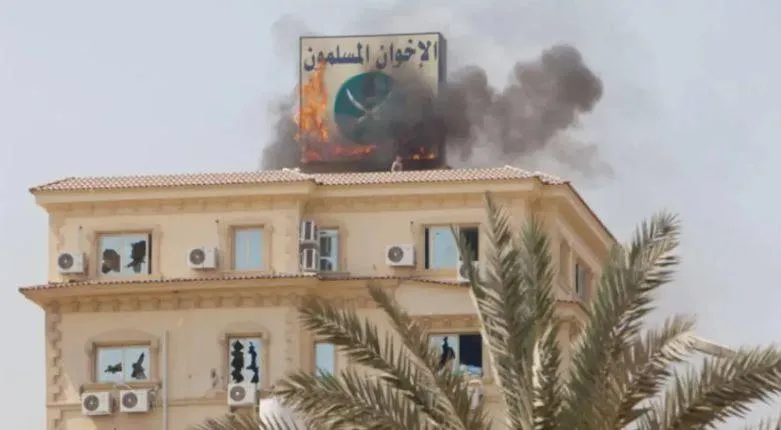
Thirteen years have passed since the Muslim Brotherhood was removed from power in Egypt during the events of June 30, 2013. The political landscape has since shifted dramatically, leading to significant challenges for the group both within the country and on the international stage.
Decline of the Muslim Brotherhood’s Influence
After Mohamed Morsi, a member of the Muslim Brotherhood, became president in 2012, the organization enjoyed a brief period of governance that lasted just one year. However, following Morsi’s removal, the group has faced severe difficulties and setbacks. Domestically, it has encountered intensified judicial actions and security crackdowns, resulting in the arrest of many of its members and a substantial erosion of its influence. This decline has altered the dynamics of Egyptian politics, pushing the Brotherhood into a more defensive position.
Judicial and Security Challenges
The Egyptian authorities have implemented a series of judicial proceedings against the Brotherhood, marking a tough approach toward any semblance of its resurgence. These measures have included widespread arrests and lengthy prison sentences for key leaders and activists associated with the group. Such actions reflect the government’s determination to quash any potential revival of the Brotherhood, further isolating it politically and socially in Egyptian society.
The Brotherhood’s International Standing
On the international front, the Muslim Brotherhood has also faced diminishing support. Once viewed as a significant political player in the Middle East, the group’s reputation has been severely tarnished in the years following its ousting. Various nations have reassessed their relationships with the Brotherhood, leading to a decrease in external backing. This shift has implications for the organization’s ability to foster alliances and gain traction outside of Egypt, thereby limiting its resources and outreach.
Looking Toward the Future
As the Muslim Brotherhood continues to navigate these turbulent waters, its prospects remain grim. The combination of internal repression and a hostile international environment poses considerable obstacles. The group is now at a crossroads, having to reevaluate its strategies and possibly reshape its identity to adapt to the current political climate. The coming years will be pivotal in determining whether the Brotherhood can re-establish itself or if it will continue to decline into political irrelevance.
In conclusion, the Muslim Brotherhood’s experience since June 30, 2013, serves as a testament to the dynamic and often volatile nature of political movements in Egypt. With ongoing pressure from the state and dwindling support abroad, the group faces an uncertain future that could redefine its role in Egyptian society.