
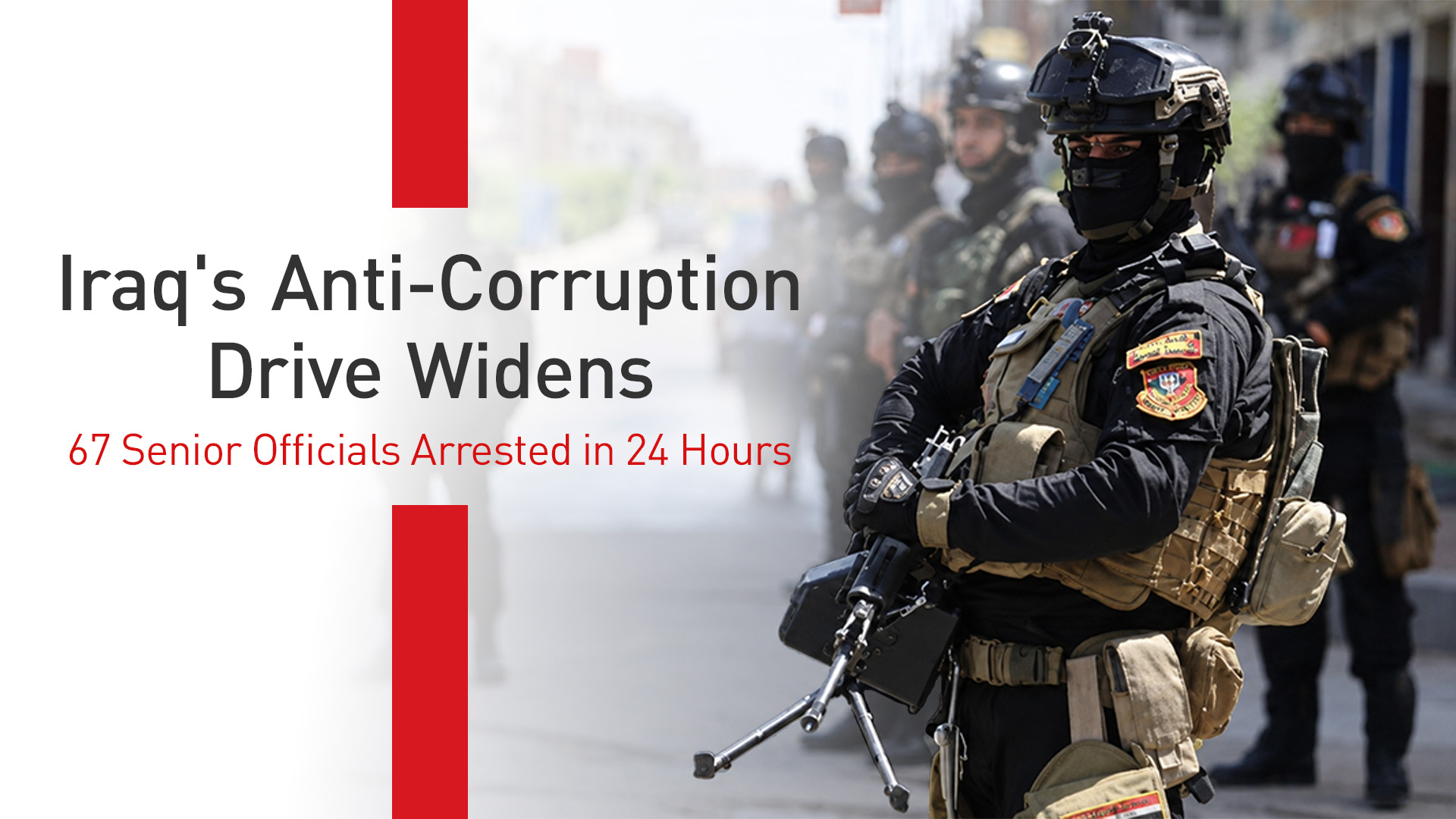
Iraq is currently undergoing one of its most significant anti-corruption drives in two decades, marking a pivotal moment in the fight against graft. With the arrest of 67 lawmakers, officials, and business executives in just the first day of this expanded operation, authorities are signaling a serious commitment to rooting out corruption and reclaiming lost public funds. The campaign not only reflects the urgency of reducing corruption but also the collaborative efforts between the federal government and the Kurdistan Regional Government (KRG) to combat this long-standing issue.
Unprecedented Scale of Arrests
In an aggressive move against corruption, Iraqi security forces initiated a broad operation that has led to the detainment of significant political and administrative figures under investigation for various allegations, including embezzlement, financial misconduct, and money laundering. The reported figures indicate that this crackdown is distinct from previous efforts, primarily due to the high-profile nature of the individuals involved and the rapid action taken by the authorities. Investigators have expressed intentions to continue pursuing additional suspects as part of a sustained long-term strategy aimed at enhancing oversight and accountability within state institutions.
Comprehensive Security Measures
The federal government’s approach to the anti-corruption campaign has notably included extensive security measures aimed at preventing individuals from evading justice. Special elite units, such as the Counter-Terrorism Service (CTS), have been deployed in critical areas including Baghdad’s Green Zone. Enhanced monitoring has been established at international airports and border points to restrict those under investigation from fleeing the country. Although there have been attempts by some individuals to escape or hide from authorities, the government remains steadfast in its mission to pursue investigations through lawful channels.
Governmental Commitment to Reform
In his remarks following the launch of the operation, Iraqi Prime Minister Ali al-Zaidi reaffirmed the government’s dedication to protecting national wealth and ensuring accountability. He described the campaign as a foundational effort aimed at instilling the rule of law and established that corruption would not be tolerated within state institutions. This initiative represents a collaborative institutional endeavor involving judicial, regulatory, and security agencies, emphasizing constitutional adherence while navigating the complexities of corruption investigations.
Strengthening Federal Coordination
The recent anti-corruption efforts have also brought to light the increasing cooperation between Baghdad and the Kurdistan Regional Government (KRG). Following formal government requests, Kurdish security forces detained individuals wanted in connection with corruption investigations and successfully transferred them to federal authorities. This cooperation marks a significant step in aligning efforts against corruption across Iraq’s federal system.
The ongoing nature of these investigations suggests that the anti-corruption campaign has the potential for long-lasting institutional reform, contingent on how effectively subsequent judicial proceedings are managed. Overall, the recent actions symbolize a crucial phase in Iraq’s approach to accountability and governance, aiming to restore public confidence in state institutions while ensuring that those accused of financial misconduct are held accountable. The success of this campaign will depend on the progress made in future phases and the integrity of judicial processes, which serve as the backbone of Iraq’s fight against corruption.