
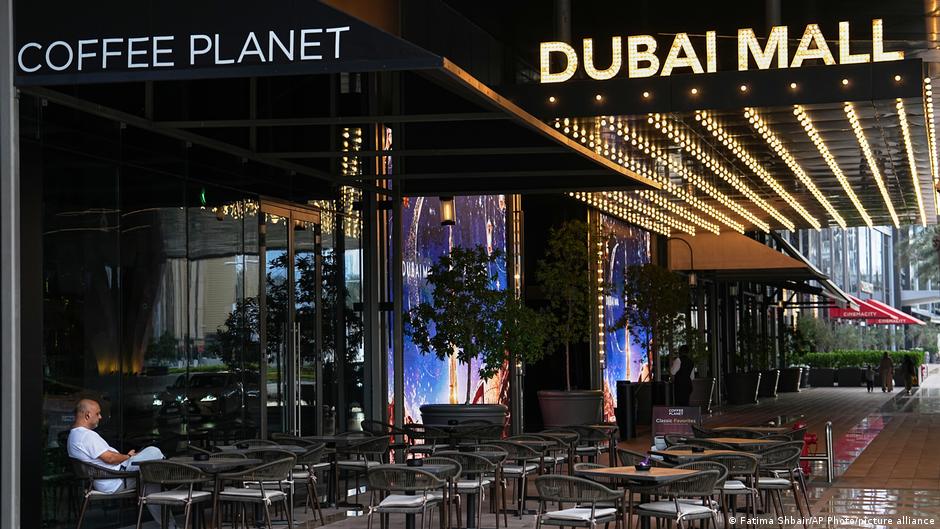
The ongoing conflict in Iran is having significant repercussions on the economy of the United Arab Emirates (UAE). While there are indications of economic distress, local authorities maintain that recovery is on the horizon. This conflicting narrative raises questions about the true state of affairs in this vibrant economy.
Impacts of the Iran Conflict on the UAE Economy
The Iran war has resulted in a palpable sense of uncertainty affecting both residents and visitors to the UAE. As tensions escalate, many expatriates are reconsidering their futures in the country, leading to an exodus that could significantly impact local businesses. Moreover, social and leisure activities are noticeably dwindling, as tourists are opting to cancel or postpone their trips to the UAE. This trend not only threatens the hospitality and service sectors but also the broader economic landscape, which has heavily relied on tourism for sustained growth.
The repercussions of declining visitor numbers are being felt in various sectors. Hotels and restaurants, which previously thrived on international tourist footfall, are experiencing reduced occupancy rates and lower sales. Retail establishments are similarly affected, as disposable income disappears when potential customers shy away from travel. This downturn presents a significant challenge to economic recovery efforts, highlighting the fragile nature of the UAE’s reliance on tourism and foreign investment.
Authorities’ Optimism Amid Economic Concerns
Despite these challenges, UAE officials convey a sense of optimism about the economic outlook. Government representatives have consistently stated that the economy is on a path to recovery, attributing the positive sentiment to initiatives aimed at diversifying income sources beyond oil dependency. This diversification includes bolstering sectors like technology, renewable energy, and digital commerce, which officials argue will promote sustainable growth in the long run.
Investment in infrastructure has also been emphasized as a critical component of the UAE’s recovery strategy. With major projects and international events planned, UAE authorities believe that these activities will ultimately attract investors and revive the economy. However, many critics argue that these developments may not be enough to offset the immediate impacts of political unrest in the region.
Public Sentiment and Future Outlook
While government officials project confidence, public sentiment tells a different story. Many residents express concern over job stability and economic prospects, feeling the pressure of a slowing economy. The contrast between the government’s optimistic projections and the apprehensions of citizens underscores a potential disconnect that could influence consumer behavior and investment.
In conclusion, the UAE’s economic environment is currently marked by uncertainty due to the ongoing conflict in Iran. While government authorities claim a recovery is underway, the reality may be more complex. As residents and tourists adjust their plans in response to geopolitical tensions, the longer-term effects on the economy remain to be seen. Stakeholders will need to navigate this precarious landscape carefully, balancing between optimism and the pressing demand for tangible economic stabilization.