
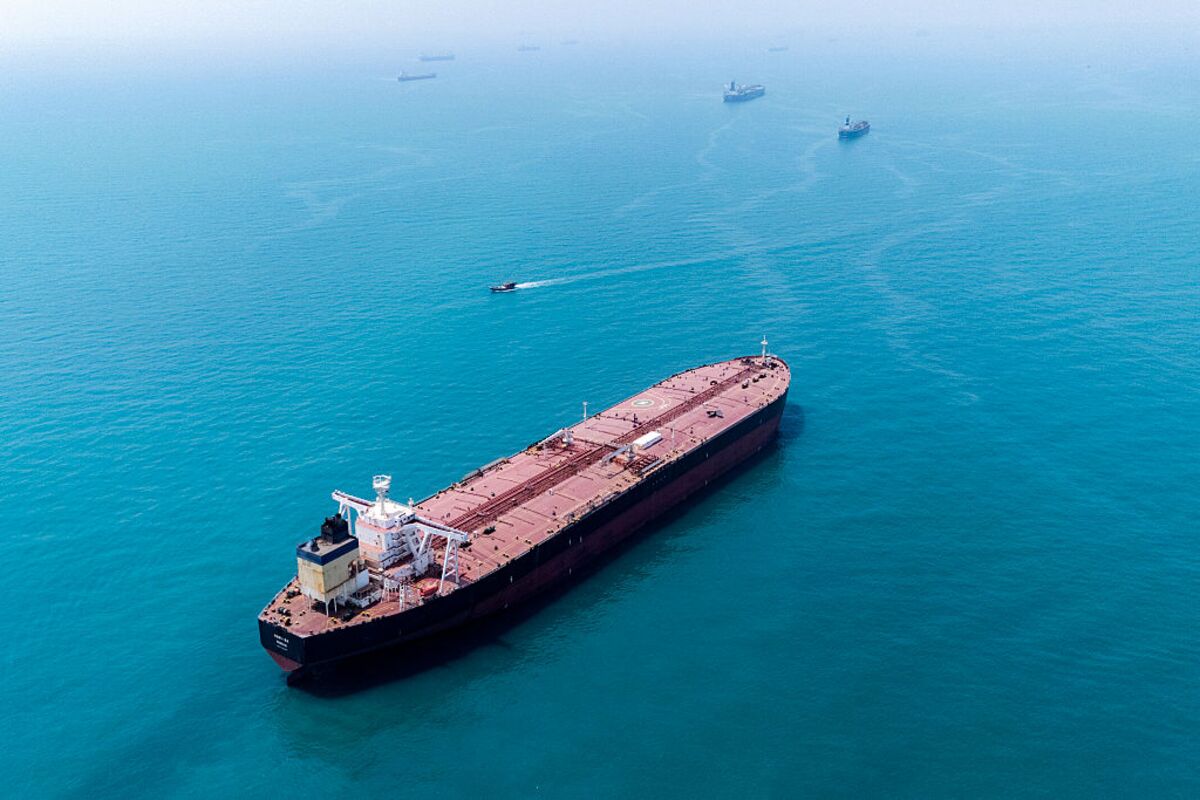
In recent weeks, the ongoing Middle East conflict has significantly impacted the oil market, particularly concerning the flow of Iraqi oil. As tensions between the U.S. and Iran have temporarily subsided, shipments through critical routes like the Strait of Hormuz have begun to stabilize, allowing Iraqi oil to move more freely.
The Impact of the Ceasefire on Oil Transit
The fragile ceasefire between the United States and Iran has led to a notable increase in oil transit through the Strait of Hormuz, a vital chokepoint for global oil supplies. This transition comes after a period of uncertainty where Iraqi oil exports were severely hampered by regional conflicts. As the situation appears to calm, oil tankers have resumed their passage, facilitating a smoother flow of resources from Iraq to international markets. Stakeholders are eager to capitalize on this respite, as any disruptions can swiftly alter market dynamics and pricing strategies.
Market Reactions and Future Predictions
Oil traders have reacted positively to the recent developments, showing increased confidence in the stability of Iraqi oil supplies. Prices have been somewhat steady, reflecting a cautious optimism among investors. However, market analysts remain vigilant, aware that geopolitical tensions can flare up unexpectedly, potentially leading to renewed volatility. Long-term forecasts suggest that if the ceasefire holds, we may witness a surge in Iraqi oil exports, offering a crucial lifeline for the economy. This scenario underscores the volatile nature of oil markets, where political stability plays a critical role in supply chain integrity.
The Role of Global Shipping in Oil Supply Chains
The resurgence of Iraqi oil shipments not only benefits the Iraqi economy but is also pivotal for global oil supply chains. The Strait of Hormuz is a crucial artery for transporting about 20% of the world’s crude oil. Thus, any disruption in this region has far-reaching implications, affecting countries that rely heavily on Middle Eastern oil. Improved shipping conditions can enhance overall production capacity and investor sentiment, stimulating economic growth.
Potential Challenges Ahead
Despite the current progress, challenges remain on the horizon. The ceasefire is fragile, and any resurgence of hostilities could disrupt oil flows once more. Furthermore, market analysts are keeping an eye on OPEC’s decisions that could influence pricing and production levels. The volatility of oil markets, combined with unpredictable geopolitical scenarios, serves as a reminder that the situation is fluid and requires ongoing monitoring.
In summary, the recent easing of tensions in the Middle East has allowed Iraqi oil to be transported more freely, impacting both local and global markets. Monitoring the developments in this region will be crucial for stakeholders as they navigate the complexities of oil supply chains during these uncertain times.