
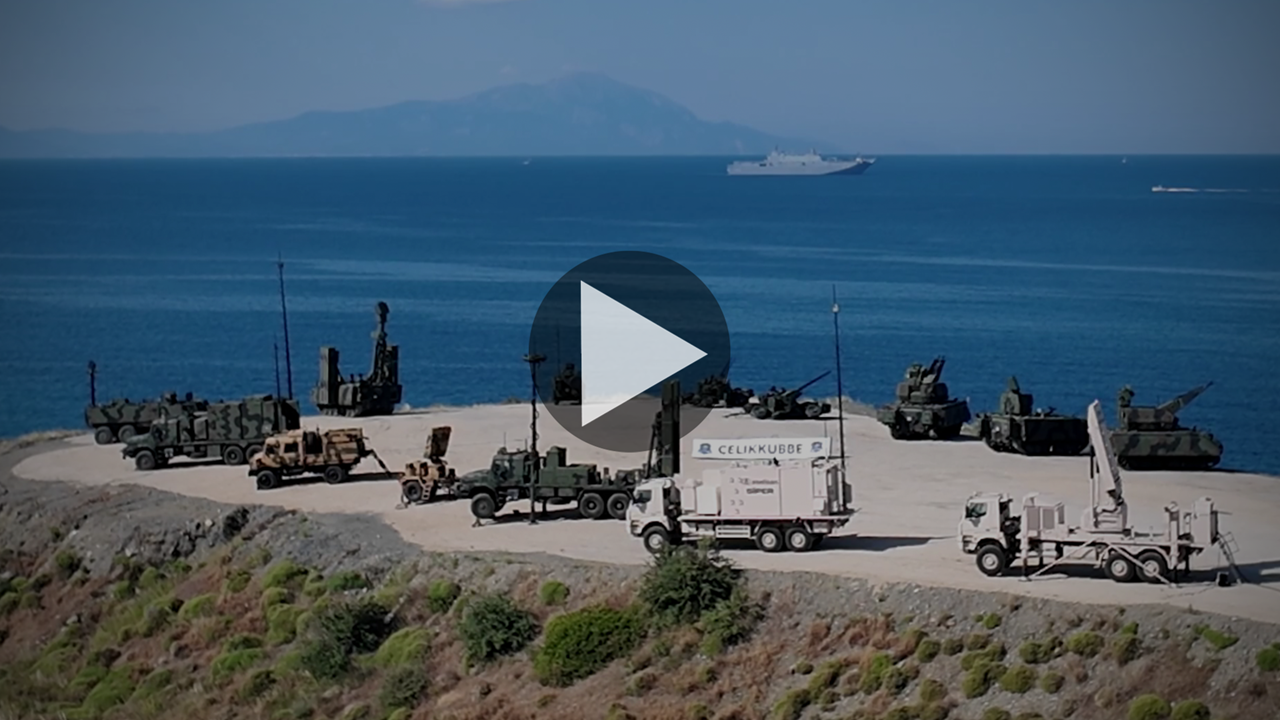
The recent multinational EFES 2026 exercise in Turkey marked a significant milestone in defense collaboration among nations in the region. With the inclusion of participants from Syria and Egypt alongside traditional allies, this event reflected an evolving strategic landscape within the Middle East.
Overview of EFES 2026 Multinational Exercise
EFES 2026, hosted by Turkey, served as a platform for both established and emerging military forces to engage in joint training exercises. This event stood out not only for its scale but also for its emphasis on collective defense strategies that are crucial for regional stability. The participation of Syrian and Egyptian troops, for the first time, signifies a shift towards broader alliances and shared defense objectives in an increasingly complex geopolitical environment.
Insights from Agnes Helou on the Exercise
Agnes Helou, Breaking Defense’s Middle East Bureau Chief, provided valuable insights following her attendance at the exercise. She presented a detailed account of activities during both day and nighttime drills, underscoring the rigorous training and cooperation between participating countries. The drills were designed to enhance interoperability among forces, ensuring they can effectively collaborate in real-world scenarios. Helou’s first-hand observations lent depth to the understanding of logistical challenges and the coordination necessary for such large-scale military operations.
Innovations in the Turkish Defense Industry
In conjunction with the exercises, Helou also highlighted several innovative developments within the Turkish defense sector. The country’s defense industry has been rapidly diversifying, resulting in new products and technologies that are gaining attention both locally and on the international stage. With an increased focus on self-sufficiency, Turkey is paving the way for a more autonomous military capability. This growth in indigenous technology not only bolsters national defense but also enhances Turkey’s standing as a significant contributor to international security.
Implications for Middle Eastern Alliances
The inclusion of Syria and Egypt in EFES 2026 hints at potential shifts in regional alliances, which could reconfigure the security dynamics within the Middle East. As countries come together for joint training exercises, they open dialogue channels that may lead to improved relations. The strategic implications of these partnerships cannot be overlooked, as they may influence future defense policies and collaborative efforts against common threats.
In summary, the EFES 2026 multinational exercise not only showcased the military readiness of participant forces but also highlighted significant advancements within the Turkish defense industry. The successful collaboration among traditional and new partners points toward a more unified approach to security challenges in the region. Agnes Helou’s insights offer a comprehensive look at these developments, emphasizing the importance of ongoing cooperation among nations striving for stability and peace in the Middle East.