
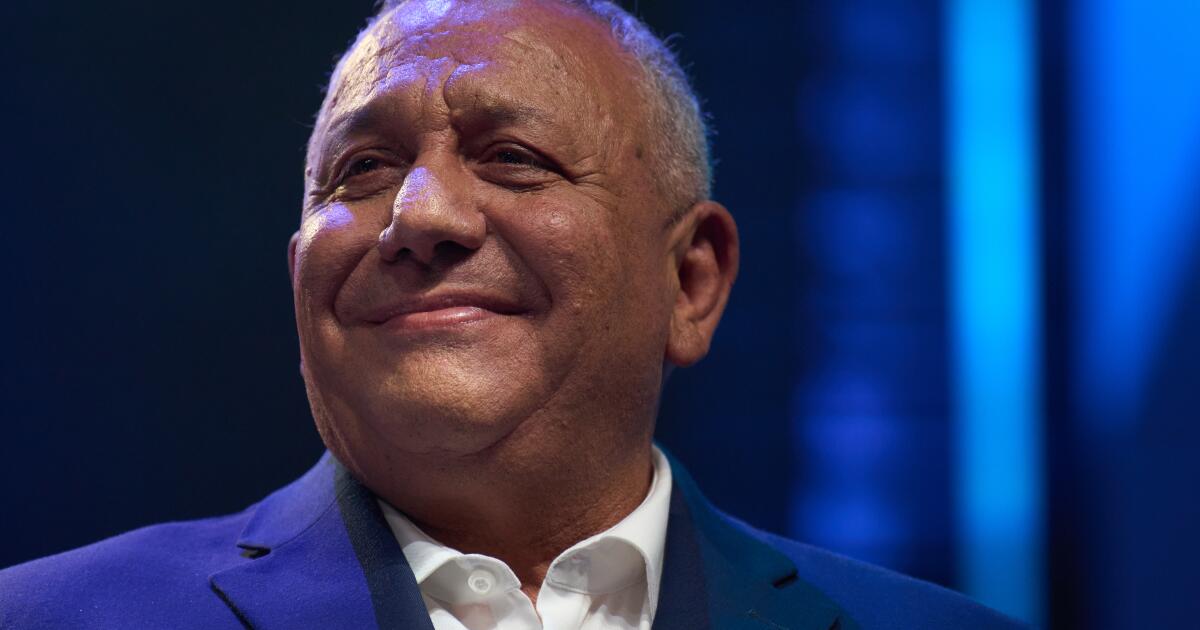
Gadi Eisenkot, a prominent former Israeli general, has become a significant contender in the upcoming elections set for later this year. His recent departure from Prime Minister Benjamin Netanyahu’s war cabinet, where he criticized Netanyahu for lacking a coherent strategy in Gaza, has positioned him as a formidable opponent. Eisenkot’s centrist political party, Yashar! (“Straight!”), has now officially kicked off its campaign.
The Rise of Gadi Eisenkot
At a launch event for his party, Eisenkot expressed a clear urgency, asking whether Israel would continue to overlook the crises it faces or embrace an opportunity for healing and rebuilding. His military background and leadership experience bring him into sharp focus as he questions Netanyahu’s handling of ongoing conflicts, particularly following the Hamas-led attacks on October 7, 2023. While many of Netanyahu’s rivals have generally supported military operations in regions like Gaza and Lebanon, Eisenkot has highlighted what he sees as strategic failures under Netanyahu’s leadership, suggesting that the Prime Minister’s isolationist vision poses risks to Israel’s future.
Netanyahu has retaliated against Eisenkot’s critiques, defending his actions in Gaza by claiming that if he had followed Eisenkot’s advice, Hamas would still be in power. This exchange highlights the tensions within Israeli politics as the nation grapples with the realities of war and security.
Eisenkot’s Unique Profile
As the child of Moroccan Jewish immigrants, Eisenkot starkly contrasts with Netanyahu, who represents a more elite and Western-oriented image. While Netanyahu faces corruption charges, Eisenkot hails from a working-class background and has devoted decades of his life to military service. His familial loss, including the death of his son in combat, has resonated deeply with the Israeli public, enhancing his credibility and portraying him as a leader who prioritizes the welfare of his people over political gain.
Eisenkot’s campaign emphasizes national security and envisions more regional cooperation. While he supports settlements that align with Israel’s interests in the occupied West Bank, his platform also includes promises to investigate the failures leading to the October 7 attacks, as well as a commitment to improving education and healthcare. His slogan, “Service for All,” addresses the contentious topic of military service obligations for Israel’s ultra-Orthodox communities, resonating with citizens weary of ongoing conflicts.
The Electoral Landscape Ahead
Although Eisenkot’s rise offers fresh hope for many disillusioned citizens, he faces significant challenges in a polarized political landscape. The complexities of Israel’s multiparty system mean that even if Eisenkot’s party secures more seats than Netanyahu’s Likud Party, he will still need to form coalitions to achieve a governing majority. The potential to ally with Arab-led parties, a contentious issue, remains a critical consideration in his path to leadership.
Reflecting on the dynamics at play, political experts suggest that while Eisenkot’s centrist approach and military reputation could attract a wide base, the road to unseating Netanyahu is fraught with obstacles. The deeply fragmented nature of Israeli politics, characterized by shifting coalitions and alliances, adds further complexity to the task of establishing a new government.