
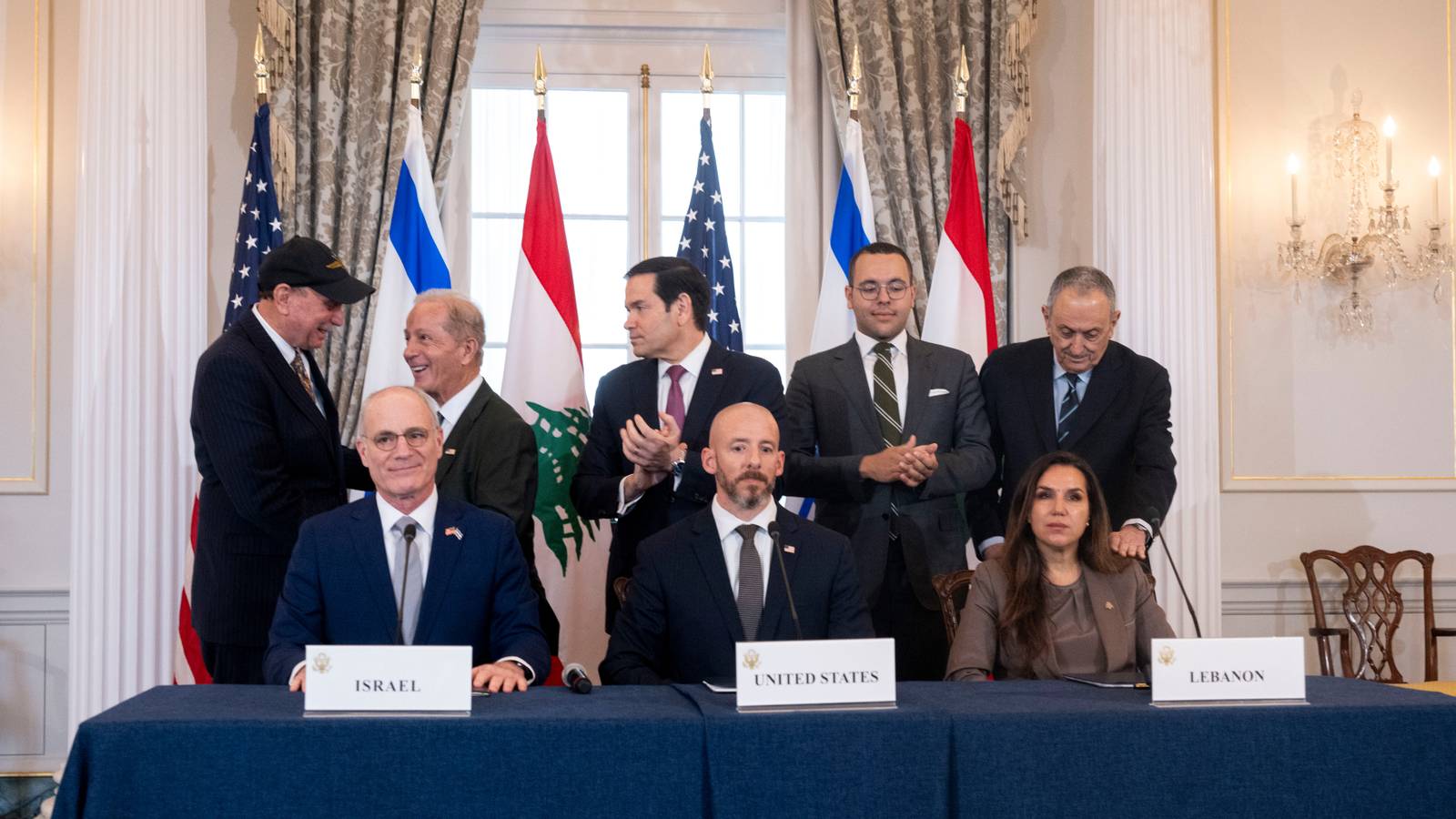
A U.S.-facilitated framework between Israel and Lebanon has emerged as a potential pathway to resolving the ongoing conflict that has endured for several months. While the agreement aims to create a semblance of stability, it overlooks crucial challenges: Israeli troops continue to occupy parts of Lebanon, countless lives have been lost, and the Lebanese government faces immense pressure to disarm Hezbollah prior to any complete Israeli withdrawal.
The Genesis of the Conflict
The violence reignited on March 2 when Hezbollah launched rockets and drones into northern Israel. This military action was reportedly in retaliation for U.S. and Israeli airstrikes that killed Iranian Supreme Leader Ayatollah Ali Khamenei. Hezbollah branded their offensive as a necessary response to Israel’s persistent incursions into Lebanese territory following the 2024 ceasefire. In retaliation, Israel conducted extensive airstrikes across Lebanon and intensified military operations, thus deepening its footprint in southern Lebanon, where it aimed to establish a security buffer against future threats.
The Cost of War: Humanitarian Impact
Civilian life has been profoundly affected by the conflict. Humanitarian organizations report that over a million individuals have been displaced, and more than 4,000 people have lost their lives since the escalation of fighting. Many citizens of southern Lebanon find themselves unable to return home due to continued Israeli military control over significant portions of the region, setting the stage for the recently announced agreement in Washington.
The proposed framework ties Israel’s eventual withdrawal from southern Lebanon to the disarmament of Hezbollah, which the group has vehemently rejected. Israeli Prime Minister Benjamin Netanyahu has reiterated that military forces will remain until Hezbollah disarms, leaving the path to peace fraught with uncertainty.
International Law and Occupation Issues
The conflict operates under the auspices of the 1949 Geneva Conventions, which both nations have ratified. These laws delineate the legality of warfare and outline obligations regarding civilian safety during conflict. They mandate clear distinctions between military and civilian targets and impose strict limitations on the displacement of populations. Humanitarian organizations have flagged that the ongoing situation in southern Lebanon may breach these legal frameworks, particularly as many residents cannot return home and civilian properties are at risk of destruction.
Critics assert that Israeli claims of military necessity do not justify violations of international law. For instance, Amnesty International has accused Israel of issuing illegal mass evacuation orders and enforcing no-return policies—allegations that Israel disputes vigorously. As the situation develops, attention remains focused on whether Israel will uphold international obligations or continue military operations under the pretext of safety.
Public Sentiment and Regional Implications
The framework has stirred discontent across both nations, albeit for different reasons. In Lebanon, citizens have expressed outrage over the terms that allow continued Israeli presence until Hezbollah is disarmed, questioning the feasibility of such conditions. In Israel, the protests are largely driven by widespread dissatisfaction with extended military engagements, as thousands of reservists face repeated deployments.
The United States, which brokered this agreement after lengthy negotiations, hopes to stabilize the region. U.S. Secretary of State Marco Rubio’s attendance during the signing further emphasizes American stakes in this complex situation. The U.S. has pledged $100 million in humanitarian aid to Lebanon as part of the framework, but skepticism looms over its effectiveness, especially regarding what might transpire if Hezbollah remains resolute and Israeli forces refuse to disengage.
As the tension persists, the future of the Israel-Lebanon relationship remains uncertain. Both nations stand at a crossroads, beset by internal divisions and external pressures that will inevitably shape the unfolding story of this decades-long conflict.