
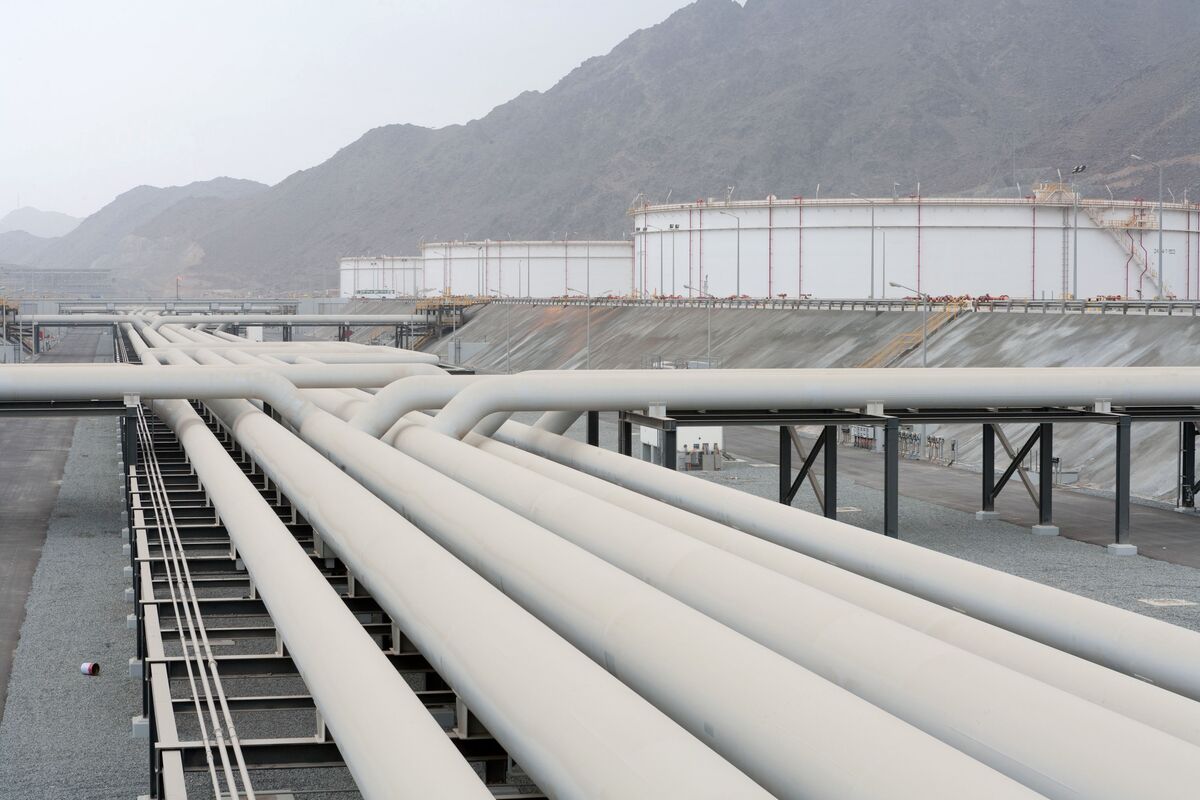
The United Arab Emirates (UAE) has successfully reinstated its oil exports to levels seen before the onset of conflict, employing clever strategies to navigate around challenging maritime routes. This strategic maneuvering not only showcases the UAE’s resourcefulness but also highlights the critical role the nation plays in the global oil market.
Strategic Maritime Maneuvers
The UAE’s recent increase in oil exports can be largely attributed to its innovative tactics for transporting oil. By employing discreet routes through the Strait of Hormuz, one of the most vital maritime chokepoints in the world, the UAE has managed to avoid detection while maintaining its export volumes. The use of tankers to navigate these waters without raising alarm reflects the country’s ability to adapt in the face of geopolitical instability.
Additionally, the UAE has leveraged an alternative pipeline that circumvents the Strait altogether. This pipeline not only alleviates risks associated with maritime transit but also provides a more secure supply line for oil exports. This dual approach allows the UAE to maintain a steady flow of oil to international markets while minimizing disruptions caused by regional tensions.
Global Market Implications
Reinstating oil exports to pre-conflict volumes is significant for the global oil market. The UAE is one of the leading oil producers in the world, and its ability to stabilize exports can help mitigate fluctuations in global oil prices. As supply chains become increasingly complex, the UAE’s strategies could serve as a model for other nations facing similar challenges.
Furthermore, the UAE’s efforts to maintain and potentially increase its export levels come at a time when various oil-producing nations face upheaval. As demand for oil remains high, particularly in emerging economies, the UAE is positioned to capitalize on this demand, further solidifying its status in the global energy landscape. This is not just beneficial for the UAE itself but also for global markets that rely heavily on stable oil supplies.
Challenges Ahead
While the UAE’s current strategies have proven effective, the future remains uncertain. Geopolitical tensions in the region could escalate, leading to increased risks for oil transportation. Additionally, the environmental implications of continued oil production and transportation are a growing concern, urging nations to explore more sustainable energy sources. The UAE must navigate these challenges while maintaining its competitive edge in the oil market.
Moreover, as the global shift towards renewable energy accelerates, the long-term sustainability of oil exports poses a significant question. The UAE has made strides in diversifying its energy portfolio, but reliance on oil remains substantial. Moving forward, it will be crucial for the UAE to find a balance between oil exportation and embracing greener energy solutions.
In conclusion, the United Arab Emirates has demonstrated remarkable adaptability in restoring oil exports to pre-war levels. Through clever navigational strategies and the use of alternative pipelines, the UAE is playing a pivotal role in stabilizing the global oil market. However, as challenges arise, both geopolitical and environmental, the future of oil exportation faces an intriguing yet uncertain journey.