
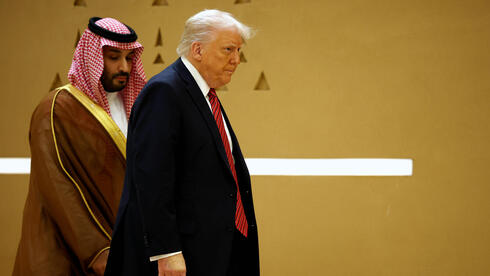
Saudi Arabia recently urged U.S. President Donald Trump to halt a military initiative in the Strait of Hormuz, citing concerns that it could reignite tensions with Iran. This request reflects the complexities of U.S.-Saudi relations amid regional security challenges.
Understanding Project Freedom
The Pentagon’s operation, named Project Freedom, aimed to secure commercial shipping through the strategically vital Strait of Hormuz, which Iran had effectively blockaded at the onset of ongoing hostilities. The operation intended to deploy American naval and air forces to protect vessels from potential Iranian aggression during a fragile ceasefire. However, Saudi Arabia’s response took the U.S. by surprise when Riyadh denied American forces access to its airspace, a decision made without prior consultation.
Rising Tensions Between Washington and Riyadh
Following this refusal, urgent discussions ignited between the U.S. and Saudi leadership. Trump and Crown Prince Mohammed bin Salman engaged in multiple conversations, indicating the seriousness of the situation. Despite these efforts, Saudi officials stood firm, worried that permitting U.S. operations could expose the kingdom to Iranian retribution and intensify hostilities in the Gulf. Just 48 hours after Project Freedom commenced, the Trump administration made the decision to terminate the mission.
This episode highlighted deepening fractures in U.S.-Saudi relations regarding regional security following recent military actions by the U.S. and Israel against Iran. While Saudi Arabia supported the U.S. intervention on various fronts, it also aimed to avoid escalating threats to its sovereignty and safety. Former U.S. ambassador Michael Ratney noted a psychological shift within the Gulf states once Iran closed the Strait, signaling a pivot in regional security dynamics.
Striving for Stability Amid Competing Interests
Since the onset of the conflict, Saudi Arabia has balanced multiple priorities: diminishing Iran’s influence, safeguarding maritime routes, and steering clear of renewed conflict. The kingdom has also maintained communication with Tehran, focusing on key issues like Iran’s nuclear advancements and its control over the Strait of Hormuz. In the aftermath of Project Freedom, Gulf Arab states are increasingly advocating for a new agreement with Iran that would shield them from the cascading fallout from potential U.S.-Iranian hostilities.
Despite ongoing tensions, significant aspects of the U.S.-Saudi alliance continue to hold. Discussions pertaining to a civilian nuclear program, alternative transit routes bypassing the Strait of Hormuz, and sustained arms sales are still on the table. Notably, Saudi Arabia remains the largest importer of American military equipment.
Yet the abortive Project Freedom operation illustrated Saudi apprehensions regarding U.S. strategies vis-à-vis Iran. The concerns persist that aggressive U.S. actions may inadvertently make Gulf nations vulnerable to retaliatory strikes, particularly in light of unclear American military objectives.
Future Outlook
The ceasefire currently in place has not alleviated these fears. Reports suggest that the arrangement fails to address essential concerns regarding Iran’s missile capabilities or its backing of regional militias. While Saudi officials have publicly welcomed this diplomatic overture, they have refrained from pledging to fund any reconstruction efforts in Iran, showcasing ongoing caution.
For Riyadh, the stunted U.S. initiative underscores that while the military conflict might be temporarily stilled, the overarching threats related to Iran, Israel, and stability within the Gulf remain unresolved. The complexity of regional dynamics continues to shape Saudi Arabia’s approach as it navigates a challenging geopolitical landscape.