
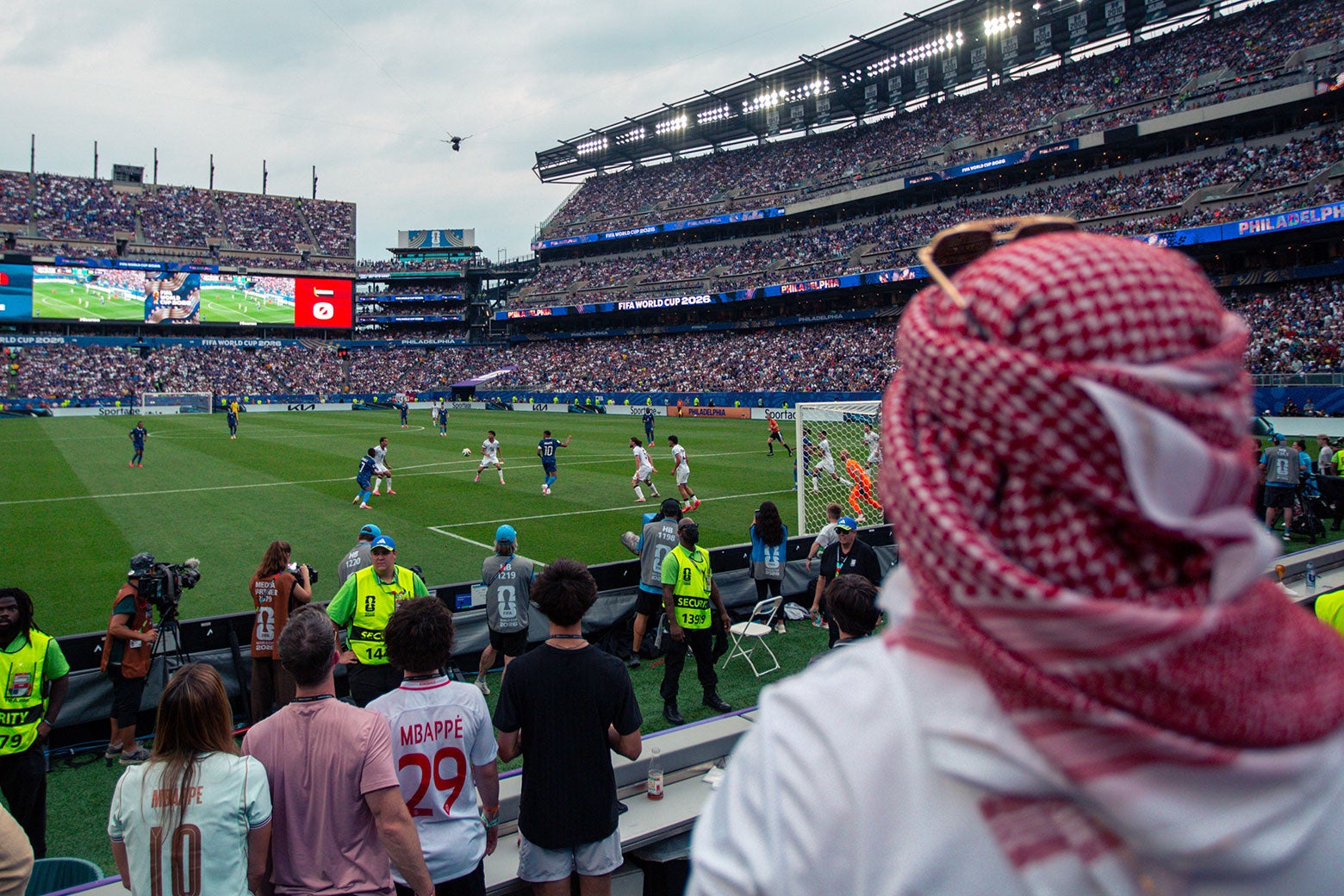
In a captivating moment amidst a World Cup storm delay, Iraqi fans in Philadelphia displayed a spirit of joy and unity, despite their team’s struggles. While Iraq faced a defeat at the tournament, their supporters maintained an electrifying atmosphere, celebrating with smiles, songs, and waving flags as they interacted with fans of the French team. This scene highlighted not only the passion for football but also the cultural connections among diverse communities during major sporting events.
The Iraqi Team’s Journey in the World Cup
Iraq’s World Cup journey did not provide the results they had hoped for. Throughout the tournament, they managed to score just once while conceding twelve goals—a significant challenge for a nation making its return after a 40-year hiatus. Despite these setbacks, the fervor among the Iraqi supporters remained undiminished. As I left the stadium, it struck me that, in many ways, the supporters appeared to revel in their experience far more than the players did on the pitch.
Connecting Through Fandom
From my exploration in Philadelphia, I discovered a tapestry of fans beyond the Iraqi supporters. Many came from the Iraqi diaspora in the United States and Canada, while others hailed from Egypt, Algeria, and Jordan. While they might not have a strong affinity for Iraq, the fans shared a connection through their Arab identities and a common passion for the game. One Egyptian supporter offered a memorable sentiment: “I’m Iraqi for the next 90 minutes.” This kind of solidarity speaks volumes about the broader cultural ties linking these communities, uniting them even as their individual national identities remained defined.
A Celebration of Shared Cultures
Engaging with these fans prompted me to reflect on my roots. As an Egyptian, I found myself equally invested in the fate of my national team, yet I also celebrated the successes of neighboring teams like Morocco and Algeria. Much of this collective excitement seems to emerge from a shared sense of identity and representation. The dynamism of the diaspora culture was palpable, showcasing how sports transcends political and historical divides. For many, supporting a team becomes a moment of catharsis—a chance to resonate with the struggles and aspirations that these nations embody, especially in the face of perceived adversity.
Collective Joy and Footballing Identity
This shared excitement found deeper meaning in the context of pan-Arabism, a concept that often encapsulates the idea of unity among Arab nations. While the modern political landscape may pose challenges to such a notion, moments like the World Cup catalyze a temporary alignment of interests and identities. Fans from different backgrounds cheering for their teams reinforces the idea that shared heritage transcends borders—creating a sense of community that may seem elusive in everyday life. The incredible atmosphere in Philadelphia, exemplified by the feeling of “winning together,” signifies that while individual teams might lose, the joy of cultural connection and shared experience stands victorious.
In essence, while Iraq may have exited the tournament without the desired accolades, the fervent support from fans showcased the true spirit of the game: connection, celebration, and an unwavering sense of community. The World Cup isn’t merely about victories on the pitch but the bonds forged off it, defining a shared identity that resonates through culture, community, and compassion.