
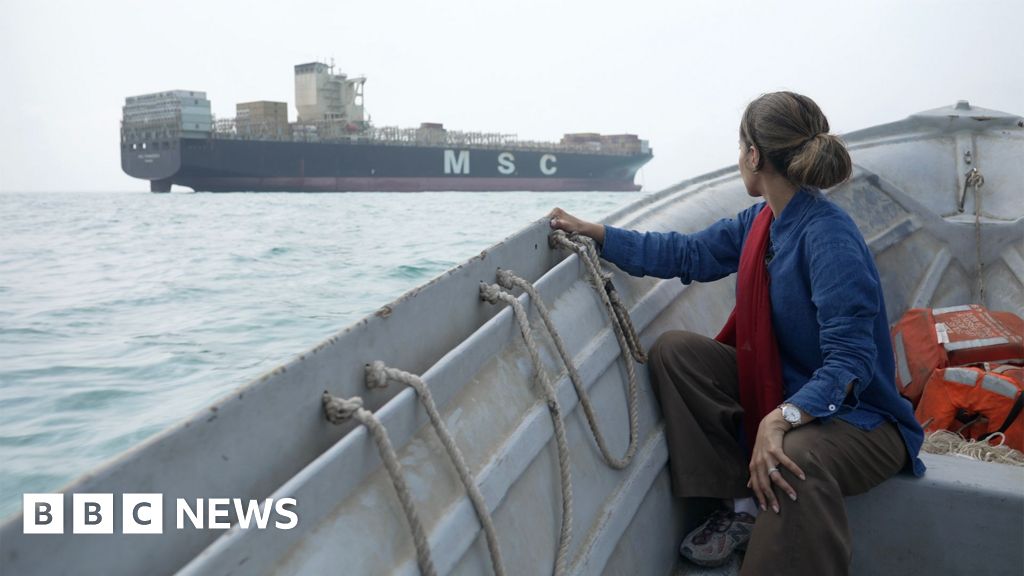
The tensions stemming from the US-Israeli conflict with Iran have significant ripple effects, particularly in the port city of Bandar Abbas. This coastal hub serves as a vital intersection for trade and culture, yet the ongoing hostilities have reshaped life for its residents in profound ways.
Impact on Daily Life
In Bandar Abbas, the repercussions of international strife are evident in the daily routines of its people. These tensions have contributed to economic instability, affecting everything from job security to the cost of living. Local markets, once bustling with activity, have seen fluctuations in supply and demand, causing prices to soar for essential goods. For many families, budgeting has become increasingly challenging as they navigate these changes.
Additionally, the social fabric of Bandar Abbas is feeling the strain. As news of military skirmishes and diplomatic failures fills the airwaves, residents experience a heightened sense of anxiety and uncertainty. Community meetings, once focused on local affairs, now frequently shift discussions to national security and the implications of foreign policies. This shift not only influences political conversations but also alters personal interactions, creating an atmosphere where suspicion and caution sometimes overshadow camaraderie.
Economic Challenges and Opportunities
The economic landscape of Bandar Abbas has also transformed in reaction to broader geopolitical conflicts. Sanctions and trade restrictions imposed by foreign governments have placed immense pressure on local businesses. Many small entrepreneurs struggle to sustain their shops amid rising costs and dwindling customer numbers. Yet, some have adapted by diversifying their offerings or finding new market niches. For instance, the demand for local goods that are not impacted by sanctions, such as artisanal crafts, has seen a resurgence as residents seek to support local economies.
Despite these challenges, Bandar Abbas remains a critical port for international shipping, allowing it to maintain some level of economic activity. The strategic location of the city means that it continues to attract attention from various nations, creating opportunities for those willing to navigate the complex political landscape. While the future remains uncertain, the resilience of the local population is evident as they continue to seek new ways to thrive amid adversity.
Community Resilience and Adaptation
The spirit of resilience defines the people of Bandar Abbas. Community initiatives have emerged, aimed at fostering solidarity among residents. Local organizations are finding ways to support vulnerable populations, such as supplying food and medical care to those unable to afford basic necessities. Through collective efforts, residents are not only addressing immediate needs but also strengthening their bonds, reinforcing a sense of unity even in challenging times.
Cultural events are another avenue through which the community showcases its resilience. Festivals celebrating local traditions encourage gatherings that uplift spirits and promote a sense of identity. These events serve as reminders of the city’s rich heritage, helping to maintain a sense of normalcy despite external pressures. As such, the people of Bandar Abbas illustrate the power of community in overcoming adversity while remaining hopeful for a more stable future.
In conclusion, the US-Israeli conflict with Iran has cast a long shadow over everyday life in Bandar Abbas. Yet, despite the strain on their daily routines, the residents continue to adapt and look toward a hopeful tomorrow. Their resilience and resourcefulness in the face of uncertainty serve as a testament to the human spirit, enabling them to navigate the challenges that lie ahead.