
An alarming incident unfolded during a recent flight from the UAE to Israel, highlighting the critical role of quick thinking and bravery in the face of danger. An Indian pilot, Captain Smit Machchhar, managed to avert a disaster after a physical altercation with his co-pilot. His remarkable actions led to the safe emergency landing of the aircraft, ensuring the safety of the passengers on board.
Emergency Response in the Cockpit
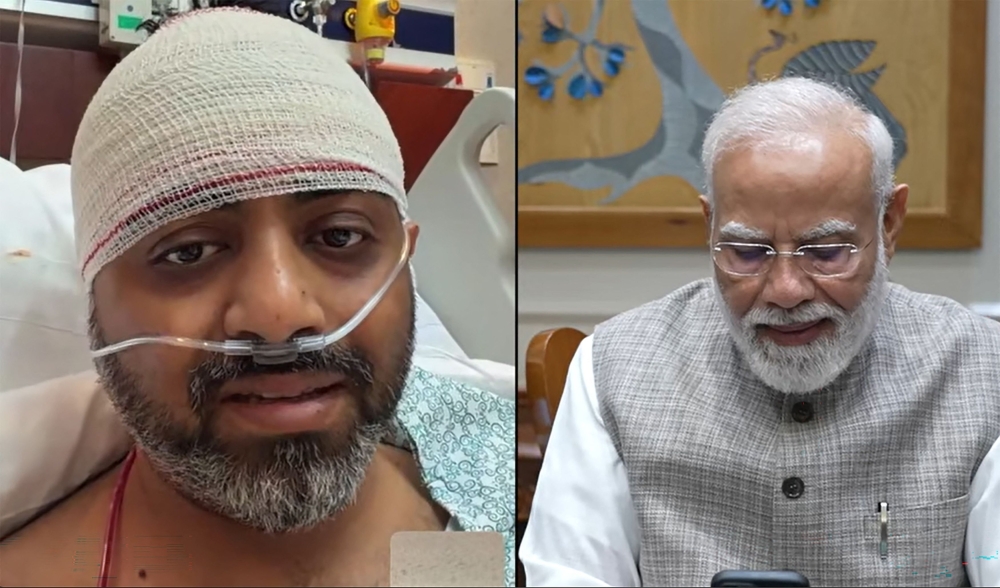
The confrontation that occurred on the flydubai flight escalated when the co-pilot assaulted Captain Machchhar. Despite sustaining injuries, he demonstrated remarkable courage and composure. Even as the plane began to steeply descend, losing approximately 17,000 feet in just a minute, Machchhar understood the urgency of the situation. In his first public statements following the incident, he recounted the critical moment when he decided to open the cockpit door. “I was being hit even then,” he recalled, “but I just opened the door, and everyone came in.” His determination allowed other crew members and passengers to regain control of the aircraft, ultimately leading to a safe emergency landing in Saudi Arabia.
The General Civil Aviation Authority of the UAE praised Machchhar and the flight crew for their quick actions. Their swift intervention played a pivotal role in managing the crisis and preventing more severe consequences. These actions reflect a high level of readiness and cooperation in addressing emergencies, essentials in aviation safety.
Reactions to the Attack
This shocking incident has not gone unnoticed by global leaders. UAE presidential advisor Anwar Gargash characterized the events aboard the flight as a “terrorist act.” Israeli Prime Minister Benjamin Netanyahu also commended Machchhar and the passengers for their heroic efforts, emphasizing that their actions undoubtedly prevented a major tragedy. Meanwhile, Indian Prime Minister Narendra Modi expressed deep gratitude for the pilot’s determination, highlighting the lives saved through his extraordinary response.
Adding to the tension, reports indicated that the co-pilot had undergone “Islamist radical indoctrination.” This raises pressing questions about the security vetting processes in place for airline personnel. The attacker, identified as an Omani national, reportedly exhibited troubling behavior, blurting out, “Kill me, kill me,” during the incident, suggesting suicidal intentions. Such alarming details raise the need for stricter background checks on pilots, particularly those flying to sensitive regions.
The Aftermath and Continued Vigilance
In the aftermath of the attack, Flydubai suspended operations to and from Israel, leaving many travelers stranded. Attempts by Israeli carriers, including Arkia and El Al, to resume flights were hindered by delays in securing necessary permissions from Emirati authorities. The first repatriation flight managed to successfully return some Israeli passengers to Tel Aviv, proving the necessity of prompt action in aviation safety and traveler welfare.
The ability to overcome adversity and crises, such as the one experienced on this flight, requires comprehensive preparation and cooperation among all parties involved. As investigations into the attack continue, it is clear that the aviation industry must prioritize safety measures and protocols to mitigate risks and ensure the safety of passengers. Both passengers and crew members performing unthinkable acts of heroism serve as a reminder of human resilience in the face of unprecedented challenges.