
A recent archaeological discovery in Egypt has unveiled a well-preserved Byzantine-era residential city located in the western desert. This find, which includes significant artifacts and human remains, aims to enhance the country’s tourism industry, a crucial economic sector.
New Discoveries at Dakhla Oasis
The Egyptian government’s announcement on Saturday highlights the excavation at Dakhla Oasis and the Marina el-Alamein archaeological site, near Alexandria, as pivotal for tourism. At the Dakhla Oasis, archaeologists have uncovered buildings that illuminate aspects of daily life during the fourth century, a period when Egypt was part of the Byzantine Empire. The excavations revealed streets aligned in a north-south and east-west orientation, creating public squares and thoroughfares. Notably, a basilica dating from the mid-fourth century was identified, along with two watchtowers designed to protect the settlement’s perimeter.
The Dakhla Oasis is positioned in Egypt’s western New Valley province and is on UNESCO’s Tentative List, which could potentially lead to its designation as a World Heritage site. Circular structures, fortified walls, and numerous houses with vaulted roofs point to a complex social structure. Among these is the residence of Tisous, a church deacon believed to have been used as a house church prior to the basilica’s construction. Additional findings include bread ovens and tools that imply food production activities, as well as well-preserved bronze and golden coins featuring Byzantine emperors, suggesting active trade and economic development during this era.
Insights from Excavation of a Greco-Roman Cemetery
In another fascinating revelation, archaeologists have also explored a Greco-Roman cemetery and uncovered a variety of artifacts alongside human remains, dating back over 2,300 years. This discovery includes the complete skeletons of two wild boars, rare finds in Egyptian burial contexts. In ancient Egyptian mythology, these animals were associated with the chaos deity Seth.
Further contributions to our understanding of the past include approximately 200 pottery fragments inscribed with everyday accounts, commercial transactions, and notes akin to private letters or laundry lists. These fragments, known as ostraca, provide a fascinating glimpse into daily routines, social interactions, and economic activities of the time.
Tombs Unearthed at Marina el-Alamein
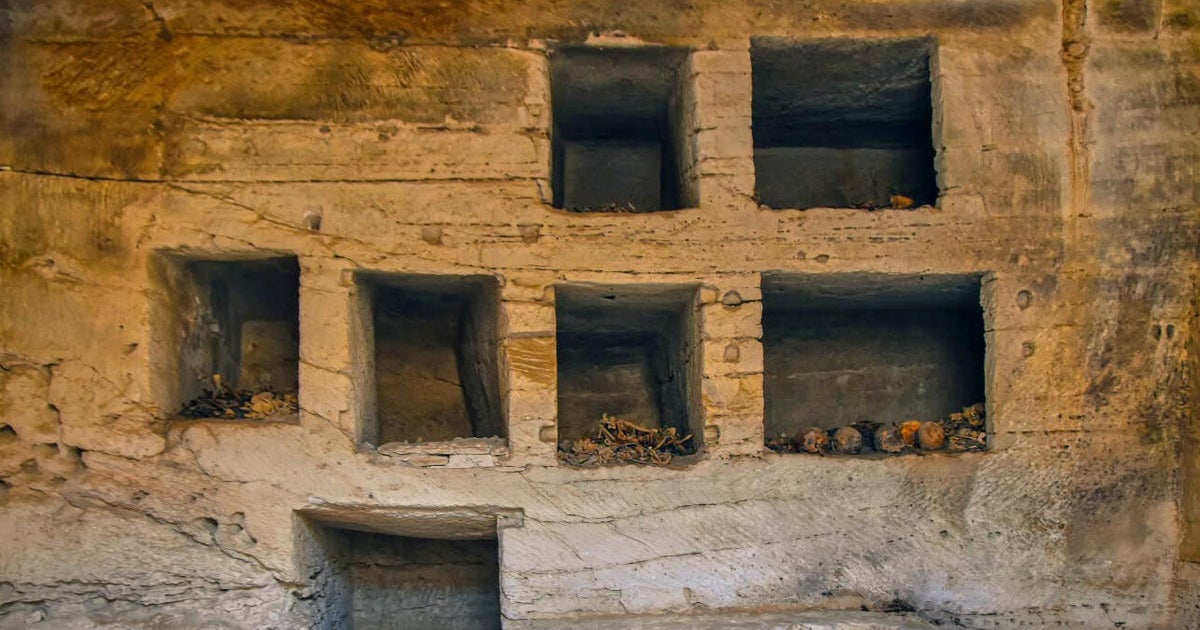
In a separate endeavor, researchers have excavated 18 ancient tombs at the Marina el-Alamein site, situated around 62 miles from Alexandria. The discoveries include a mix of rock-cut tombs and surface limestone-built structures, bringing the total count at the site to 48. Pottery vessels, lamps, altars, and other artifacts were also found, contributing to the understanding of burial practices in that region.
One notable find is a granite sarcophagus—measuring eight feet in length—containing skeletal remains currently undergoing analysis. Nearby, remnants of a plaster statue resembling a sphinx were uncovered, offering further insight into the artistic expressions and burial customs of the time. Additionally, four pieces of gold were found inside the mouths of certain deceased individuals, a practice that aligns with the funerary beliefs of the ancient Egyptians.
As a vital source of foreign currency, tourism is critical to Egypt’s economy, especially after the strain from political upheaval and the global pandemic. Recent statistics indicate a remarkable resurgence, with 19 million tourists visiting in the previous year—a 21% increase from the year before. These archaeological discoveries may further elevate interest in Egypt’s rich cultural heritage and historical landmarks, reinforcing the significance of tourism in the nation’s recovery and growth.