
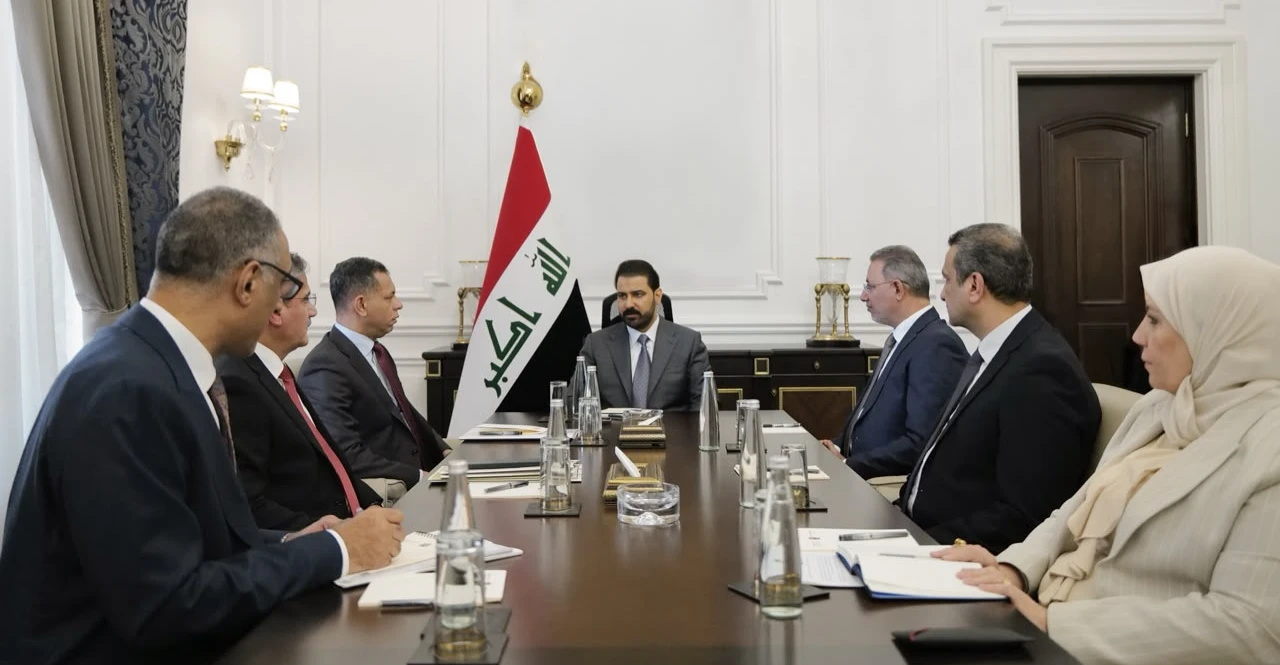
Iraqi Prime Minister Ali Faleh Al-Zaidi has implemented comprehensive anti-corruption measures aimed at all government sectors. This initiative comes just days after he launched a nationwide crackdown targeting officials, lawmakers, businessmen, and various networks linked to the misappropriation of public funds.
Strengthened Oversight and Coordination
In a decisive move, Al-Zaidi has instructed oversight agencies and law enforcement bodies to enhance their coordination efforts. The goal is to track down suspects involved in corruption cases, reclaim public funds, and set up preventive measures to bolster institutional cooperation. This comprehensive strategy aims to rehabilitate public trust in government by ensuring accountability in the use of state resources.
The Prime Minister emphasized the need for heightened intelligence and oversight to dismantle corruption networks and combat economic crimes effectively. He called for rigorous follow-ups on government directives and urged for swift action in investigations related to public fund misuse. The principle of equal application of the law has been underscored, aiming to create a fair and just system for all citizens.
Operation “Dawn Crackdown” and Initial Results
On June 28, the Iraqi government formally launched “Operation Dawn Crackdown,” a nationwide anti-corruption initiative spearheaded by Al-Zaidi. Within the first 24 hours, the operation reportedly resulted in over 67 arrests. Sources indicate that the initial phase of the operation will focus on more than 200 current and former officials, politicians, and businessmen suspected of wrongdoing.
This aggressive action against corruption signals a significant shift in Iraq’s approach to governance. It seeks not just to punish past misconduct but to deter future violations by holding high-profile individuals accountable. The public will be closely watching the outcomes of this operation, which could redefine the political landscape in Iraq.
Legal Framework and Further Actions
In line with this anti-corruption drive, Iraqi courts have lifted legal immunity from three lawmakers implicated in financial corruption cases. Additionally, Iraq’s Integrity Commission has summoned officials from a state-owned bank amid investigations into financial and administrative corruption connected to checks issued for the North Refineries Company. These legal actions demonstrate a commitment to ensuring that no one is above the law, reinforcing the notion that accountability is vital for good governance.
Prime Minister Al-Zaidi’s focus on anti-corruption represents a crucial step toward fostering a transparent and equitable environment in Iraq. By addressing systemic issues that have plagued governance for years, this initiative aims to build a more robust foundation for the country’s future development. As the situation unfolds, its impact will likely resonate across various sectors, making it a pivotal moment in Iraq’s ongoing effort to combat corruption.
In summary, Al-Zaidi’s initiatives reflect an urgent need to purge corruption from all levels of government and create a framework that protects public resources. The world will be looking at Iraq’s developments to gauge the effectiveness of these sweeping reforms.