
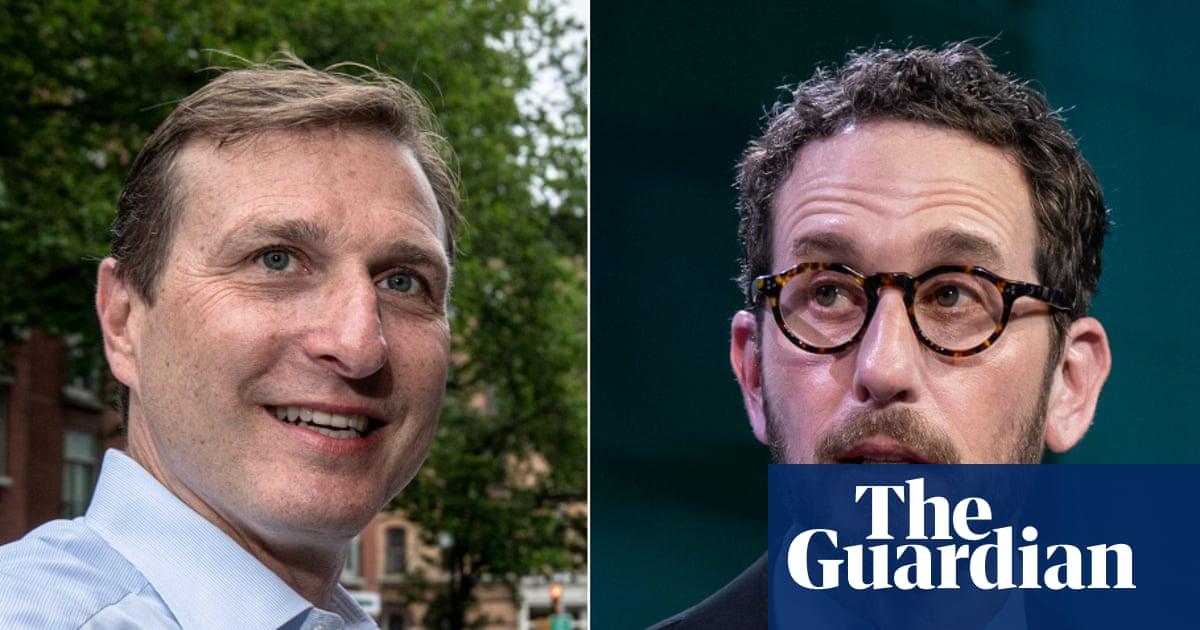
The recent upheaval surrounding U.S. congressional candidates has drawn significant attention, revealing how deeply the Israel-Palestine conflict is influencing American politics. Two separate incidents have exposed the volatile dynamics in which public figures navigate heightened activism amidst a complex geopolitical landscape. What began as protests aimed at promoting awareness have quickly escalated into confrontations that overshadow their intended messages.
Escalating Tensions in California
In California, Scott Wiener, a Jewish state senator known for advocating LGBTQ+ rights, experienced a tumultuous incident during San Francisco’s annual trans pride march. Wiener had to leave the event after being confronted aggressively by a group of activists upset with his stance on Israel’s actions in Gaza. The altercation, documented on social media, showcased the intensity of the protest against his perceived complicity in what many critics describe as injustices against Palestinians. “I have no objection to disagreement, but harassment crosses a line,” Wiener articulated, emphasizing the importance of civil discourse.
The confrontation sparked widespread criticism, not just from the public but also from fellow politicians, including Nancy Pelosi and Wiener’s primary challenger, Connie Chan. Their support highlights a growing divide in how candidates align themselves with—or against—issues tied to the ongoing conflict. This incident has raised questions about the effectiveness and ethics of aggressive protest tactics, indicating a potential shift in how political dissent is perceived in liberal circles.
Backlash in Brooklyn
In New York, another incident caught national attention. A Brooklyn café announced through a now-deleted social media post that they would refuse service to Congressman Dan Goldman due to his support for Israel. This decision ignited accusations of antisemitism and spurred an investigation by the U.S. Justice Department for potential discrimination. Goldman, who has faced scrutiny for his pro-Israel positions, expressed disappointment over the situation but urged that such resources could be better utilized addressing antisemitism faced by those without a significant platform.
This controversial moment also underscores a significant political shift within the Democratic Party, where unwavering support for Israel is increasingly viewed as a liability rather than a political asset. The changing tide was starkly illustrated when Goldman lost his primary election to Brad Lander, who was more critical of Israeli policies. Many observers are noting that the once-unstoppable endorsement of Israel may no longer guarantee electoral success.
Divisions Among Activists
Despite the backlash against Wiener and Goldman, discussions have emerged about the broader context of activism. Certain Jewish groups argue that the intense reactions directed towards these politicians may distract from the critical issues affecting Palestinians. Activists emphasize the potential misdirection of outrage, which could be better focused on the dire humanitarian crisis in Gaza, rather than confrontations with individual politicians.
Many within the activist community, including those from organizations like Jewish Voice for Peace, suggest that the dialogue needs to shift towards examining broader humanitarian concerns rather than targeting specific individuals. They argue that the complexities of U.S.-Israeli relations must be navigated with care, as aggressive protests may alienate potential allies rather than cultivate meaningful discussions.
The Emerging Political Landscape
These incidents mark a pivot in the political landscape, where once-sacrosanct support for Israel is increasingly scrutinized within progressive circles. Activists and commentators alike are recognizing that the traditional parameters of acceptable political discourse are changing dramatically. The recent confrontations signify a litmus test for politicians, compelling them to navigate an increasingly complex environment.
As the impact of these confrontations reverberates through political channels, one thing is clear: the intersection of domestic politics and foreign conflicts is far more intricate than it has been in recent decades. The response to these incidents by lawmakers, activists, and constituents will undoubtedly play a critical role in shaping the future of U.S. policies regarding Israel and Palestine, as well as the strategies employed by political candidates in the ever-evolving electoral landscape.