
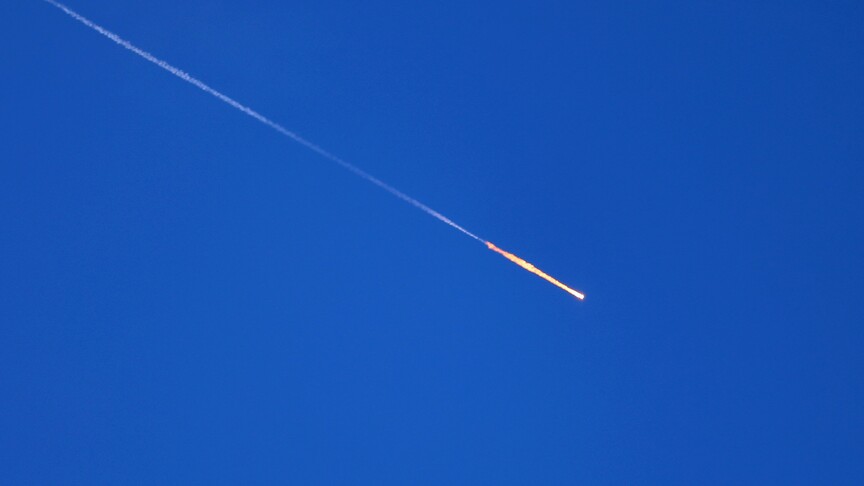
Iran’s recent missile strikes on commercial vessels in the Strait of Hormuz have escalated tensions in an already volatile region. First reported on July 6, 2026, these incidents have drawn immediate responses from the international community, raising concerns about maritime security and potential military retaliation.
Missile Strikes Target Commercial Shipping
Late Monday, the Islamic Revolutionary Guard Corps (IRGC) launched at least two missiles at commercial ships navigating through the strategic Strait of Hormuz. This vital waterway is crucial for global oil transportation, making any disruption particularly alarming. According to a report from Axios, US officials indicated that American forces may consider retaliatory strikes against Iranian targets in response to these provocative actions.
Reports from Iran’s state media suggest that a Qatari oil tanker, while seeking to navigate the Omani route with the support of the US Navy, was targeted after allegedly disregarding multiple warnings. This assertion adds layers to the already complex narrative, highlighting the volatile interplay between military readiness and commercial navigation in the region.
Incident Report and Official Warnings
Following the missile attacks, the UK Maritime Trade Operations (UKMTO) center confirmed that a tanker had been struck off the coast of Oman. The impact resulted in a fire aboard the vessel, heightening the risk to other shipping traffic in the area. UKMTO reported that the incident took place approximately eight nautical miles east of Limah. The agency issued a warning notice stating, “A tanker has reported being hit by an unknown projectile on the port side causing a fire while traveling southbound.”
Investigations into the incident are currently underway, and the UKMTO has urged vessels operating in the vicinity to maintain heightened vigilance. They emphasized the importance of reporting any suspicious activities to enhance safety protocols. Fortunately, there have been no reported casualties or environmental damages associated with the missile strikes, a small solace in a tense situation.
Global Impact and Concerns Ahead
The escalation of hostilities in the Persian Gulf is likely to have significant ramifications not only for regional security but also for global oil markets. As tens of millions of barrels of oil pass through the Strait of Hormuz daily, disruptions can lead to steep fluctuations in prices, affecting economies worldwide.
Furthermore, the response from the US will be closely watched, as any military action could lead to further escalations. The international community, including key players like the European Union and regional partners, will need to navigate this precarious situation with caution. Therefore, the coming days will be critical in determining the trajectory of this conflict and its broader implications on global stability and trade routes.
As these events unfold, the focus will remain on ensuring maritime safety and maintaining open lines of communication among nations. With the Strait of Hormuz being a critical artery for trade, any further hostilities could have a far-reaching impact on both security and commerce.