
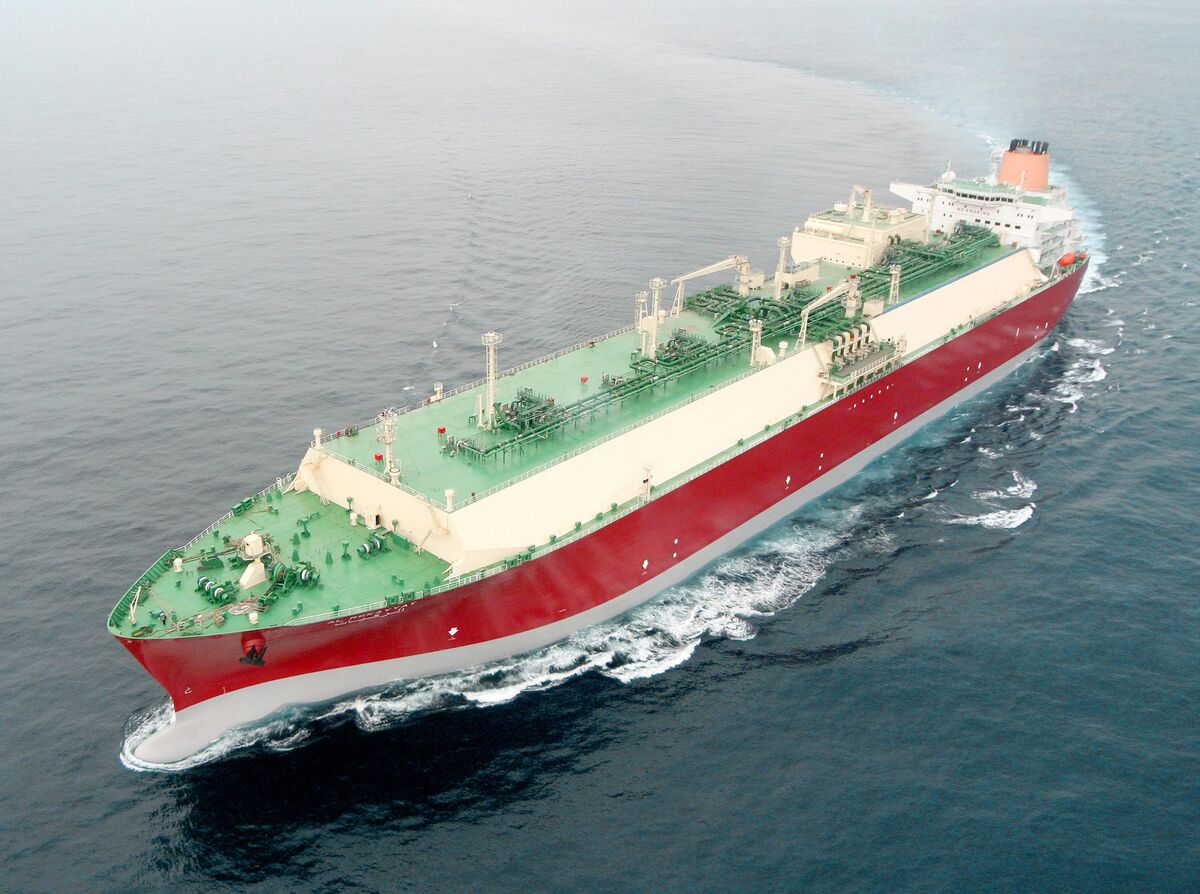
A recent incident involving a liquefied natural gas (LNG) carrier near the Omani coast has sparked significant concern among maritime operators. The vessel was struck by a projectile while navigating out of the strategically vital Strait of Hormuz. This alarming event raises questions about safety in one of the world’s most crucial shipping lanes and challenges existing agreements aimed at curbing maritime hostilities between the US and Iran.
Incident Overview
A liquefied natural gas carrier experienced a direct hit from a projectile as it sailed away from the Strait of Hormuz. This region, critical for the transportation of energy resources, has long been a flashpoint for geopolitical tensions. The attack not only poses immediate risks to crew and cargo, but it also amplifies worries about the region’s stability. For shipowners and operators, this incident serves as a stark reminder of the vulnerabilities present in maritime routes that are crucial for global trade.
Geopolitical Implications
The Strait of Hormuz is a pivotal passage for oil and gas shipments, accounting for a substantial percentage of the world’s petroleum supply. As such, any increase in hostile actions can significantly impact shipping costs and freight rates. The attack on the LNG carrier could have a ripple effect on global energy markets, as stakeholders reassess the security of this vital corridor. Maritime insurance rates may surge due to heightened risks, ultimately influencing the operational costs for shipping companies.
In light of the attack, the efficacy of the US-Iran agreement aimed at reducing hostilities in the region will also be scrutinized. The precarious nature of this relationship complicates the dynamics surrounding maritime security and raises concerns about future compliance with such agreements. As tensions escalate, both sides will likely revisit their strategies to safeguard their interests, which may further destabilize the area.
Responses from Shipowners and Authorities
Following the incident, shipowners are expected to increase their security measures and reassess their operational protocols. Enhanced vigilance will become paramount, as the ramifications of lax security could be severe. Operators may explore alternative routes or bolster their maritime defenses to ensure the safety of their vessels and crew.
Authorities in both the US and Oman must respond swiftly to reassure maritime stakeholders. Diplomatic channels could be leveraged to de-escalate tensions and promote safer passage through the Strait of Hormuz. Collaborative efforts among countries reliant on this corridor will be crucial in ensuring that shipping remains uninterrupted and secure, despite the rising threat of aggression.
Conclusion
The striking of the LNG carrier marks a worrying escalation in maritime violence, prompting urgent discussions about safety in the Strait of Hormuz. With geopolitical stakes so high, the ramifications of this event could shape not only shipping operations but also global energy markets. As shipowners and authorities navigate this precarious landscape, a concerted effort will be required to restore confidence in maritime safety and work towards a more stable environment in the region. The incident serves as a clear indicator that vigilance and cooperation will be essential moving forward to protect one of the world’s busiest shipping routes.