
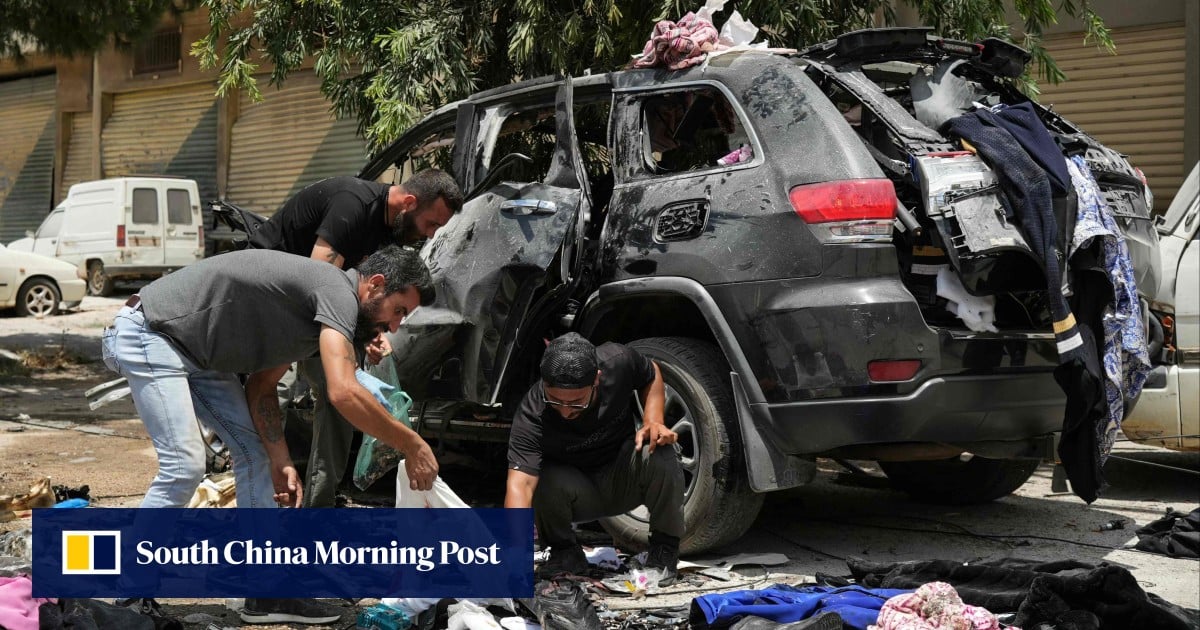
On Monday, an Israeli drone strike in southern Lebanon resulted in the deaths of four individuals, a tragic event that occurred amidst an ongoing ceasefire between Israel and Hezbollah. The incident has raised significant concerns about the fragile nature of the truce and the impact on civilians caught in the crossfire.
Details of the Attack
According to Lebanon’s National News Agency (NNA), the victims included a school principal, her mother, a foreign domestic worker, and a male Syrian laborer. They were struck by the drone while returning from visiting their family home in Nabatieh al-Fawqa. The targeted vehicle was apparently identified by Israeli military forces, who claimed they were responding to perceived threats in the area.
Israel’s Justification for Military Action
In its defense, the Israeli military stated that they executed a “precise strike” because they had identified four individuals approaching a zone under Israeli control, which they deemed a potential threat. Despite claims of targeting Hezbollah operatives, this incident highlights the complications surrounding the enforcement of the ceasefire, as Israel has conducted intermittent strikes in southern Lebanon—particularly targeting the Nabatieh region—despite the ongoing truce.
Reaction from Hezbollah and the Lebanese Government
Hezbollah lawmaker Ihab Hamade condemned the airstrike, labeling it a “heinous crime against civilians.” He emphasized that the Lebanese state bears significant responsibility for this tragedy. The accusations of ceasefire violations have been mutual, with both Israel and Hezbollah blaming each other for undermining peace efforts. This rhetoric serves to intensify the already volatile atmosphere in the region.
Broader Implications for the Region
The incident raises severe questions about the longevity of the ceasefire between Israel and Hezbollah, revealing the precarious balance of power in the area. Civilian casualties in strikes such as these not only exacerbate tensions but also challenge the credibility of both local governments and international mediation efforts. As the cycle of violence continues, the safety of civilians remains in jeopardy, complicating future negotiations for peace.
The situation underscores the urgent need for diplomatic intervention and a reevaluation of military strategies by both parties to prevent further loss of life and to pave the way for a sustainable resolution to the ongoing conflict in the region.