
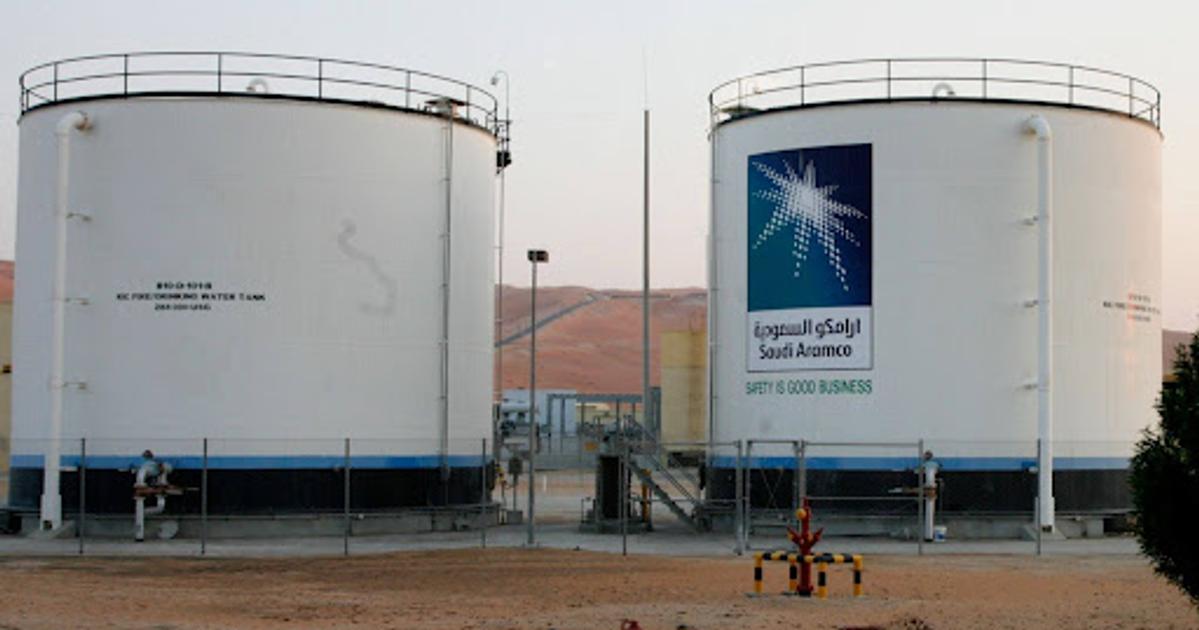
Saudi Arabia has made a significant reduction to its primary crude oil prices for Asian markets as it seeks to strengthen its position amid increasing competition. This shift comes in the backdrop of renewed oil flows through the Strait of Hormuz and the decision by OPEC+ to increase production levels, which has heightened rivalry among oil suppliers for key buyers in Asia.
Impact of Price Cuts on Competition
In response to the price drop, Asian buyers have pointed out that Saudi oil is still pricier compared to alternatives offered by other regional producers. According to Bloomberg’s reporting, this scenario could potentially lead to further price reductions in the near future. The anticipation of oversupply looms large, especially as China has not yet resumed significant oil imports, raising concerns that the market may be flooded with excess crude.
Market Analysis and Perspectives
Amidst these developments, one industry expert has indicated that the recent price reductions may not be a precursor to a broader price war but rather a reflection of the ongoing adjustments in the market, especially regarding the normalization of oil flows through Hormuz. They noted that this competitive pricing strategy could potentially reignite interest among Chinese buyers, who have been hesitant to commit to large-scale imports recently. The expert’s assessment suggests that fears surrounding oversupply in the global oil market may be exaggerated, indicating a more complex picture for future supply and demand dynamics.
Future Outlook
According to insights from global energy consultants, the complete return of oil supply to pre-pandemic levels may not happen until as late as 2027. This perspective sheds light on the potential for continued volatility in the oil market, as countries adjust to shifting demand and production levels. With Saudi Arabia’s strategic reductions, the anticipation of an ongoing tug-of-war for market share among suppliers remains palpable, shaping the future of crude oil pricing and availability.
As Middle Eastern oil states maneuver through this competitive landscape, the implications for global oil pricing, particularly in Asia, will be critical. Stakeholders—ranging from producers to consumers—must stay vigilant in monitoring these developments, as they will undoubtedly influence the broader energy market in the months and years to come.
In conclusion, Saudi Arabia’s recent price adjustments signal a crucial period of adaptation to global supply and demand changes. While the immediate implications involve heightened competition among oil producers, the long-term landscape will be shaped by various factors, including geopolitical developments and consumer behavior in key markets like China. In a complex world shaped by energy dynamics, strategic decision-making will be essential for all players involved.