
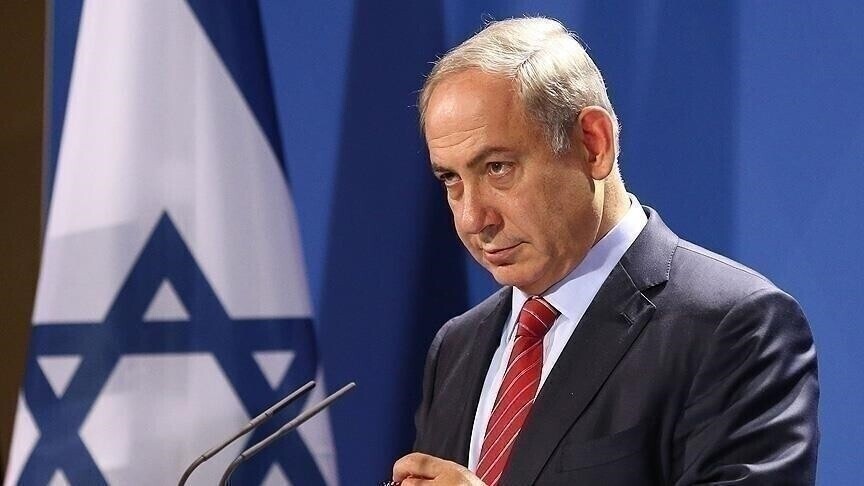
In recent months, the southern border communities of Lebanon have faced increasing pressure amid ongoing tensions with Israel. Local leaders and residents are voicing their steadfast commitment to their Lebanese identity, firmly rejecting claims made by Israeli Prime Minister Benjamin Netanyahu. These statements underscore the resilience of communities that have endured hardship and adversity in their fight to maintain their national integrity.
Reaffirming National Identity
In response to Netanyahu’s assertions that some Christian-majority villages in southern Lebanon sought annexation by Israel for protection against Hezbollah, local mayors, clergy, and community leaders have come together to issue a united statement. This declaration emphasizes their unwavering loyalty to the Lebanese state, dismissing the Israeli Prime Minister’s comments as “fabricated and completely detached from reality.” They assert that the residents of these border regions view Lebanese sovereignty as the only legitimate framework for their lives, despite the ongoing challenges posed by Israeli military actions.
Residents are clear in their stance: “We are proud of our national belonging, and we hold firmly to Lebanon as our homeland.” This sentiment has been echoed by officials, who highlight their commitment to remaining within Lebanon, reinforcing their identity, and rejecting any attempts to disrupt social cohesion. The unified response has been hailed by Lebanese Parliament Speaker Nabih Berri, who warns against Israeli strategies aimed at exacerbating internal divisions.
A Strong Community Stance
The local leaders emphasize their reliance solely on the Lebanese army for protection, refuting any notion that they would seek sovereignty under foreign control. Al-Qlayaa Mayor Hanna Daher notably stated, “The Lebanese flag cannot be replaced by any other flag.” Echoing this sentiment, Father Antonios Eid Farah from St. George Parish asserted that Christians in southern Lebanon have no desire for fragmentation. He emphasized, “Our identity is Lebanese,” reflecting the commitment of these communities to live peacefully within their homeland.
Further asserting this point, Father Gregorios Salloum remarked on the unwavering dedication of Christian communities to Lebanon, insisting they would not accept any external imposition of decisions regarding their future. Advocates like Fouad Abu Nader of the Noursat network argue that Netanyahu’s comments are part of a larger psychological initiative aimed at weakening Lebanon’s internal cohesion. He stressed, “Christians believe their future is in Lebanon and nowhere else,” highlighting the importance of communal strength amidst adversity.
Challenges Faced by Border Communities
The backdrop of this political conflict is a deteriorating humanitarian situation throughout southern Lebanon, where residents are struggling against a relentless cycle of violence and isolation. Continuous Israeli bombardments, military occupation, and blocked access have further compounded their hardships. Essential agricultural activities have been disrupted, as farmers are cut off from their fields, leading to significant losses in livestock and crop yields.
Conditions in the border villages are increasingly dire, with Mayor Daher describing the situation as “tragic.” Families have been forced to live under constant strain while losing access to vital resources for their livelihoods. He has called upon Lebanese authorities and the UN Interim Force in Lebanon (UNIFIL) for intervention to secure essential routes that connect these communities to the broader country.
As displacement concerns loom large, Abu Nader warns of the national implications should the Christian villages near the border become vacant. “If these villages are emptied of their residents, there is a real danger to the Lebanese identity of the land,” he cautioned. Additionally, community leaders like Farah insist that humanitarian efforts must extend beyond mere emergency food aid, encompassing support for educational institutions and economic revitalization as essential measures for these communities to endure.
The ongoing conflict has led to immense casualties, with the Lebanese Health Ministry reporting thousands of fatalities and displacements since the onset of recent hostilities. Despite international frameworks aimed at establishing a resolution, tensions continue to persist as Israeli forces maintain control over parts of southern Lebanon. The resilience and dedication of these communities to their Lebanese identity amidst such challenges serves as a powerful testament to their enduring spirit and desire for peace.