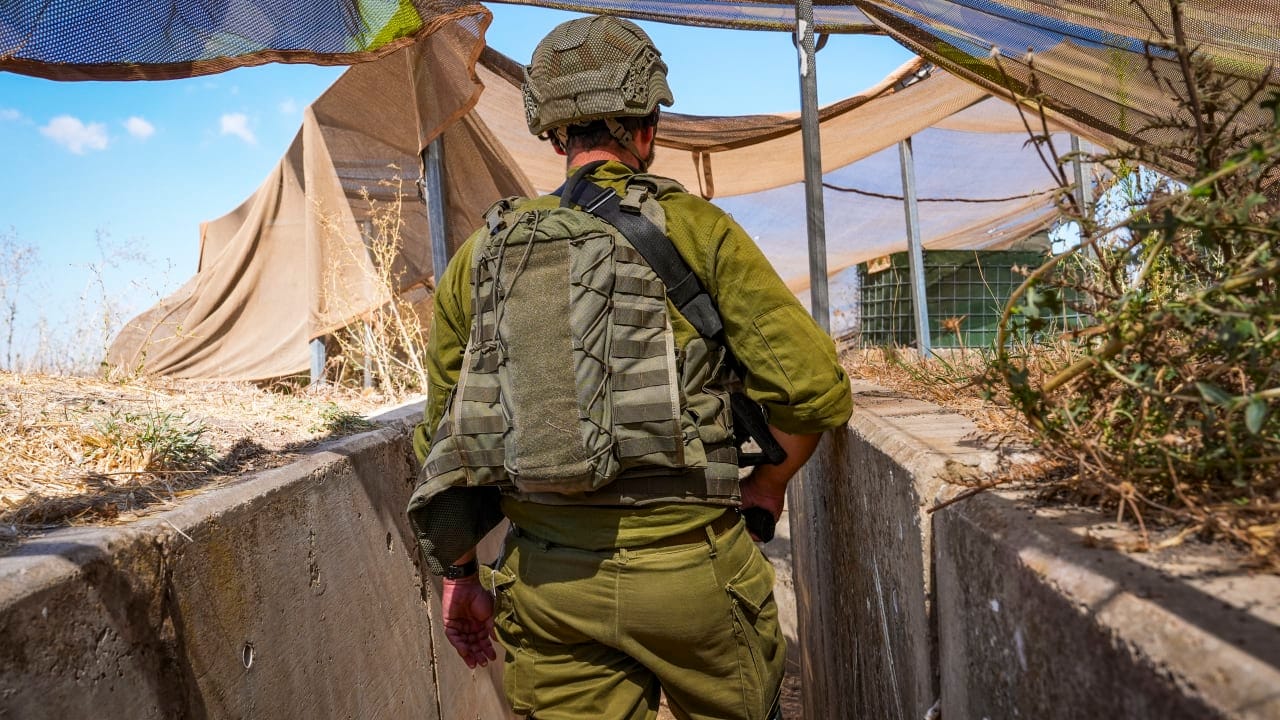
Syria has voiced strong objections to Israel’s frequent military operations taking place along the Golan border. Reports from Syrian state media outlet SANA have indicated that the Syrian government condemned these continuous incursions by Israeli forces into regions like Quneitra and the Daraa countryside, highlighting a recent uptick in military aircraft activity over southern Syria, including helicopters and reconnaissance planes.
### Tensions Escalate in the Region
The Golan Heights region has been a focal point of military activity since the fall of the Assad regime. Israel has maintained a presence in this strategically important area, refusing to retreat from positions it seized in late 2024, including the prominent Mount Hermon. Initially, the Syrian government remained relatively muted regarding Israel’s military movements, but recent statements reflect a growing determination to address these provocations.
### Broader Regional Concerns
Israel’s backing of the Druze community in Suwayda has sparked additional tension, raising concerns about their aspirations for autonomy. Other nations in the Middle East have joined Syria in denouncing Israel’s role at the border, indicating a wider geopolitical dimension to these conflicts. SANA has reported that Syria’s Ministry of Foreign Affairs has described Israeli actions as blatant violations of its sovereignty, threatening the safety and security of its citizens and undermining long-term peace in the region.
### Security Challenges in Southern Syria
The power vacuum near the Golan has led to increased fears of destabilization in southern Syria. Potential threats include the resurgence of extremist groups like Hezbollah and ISIS, prompting Syria to take action against these emerging risks. However, with limited resources, the Syrian government relies on its Interior Ministry to manage police operations in the area, as Israel demands a demilitarized zone along the border, complicating security efforts.
### Calls for International Intervention
Syria has urged the international community to take action against Israel’s military incursions. The government has stated that adherence to international law and United Nations resolutions is essential for reducing regional tensions and creating an environment conducive to security and stability. By ramping up its criticism of Israeli actions, Syria likely hopes to solicit diplomatic intervention from other nations, particularly the United States, to mitigate the impact of these raids on the lives of ordinary citizens.
The Israeli Defense Forces (IDF) typically do not comment on their operations in Syria. However, they have previously indicated that their military activities aim to neutralize immediate threats perceived against Israel’s security. For example, on October 10, an IDF spokesperson noted strikes against individuals purportedly conducting terrorist activities under Iranian influence.
### Diplomatic Efforts and Regional Rivalries
Recent calls from Syrian Foreign Minister Asaad Hassan al-Shaibani for the withdrawal of Israeli forces have drawn attention. His remarks pointed to the need for compliance with the 1974 Disengagement Agreement, highlighting the ongoing challenges of achieving a diplomatic resolution. Additionally, Israel’s military actions, such as the strike on the Abu al-Duhur airbase in Idlib province, have elicited strong reactions from Syria, further complicating their already tenuous relationship.
Despite these conflicts, both Israel and Syria participated in U.S.-mediated discussions in August aimed at reducing military friction and exploring potential security agreements. However, issues surrounding military deployments and respect for Syrian sovereignty continue to hinder diplomatic progress, leaving the region in a state of uncertainty.
In summary, the volatile dynamics at the Golan border underscore the complex interplay of military, political, and social factors in the region. With Syria actively seeking international support and Israel maintaining its military posture, the quest for stability continues to be a challenging endeavor for all involved.