
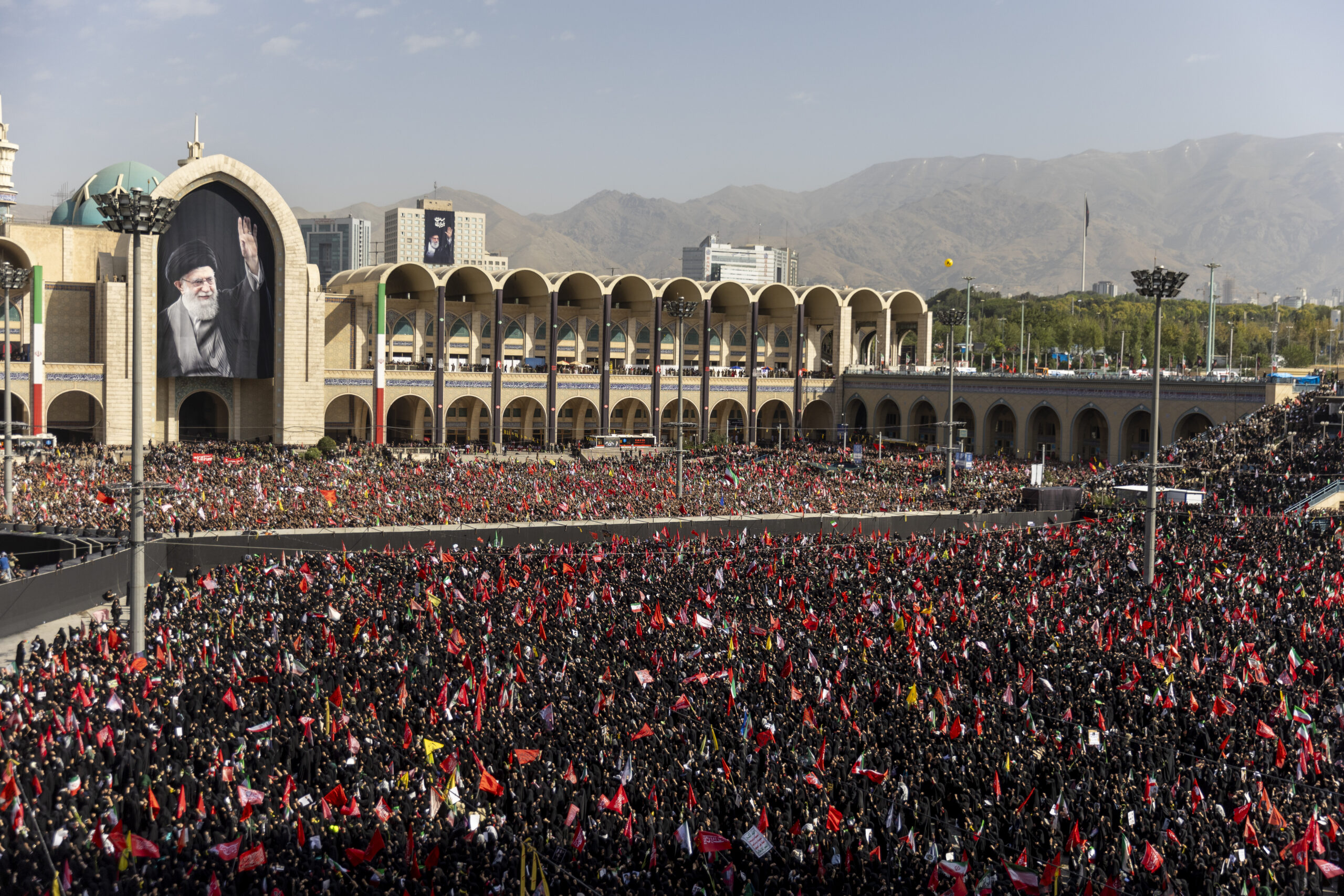
The recent funeral of Iranian Supreme Leader Ayatollah Ali Khamenei has sparked considerable international attention, especially given the geopolitical tensions in the region. While several nations, including Qatar, Saudi Arabia, India, China, and Turkey, sent representatives to pay their respects, the United Arab Emirates and Kuwait notably chose to abstain from attending. This event serves as a focal point for discussions surrounding Iran’s influence and the broader implications for regional stability.
Attending Dignitaries and Absentees
The ceremonies commenced on a Friday and are scheduled to take place across multiple cities in Iran and Iraq, culminating in Mashhad, where Khamenei is set to be laid to rest on Thursday. Despite the heavy attendance of international representatives, the absence of Kuwait and the UAE draws attention, particularly after the intense military conflict that left these nations impacted by Iranian forces. This selective participation underscores the ongoing rifts and complex alliances in the Middle East.
Insights on the Khamenei Family
Although three of Khamenei’s brothers were present, Mojtaba Khamenei, who has assumed leadership following his father’s death, has remained out of public view, reportedly due to injuries sustained during the conflict. His absence raises questions about the future leadership dynamics within Iran and the potential reorganization of power among the ruling elite. Meanwhile, IRGC Commander Ahmad Vahidi made his first public appearance since hostilities began, sitting beside Khamenei’s casket, signifying the military’s support for the new leadership amidst the ongoing turmoil.
Global Reactions and Future Implications
Amid the funeral proceedings, U.S. President Donald Trump expressed the potential for a strategic strike against Iranian leadership during the gathering. His comment reflects a broader apprehension surrounding Iran’s leadership at a time fraught with conflict and uncertainty. As diplomatic talks between the U.S. and Iran are anticipated to resume after the event, the situation remains delicate, and the international community is watching closely.
Symbolism and Alliances in Attendance
An interesting array of figures participated in the ceremonies, including Lebanese Defense Minister Michel Menassa and representatives from Iranian-backed Hezbollah, highlighting Iran’s continued regional influence. Additionally, Hamas sent a delegation, underscoring connections with Palestinian groups, while Russia dispatched former President Dmitry Medvedev as a special envoy. Pakistani Prime Minister Shehbaz Sharif’s presence as a mediator between Iran and Washington also conveys the critical role he plays in fostering dialogue and stability in the region.
As the world reflects on Khamenei’s legacy and the implications of his absence, the geopolitical chess game in the Middle East continues to evolve. The funeral not only marks a significant moment in Iran’s history but also acts as a catalyst for future discussions and power shifts in an already volatile landscape. The coming days will be instrumental in shaping Iran’s political trajectory and its relationships with regional and global players.