
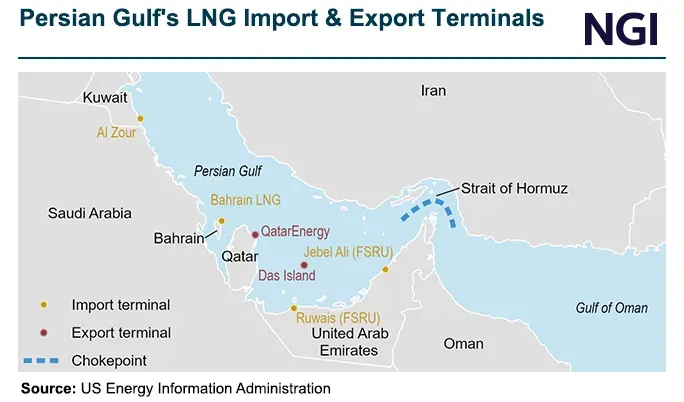
Iran recently targeted and caused significant damage to a liquefied natural gas (LNG) tanker in the Strait of Hormuz. This incident marks the first strike since the outbreak of conflict in the Persian Gulf earlier this year, resulting in an uptick in natural gas prices worldwide. This development not only affects the immediate region but also has pronounced implications for global energy markets.
Understanding the Incident
The attack on the LNG tanker signifies a disturbing escalation in tensions within the strategically crucial Strait of Hormuz. This waterway is a vital passage for a substantial portion of the world’s oil and gas supplies, and any disruption here can lead to widespread economic repercussions. In recent months, the geopolitical landscape has become increasingly fraught, making such incidents more likely.
Initial reports indicated no casualties were reported from the attack, which may have mitigated immediate fears of a larger conflict. However, the impact on shipping activities has already been felt, with crossings through the Strait becoming noticeably slower. As vessels navigate these heightened tensions, the cost implications for shipping and transportation are likely to ripple through supply chains.
Impact on Natural Gas Prices
The LNG tanker attack has triggered a dramatic increase in natural gas prices globally. Market reactions to geopolitical disturbances in energy-rich regions often lead to volatility, and this incident is no exception. Traders are closely monitoring the situation, with prices fluctuating based on the perceived risks associated with further escalations.
Investors and analysts are particularly cautious as they watch developments unfold. Higher natural gas prices can lead to increased operational costs for industries reliant on this energy source, prolonging inflationary pressures in economies already facing supply chain challenges. As the situation evolves, the implications for energy markets could extend beyond immediate price increases.
Future Implications
The long-term ramifications of this attack on the LNG tanker could set a precedent for future maritime security issues in the region. If Iran continues to assert its influence through such aggressive actions, shipping routes in the Persian Gulf may become increasingly vulnerable. This could prompt nations to reevaluate their energy security strategies, possibly leading to increased military presence in the area or investments in alternative energy sources.
Furthermore, nations around the globe may call for diplomatic efforts to de-escalate tensions in the Strait of Hormuz. The need for a comprehensive approach to ensure maritime security and stable energy supplies will be paramount.
Conclusion
Iran’s attack on the LNG tanker is a profound reminder of the fragility of energy security in volatile regions. With the world increasingly dependent on reliable energy supplies, developments in the Strait of Hormuz will likely continue to influence global markets. As stakeholders respond to these new challenges, the balance between security and energy supply will remain a critical focal point in the coming months.