
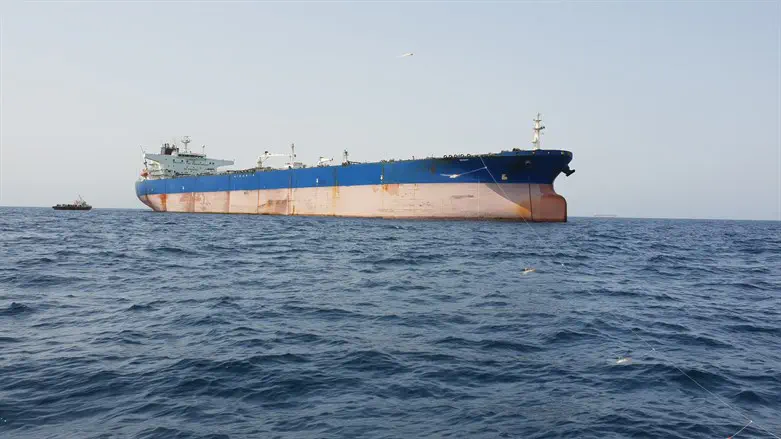
The United Arab Emirates is embarking on an extensive infrastructure initiative to reduce its reliance on the Strait of Hormuz, even as optimism grows over the potential reopening of this vital maritime route following a peace agreement with Iran and the United States.
UAE’s Vision for Less Dependency
UAE Minister of Foreign Trade, Thani Al Zeyoudi, emphasized the nation’s proactive stance in a recent interview with Bloomberg. He stated, “We are moving toward achieving a zero dependency on Hormuz, and this is independent of its operational status.” The intent is clear: while the UAE is hopeful for a swift reopening of the strait, it is simultaneously pursuing a long-term strategy that pivots towards alternative routes.
Expansion of Eastern Ports
A core component of this ambitious plan involves a significant enhancement of the UAE’s eastern ports, specifically in Dibba, Fujairah, and Khor Fakkan. These ports, positioned on the Gulf of Oman, lie outside the confines of the Strait of Hormuz. Al Zeyoudi further indicated that at least one more harbor will be constructed along this coastline, bolstering the UAE’s resilience against reliance on Hormuz.
Alongside port upgrades, the initiative will also incorporate the construction of new pipelines, railways, and roads that will enhance connectivity between these ports and the UAE’s oil and gas terrains. These infrastructural improvements are essential for optimizing the flow of petroleum products, ensuring that supply chains remain intact irrespective of geopolitical challenges.
Accelerated Pipeline Developments
Reports reveal that the UAE is fast-tracking the development of a second pipeline, aimed at doubling crude oil export capabilities through Fujairah. Additionally, discussions are underway regarding a potential third pipeline, while officials are examining various strategies to bolster exports of petrochemicals, LNG, and other critical energy products. Although specific cost estimates and completion timelines were not disclosed, Al Zeyoudi hinted that these projects would necessitate investments totaling billions of dollars.
The recent closure of the Strait of Hormuz during ongoing conflicts underscored the strategic significance of this waterway for international trade. Despite these disruptions, the UAE successfully transported some crude oil via an existing pipeline to Fujairah and increased the usage of its eastern ports, maintaining cargo flows despite geopolitical tension.
Challenges and Future Directions
However, rerouting exports—particularly liquefied natural gas (LNG) and aluminum—away from the strait poses more substantial challenges than merely adjusting crude oil shipments. Furthermore, the UAE still heavily relies on Gulf ports like Jebel Ali and Khalifa Port for its imports, leading to potential increases in transport expenses if more cargo is diverted to eastern ports. Al Zeyoudi noted that improved rail infrastructure would mitigate these costs, facilitating Jebel Ali and Khalifa Port’s vital role as key redistribution hubs.
During the recent conflicts, the UAE also turned to air freight and rechanneled some cargo through ports in nations like Egypt and India as a means to sustain supply chains. In a statement released this week, the UAE reiterated its desire for the Strait of Hormuz to reopen, emphasizing the critical need for uninterrupted maritime traffic. The nation highlighted that ensuring the seamless flow of goods is essential for fostering security, stability, and economic prosperity at both regional and global levels.