
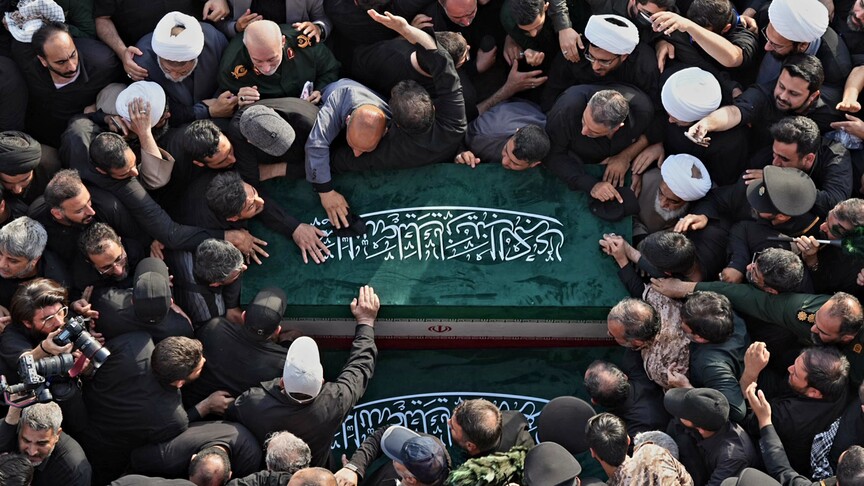
On July 7, 2026, the body of Iran’s late Supreme Leader, Ali Khamenei, was transported to Najaf, Iraq, marking the beginning of a significant funeral procession, as reported by Iranian state television. This event has garnered substantial attention, both in the region and globally, as it embodies a pivotal moment in Iran’s political landscape.
Funeral Procession Overview
The arrival of Khamenei’s coffin in Najaf represents the first leg of a procession that will navigate through various Shia holy sites located in both Iran and Iraq. This journey is vital for his followers and seeks to pay homage to the late leader. The procession is designed to reflect Khamenei’s influence and status within Shi’ism, signaling a moment of collective mourning across Iran and the Shia world.
Final Resting Place
The funeral procession will ultimately conclude at the Imam Reza shrine in Mashhad, Khamenei’s hometown, where he is expected to be laid to rest on July 9. This shrine is of paramount importance to millions of Shia Muslims and will serve as a fitting final resting place for a leader who played a significant role in shaping Iran’s recent history. The choice of this site underscores the intertwining of Khamenei’s legacy with both religious and national identity.
Impact of Khamenei’s Death
Khamenei’s death marks a critical juncture for Iran, following the US-Israeli strikes that led to his assassination beginning on February 28. The attacks initiated a series of retaliatory actions from Tehran, targeting not only Israel but also Gulf nations that harbor US military assets. The geopolitical implications of these events are profound, as they mark an intensification of hostilities within an already volatile region.
Nationwide Response
In the wake of Khamenei’s assassination, Iran’s societal landscape has seen a surge of reactions ranging from grief to rage. Many Iranians have taken to the streets to express their misgivings regarding foreign intervention and to honor the memory of a leader whose tenure was marked by a commitment to anti-Western rhetoric. This period of mourning is not just a farewell to a leader but also an indication of the enduring sentiments among the Iranian populace regarding their national sovereignty and identity.
As Iran navigates through this challenging period, the legacy of Ali Khamenei will undoubtedly continue to influence the nation’s political and social dynamics, igniting discussions about the future of its leadership and policies in the face of external pressures. The culmination of this funeral procession will not only represent a final goodbye but will likely serve as a defining moment for both Iran and its regional counterparts in the days to come.