
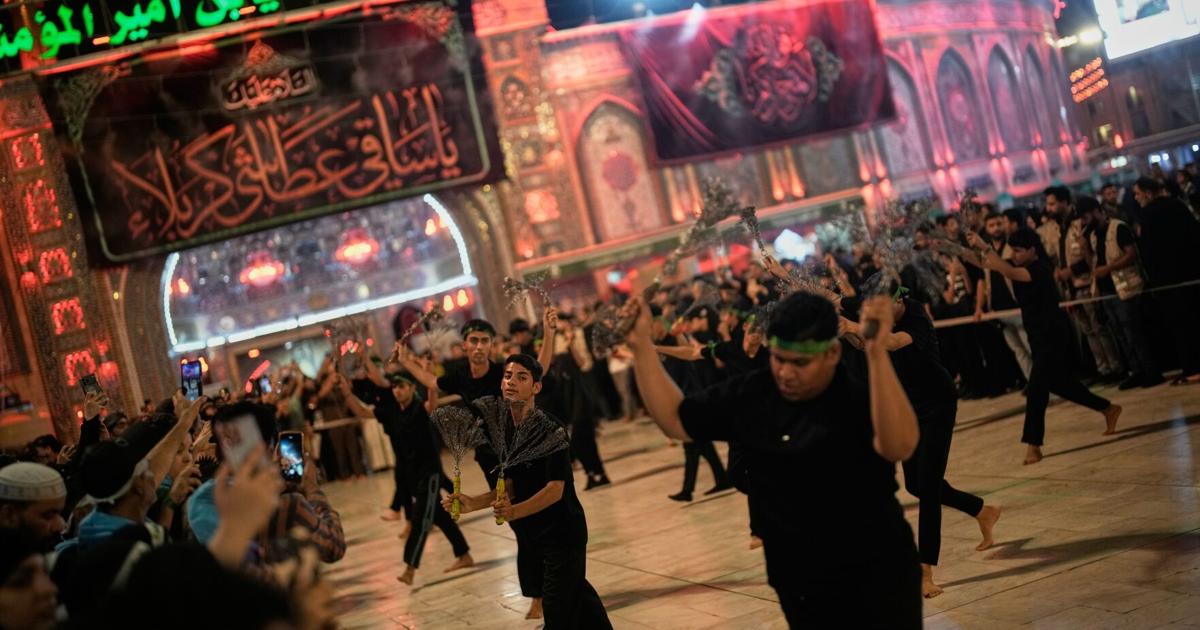
The observance of mourning rituals in Shiite Islam is a profound aspect of the faith, particularly during significant events like the passing of a revered leader. Such rituals often reflect deep-seated traditions and emotional expressions of grief, united by the themes of sacrifice and remembrance. As communities gather to honor their leaders and martyrs, they engage in practices that serve to fortify their faith and cultural identity.
The Significance of Mourning in Shiite Islam
In Shiite traditions, mourning serves a dual purpose: it commemorates the martyrdom of important figures and reiterates the core tenets of the faith. The rituals are not just personal expressions of sorrow; they emphasize collective remembrance and reaffirm the values shared within the community. Participants often partake in various activities that highlight their devotion, including reciting elegies and performing symbolic acts of penance. These practices help individuals to connect with their spiritual roots and reinforce their commitment to their beliefs.
Ceremonial Practices During Mourning
One of the most striking elements of Shiite mourning rituals is the practice of self-flagellation, where mourners punish themselves as a form of expressing grief. This intense act involves participants using chains or other instruments to invoke the suffering of figures such as Imam Hussein, the grandson of the Prophet Muhammad. These actions are perceived as a way to emulate his sacrifice and are performed in public spaces to foster community solidarity. Such displays not only serve as a demonstration of faith but also enhance group cohesion, allowing participants to share their pain and devotion collectively.
The Role of Community in Mourning Rituals
The communal aspect of mourning rituals is an essential component of the Shiite faith. When large groups come together, the shared experience creates a strong sense of brotherhood among participants. This unity reinforces the emotional weight of the occasion, as individuals support one another in expressing their grief. Community gatherings are often accompanied by educational and spiritual discussions, allowing for deeper understanding and connection among members. As such, these rituals go beyond mere mourning; they become transformative experiences that solidify community bonds and shared beliefs.
Modern Adaptations of Traditional Rituals
In recent years, Shiite mourning practices have adapted to accommodate contemporary societal changes and technological advancements. While traditional methods remain significant, many communities have embraced modern platforms to engage with broader audiences. Online forums, social media, and live-streamed events have emerged as new venues for sharing mourning rituals, enabling participation from those who cannot physically attend gatherings. This evolution reflects the resilience of the community and its ability to preserve cultural identity amidst a changing world.
As the legacy of important figures continues to resonate within the community, these mourning rituals remain integral to the expression of faith, identity, and collective memory. The intertwining of tradition with modernity ensures that the essence of these observances endures, allowing future generations to appreciate their significance.