
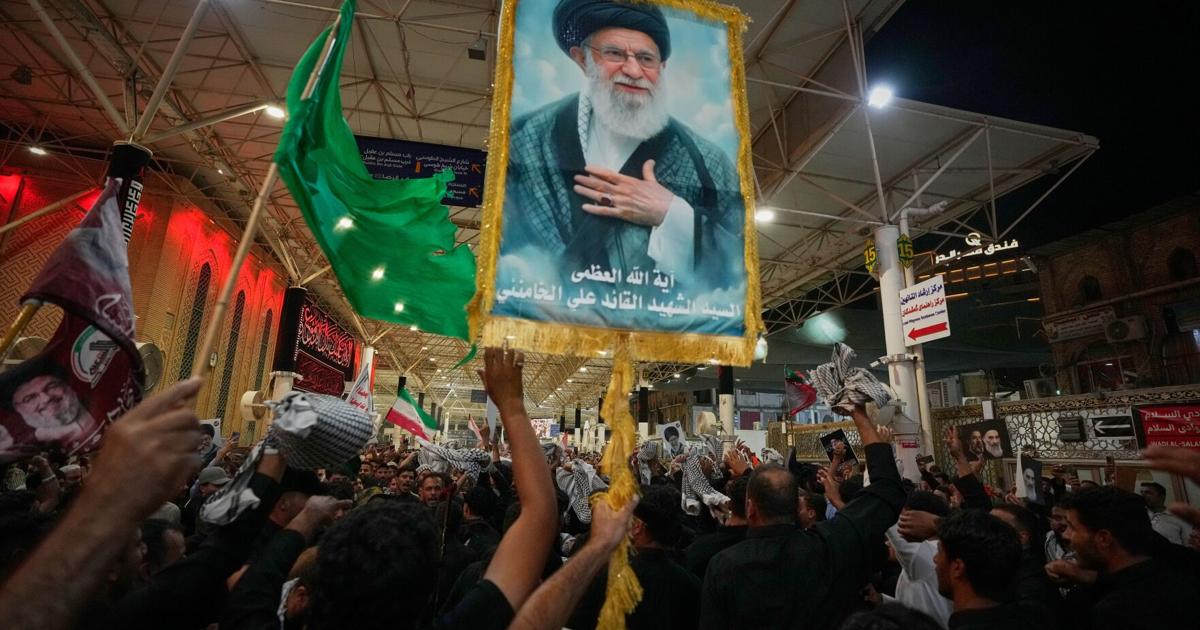
In an expression of deep sorrow and reverence, mourners gathered to honor the memory of the late Iranian Supreme Leader, Ayatollah Ali Khamenei. The occasion was marked by the display of Shiite religious flags, as well as heartfelt tributes that reflected the profound impact he had on the community and the nation as a whole.
Significance of the Mourning Rituals
The gathering outside the Imam Ali Shrine was more than just a funeral ceremony; it served as a significant moment for the Shiite community. Mourning rituals in this tradition are steeped in history and symbolism, reflecting the community’s connection to their leader and the values he espoused. Participants carried portraits of Khamenei, underscoring his enduring influence and the respect he garnered during his lifetime. These ceremonies are a way for the community to express grief collectively, sharing their sorrow while also celebrating the legacy left behind.
The Role of Shiite Traditions in Mourning
Shiite practices in mourning are rich in cultural and spiritual meaning. They often involve gatherings where individuals come together to remember and honor the deceased. The display of flags and portraits serves as a means of connection, reminding participants of the shared beliefs and values. The Imam Ali Shrine, a significant holy site, further enhances the spiritual dimensions of the event, providing a sacred space for reflection and remembrance. Such rituals highlight the significance of community bonds and tradition in the face of loss.
The Legacy of Ayatollah Khamenei
Khamenei’s leadership was marked by strong convictions and policies that shaped Iran’s trajectory for decades. His commitment to Shiite Islam and advocacy for regional unity resonated deeply with his followers. The public outpouring of grief attests to the powerful legacy he left behind, influencing not only followers in Iran but also Shiite communities worldwide. As mourners pay their respects, they not only honor his contributions but also reflect on the future of the nation he helped to guide.
Community Response and Reflection
The response from the community showcases a shared sense of identity and purpose. Many participants view these mourning ceremonies as essential for healing and solidarity during such difficult times. As flags are waved and portraits are displayed, the underlying message is one of unity. Communities must come together in moments of loss, reinforcing their connections and values. The significance of collective mourning cannot be understated; it offers a space for individuals to express their feelings and support one another.
In conclusion, the mourning for Ayatollah Ali Khamenei represents more than just the loss of a leader; it embodies the collective identity of the Shiite community. Through rituals steeped in tradition, participants honor a legacy built on shared beliefs while fostering unity in the wake of loss. The impact of such events resonates well beyond the immediate gathering, influencing the broader narrative of spirituality, community, and leadership.