
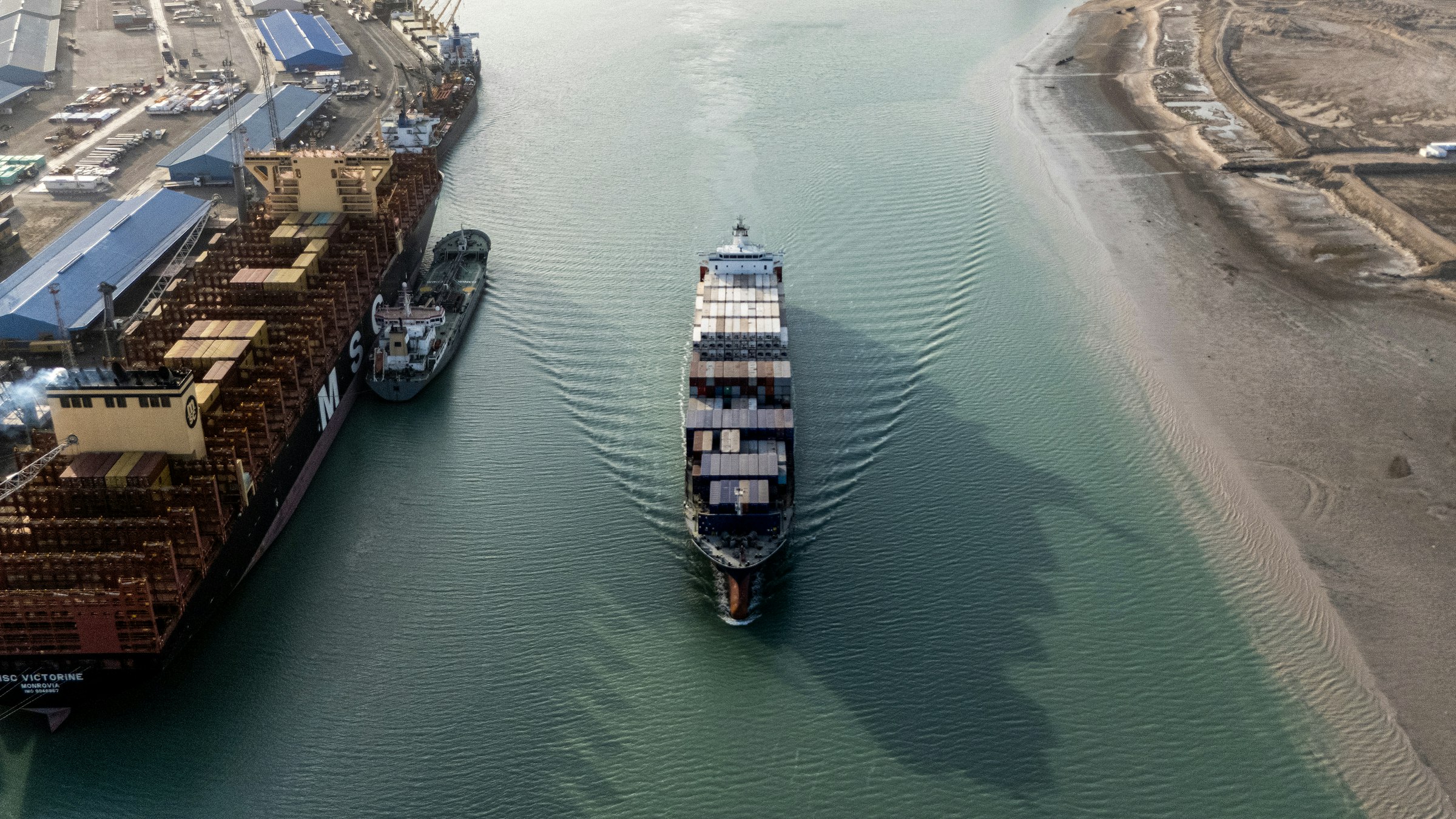
Iraq is on the verge of revitalizing its maritime shipping industry after a prolonged period marked by conflict and instability. The nation’s shipping fleet has remained inactive due to years of war and sanctions, which have kept Iraqi-flagged vessels from navigating international waters. Relying heavily on foreign ships for trade has continuously strained Iraq’s economy, traditionally reliant on the maritime transportation of its expansive oil exports, which average over 3.3 million barrels daily.
The Need for a Strong Maritime Presence
The recent geopolitical tensions in the region, particularly involving Iran, Israel, and the United States, have amplified the urgency for Iraq to establish a self-sufficient shipping fleet. The closure of strategic shipping routes has heightened the risks associated with foreign dependency, leaving Iraq vulnerable to disruptions. This situation has catalyzed discussions among Iraqi officials about the importance of reviving the maritime sector as a means to regain economic control and enhance national security.
In rebuilding its shipping capabilities, Iraq aims to reduce the reliance on foreign vessels for transporting its oil, thus mitigating potential trade disruptions caused by geopolitical instability. The revival of the Iraqi shipping fleet is not merely about transporting goods; it signifies a strategic move towards economic independence. By reinvigorating this sector, Iraq hopes to sustain its oil export revenues and foster overall economic growth.
Investment and Development Strategies
Efforts to modernize and expand Iraq’s maritime fleet will require extensive investment and strategic planning. The Iraqi government is expected to pursue partnerships with global shipping companies and seek technological advancements to enhance its fleet’s operational efficiency. By adopting modern shipping technologies and practices, Iraq can improve its competitiveness in the international market, making it an attractive trading partner.
Moreover, developing port infrastructure is vital for supporting a robust maritime industry. Upgrading existing facilities and potentially constructing new ports will create a more efficient logistics network, enabling quicker turnaround times for ships and enhancing trade flow. Additionally, the government will need to implement favorable policies that facilitate investment in the maritime sector and create job opportunities for Iraqis.
Challenges Ahead
Despite the positive momentum, numerous challenges remain that could hinder Iraq’s maritime aspirations. The political landscape is still fragile, and ongoing conflicts within the region pose a significant threat. In addition, financial resources may be limited, requiring careful management of investments and international partnerships.
Furthermore, training and retaining skilled labor will be crucial to realizing this vision. Developing a skilled workforce familiar with modern shipping practices and regulations will require dedicated educational initiatives and partnerships with maritime training institutions. These efforts will ensure that Iraq’s maritime revival is sustainable, preparing the workforce for the demands of a competitive shipping industry.
In conclusion, Iraq’s journey toward restoring its maritime shipping fleet is a complex but potentially rewarding endeavor. By addressing the challenges and investing in infrastructure, technology, and human capital, the nation can fortify its economy and enhance its standing on the global stage. The revival of Iraq’s maritime capabilities could mark a new chapter in its economic history, promoting both economic independence and stability.