
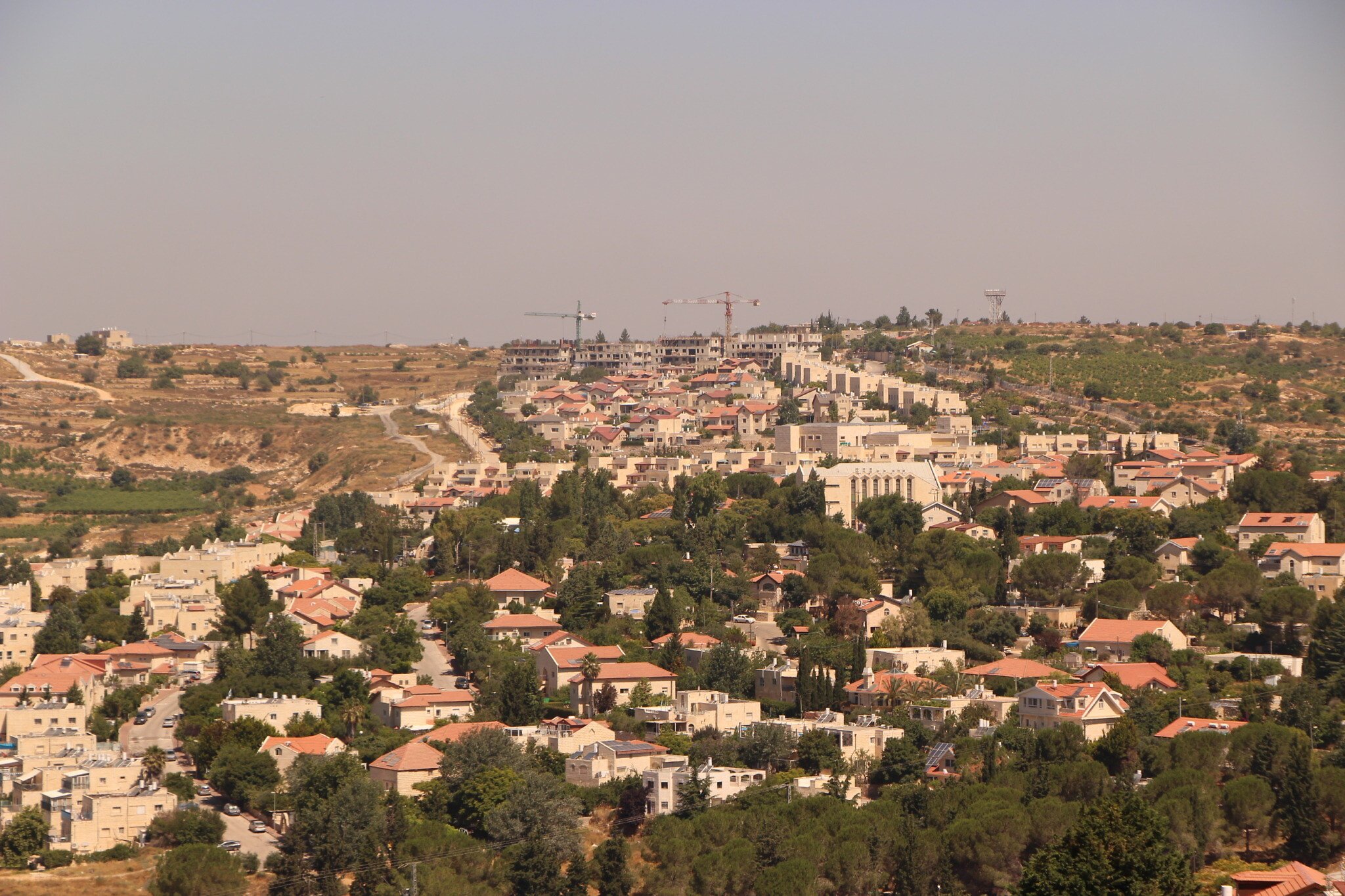
Ireland’s parliament has recently enacted legislation prohibiting the importation of goods from Israeli settlements located in the West Bank and parts of East Jerusalem. This significant move positions Ireland at the forefront of European nations taking a stand against Israel’s territorial claims in these contested regions.
Legislation Details and Scope
The newly passed Israeli Settlements (Prohibition of Importation of Goods) bill specifically forbids products originating from “certain Israeli settlements.” This includes goods produced in residential, agricultural, and commercial areas beyond Israel’s internationally recognized borders. These regions, often characterized by their contentious status, include industries that have historically sparked debate both politically and ethically.
Ireland is the first member of the European Union to propose such a strict trade restriction, although Spain implemented a similar series of import limits last October. The ruling coalition in Dublin, which framed this bill, cited guidance from an advisory opinion issued by the International Court of Justice (ICJ) in 2024, stating that Israel’s presence in these territories constitutes illegal occupation under international law.
International Reactions and Context
This legislation is a part of a broader, often contentious international dialogue regarding Israeli settlements. While most nations regard these settlements as unlawful, Israel argues for a historical and cultural connection to the land. Israel has maintained control over the West Bank since the Six-Day War in 1967, and despite international criticism, the expansion of settlements has continued, complicating the prospects for peace in the region.
Ireland’s advocacy against Israeli military actions, particularly following the deadly Hamas-led invasion of southern Israel in October 2023, reflects its increasing willingness to confront what it perceives as injustices in the Israeli-Palestinian conflict. The decision to recognize a Palestinian state in 2024 marked a significant policy shift, highlighting Ireland’s commitment to advocating for Palestinian rights.
Economic Impact of the Import Ban
Economically, Ireland’s ban is expected to have limited impact, with trade with the settlements accounting for less than one million euros in goods between 2020 and 2024. The goods affected primarily include fruits, vegetables, and timber. Critics of the legislation argue that the bill does not go far enough since it excludes services from the prohibition, which opposition members contend should also be examined.
Despite its seemingly minimal economic ramifications, the legislation carries symbolic weight, emphasizing Ireland’s moral stance on the issue. The government contends that implementing a ban on services is legally intricate and requires careful consideration to ensure it is enforceable.
Broader Implications for EU Policies
The introduction of this bill comes amid ongoing discussions within the European Union regarding the possibility of restricting trade with Israeli settlements. While talks are underway, consensus among member states remains elusive. Some nations support the proposed efforts, while others hesitate, reflecting divergent opinions on the Israeli-Palestinian conflict.
Ireland’s vocal opposition towards Israel has led to diplomatic strains, including the closure of Israel’s embassy in Dublin, attributed to what Israeli officials describe as Ireland’s increasingly “extreme anti-Israel policies.” Following the enactment of this ban, it remains to be seen how Ireland’s actions will influence wider EU policies and the future of its relationship with Israel.