
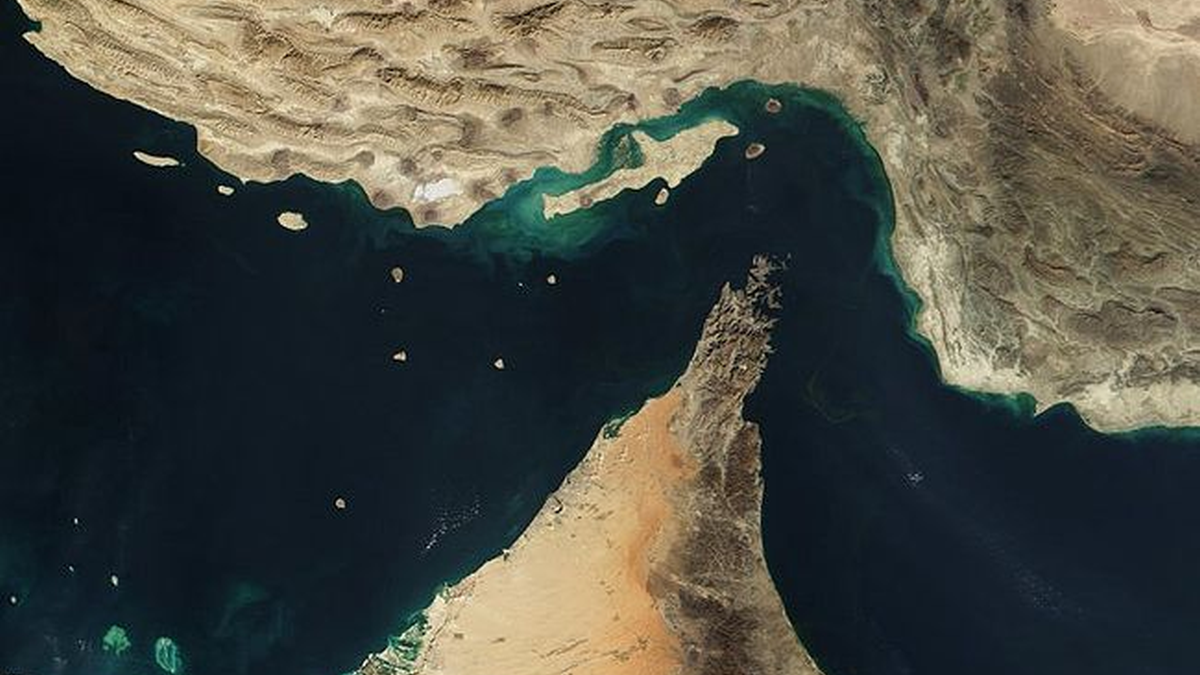
Qatar’s Ministry of Foreign Affairs spokesperson, Dr. Majed Al Ansari, has publicly attributed an attack on a Qatari state-owned LNG carrier to Iran. This incident, which targeted the vessel Al-Rekayyat, occurred while the carrier was navigating through the Strait of Hormuz, a vital route for maritime traffic. Al Ansari called the assault “unacceptable” and emphasized that it threatened the security of international navigation and global energy supplies. He categorized the attack as a serious violation of international law and has demanded Iran cease actions that jeopardize regional stability.
Details of the Incident
According to Dr. Al Ansari, the attack on the Al-Rekayyat constitutes a direct threat to maritime safety and could have significant ramifications for the international energy market. US officials have echoed these concerns, linking the aggression to Iran’s Islamic Revolutionary Guard Corps (IRGC), which reportedly targeted several commercial vessels in the area with missiles. Reports from the online news outlet Axios and The Wall Street Journal confirmed these allegations, citing unnamed US sources stating that attacks on multiple ships occurred near the Strait of Hormuz.
Meanwhile, Iranian state media presented a different narrative. An anonymous source claimed that the Al-Rekayyat had attempted to chart a course through the Omani route with the backing of the US Navy but was targeted for ignoring multiple warnings. The report from Iran emphasized that vessels must adhere to designated routes in the Strait of Hormuz; otherwise, their safety could not be guaranteed. Additional sources indicated that the Al-Rekayyat sustained significant damage during this transit and issued a Mayday distress signal.
Response from Authorities
At the time of reporting, the Royal Navy’s United Kingdom Maritime Trade Operations (UKMTO) confirmed an incident defining an attack on a tanker that was traveling southbound near Oman. This report highlighted that the vessel was struck by an unidentified projectile, which resulted in a fire onboard. Fortunately, the UKMTO stated there were no reported casualties or environmental damage, but investigations into the incident are ongoing.
Given that the Al-Rekayyat is a 216,300-cubic meter Q-Flex LNG carrier, owned and managed by Nakilat, the company’s oversight of the incident indicates the potential economic implications of this attack, which marks the first time a Qatari LNG vessel has been targeted since the onset of the regional conflict in early 2026.
The Broader Context of Maritime Security
This incident adds to the growing concerns about maritime safety in the region. Reports indicate that multiple vessels have faced threats over recent months, including attacks in the Red Sea resulting in distress calls from commercial shipping vessels. A recent report identified the Palau-flagged bulk carrier Lady Naeima as being attacked, with potential links to Houthi forces in Yemen. The International Maritime Organization (IMO) noted a worrying trend, with 24 incidents of piracy and armed robbery reported in the Red Sea and Gulf of Aden.
As global energy supplies increasingly become a target for regional actors, the international community must remain vigilant. The concerns voiced by maritime security officials reflect an urgent need for enhanced protection measures and coordinated actions to safeguard commercial shipping against rising threats. Secretary-General of the IMO, Arsenio Dominguez, has called for global efforts to protect seafarers, emphasizing that the dangers of piracy and armed attacks remain ever-present.
In summary, the ongoing turmoil in the region, marked by this recent attack on a Qatari LNG vessel, not only poses serious consequences for maritime security but also for global energy dynamics.