
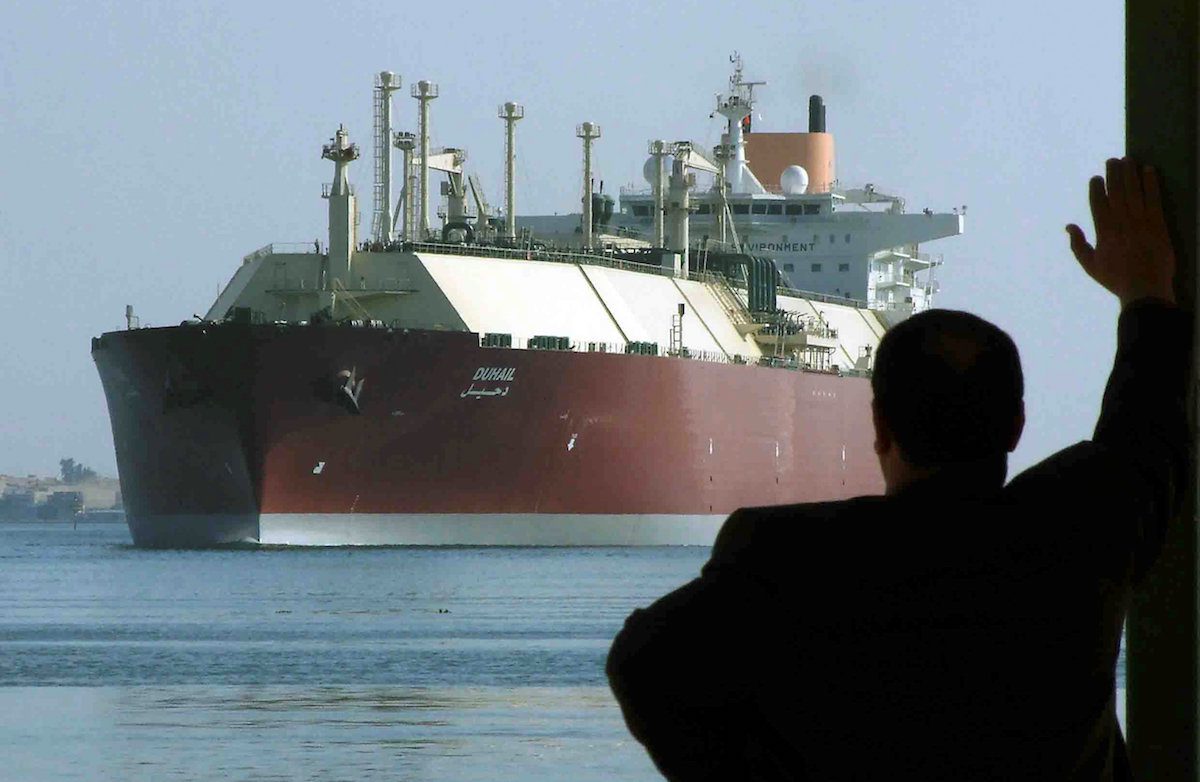
On July 7, alarming reports emerged regarding maritime security in the Strait of Hormuz, a pivotal waterway for global oil shipments. Two vessels, including a Qatari LNG tanker and a Saudi-flagged crude oil tanker, faced peril as they were reportedly targeted by Iranian missiles. This incident raises concerns over safety in one of the world’s most critical maritime corridors.
Details of the Attack
The Qatari vessel, known as the Al Rekayyat, was carrying liquefied natural gas when it sustained damage on its port side, prompting the crew to issue a mayday call for immediate assistance. According to sources, the tanker is at risk of explosion due to an ongoing fire in its engine room, although the crew has since been evacuated and is reported to be safe. The urgency in the captain’s radio communication emphasizes the gravity of the situation: “We are being hit by a drone on the port side,” he stated. This marks the first recorded incident involving a Qatari LNG ship since the start of hostilities with Iran in late February.
In another concerning development, a Saudi supertanker identified as the Wedyan also experienced damage off the coast of Oman, though the specifics surrounding this attack remain unclear. Sources familiar with maritime security indicate that these incidents may signal an escalation in confrontations within this vital region.
Iran’s Role and Potential Escalation
Initial assessments hint that Iran may be behind the missile attacks targeting commercial vessels, although no formal claims of responsibility have been issued. A U.S. official, preferring to remain unnamed, mentioned that early indications suggest Iranian involvement. In response, Qatar’s foreign ministry placed full legal responsibility for the incident on Tehran, although Iran has yet to release an official statement.
Additionally, there were reports of a Liberia-flagged LPG tanker, believed to be the Al Maryah, being coerced by Iranian forces to alter its course closer to Iranian waters while transiting the Strait. Such actions raise concerns over the safety and security of maritime operations in this strategic area, leading to increased volatility in oil markets as operators reassess risks.
Market Implications and Shipping Trends
The attacks have had immediate repercussions on tanker rates, witnessing a spike as concerns grew over shipping safety. Average daily rates for loading a vessel in the Gulf surged to nearly $300,000 after previously dipping below $200,000 due to increased maritime activity. Despite a temporary rise in ship traffic through the Strait, averaging between 25 to 40 vessels daily, this figure remains significantly lower than pre-conflict averages, which hovered around 125 ships.
With heightened tensions and a potential escalation in hostilities, the passage of ships through the Strait of Hormuz continues to be fraught with risk. A ship broker noted that the unpredictable nature of transit arrangements is injecting further uncertainty into the maritime landscape, putting pressure on supply chains reliant on this crucial shipping route.
Conclusion: Persistent Risks Ahead
The ongoing incidents underscore the persistent threats to shipping safety in the Strait of Hormuz, despite assurances of secure passage under an interim agreement between the U.S. and Iran. The delicate balance of power in the region necessitates careful navigation by shipping companies, challenged by both geopolitical tensions and economic implications.
As the situation unfolds, maritime stakeholders must remain vigilant and adaptable, ready to respond to the evolving security landscape that continues to challenge the safe passage of vessels through this vital economic corridor.