
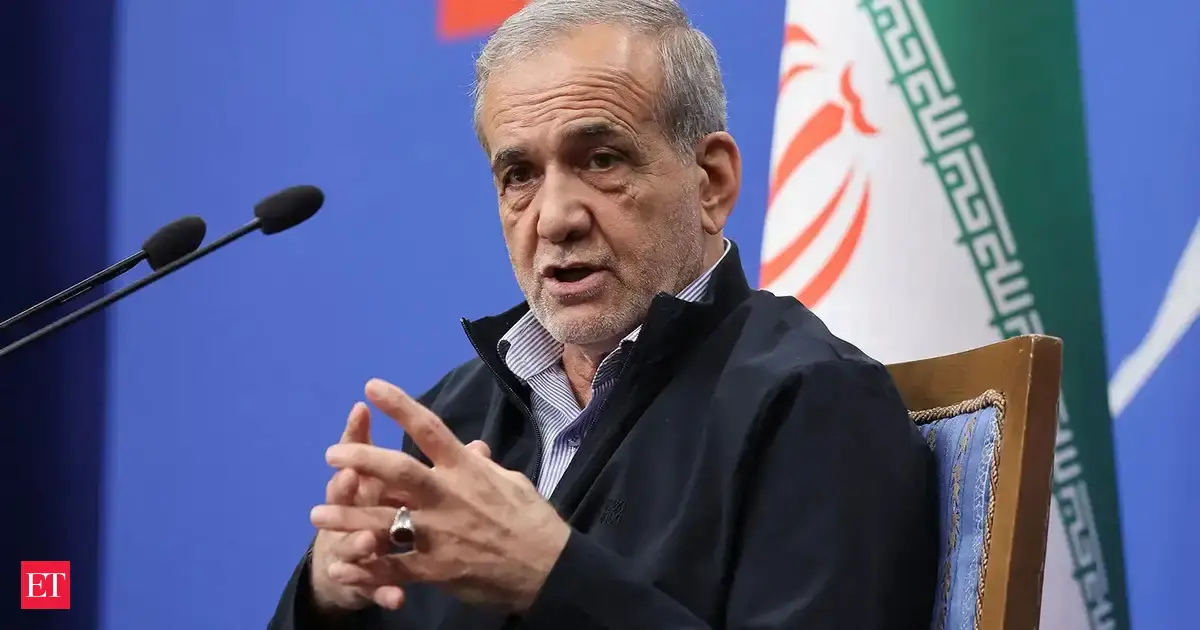
Tehran’s political landscape is shifting as Iranian President Masoud Pezeshkian wraps up his visit to Iraq. This journey coincided with the somber events surrounding the funeral of Ayatollah Ali Khamenei, the former Supreme Leader of Iran, and was marked by escalating tensions in the region.
Conclusion of Pezeshkian’s Visit
Pezeshkian departed from Najaf in the early hours of Wednesday after finalizing his attendance at the multi-day funeral events for Ayatollah Khamenei. His presence at this significant ceremony underscores the importance of Khamenei in Iran’s political and religious hierarchy. The arrival of Khamenei’s body in Najaf on Tuesday further highlights the deep-rooted connections between Iran and Iraq, especially in spiritual contexts.
Military Tensions Escalate
As Pezeshkian returns to Tehran, the backdrop of his visit is overshadowed by escalating military tensions. The United States has initiated a series of airstrikes targeting Iranian facilities in retaliation for recent attacks on commercial vessels in the Strait of Hormuz. According to reports from the U.S. Central Command (CENTCOM), these military actions are a direct response to perceived threats to international shipping routes—a vital passage for global trade.
The U.S. military has emphasized the need to impose significant consequences on Iran for its aggressive actions in international waters. CENTCOM labeled Iran’s recent military engagements as “unwarranted” and a violation of ongoing ceasefire agreements. In light of these developments, Iran has vowed a resolute response, indicating that the situation may lead to further escalation.
Iran’s Reaction and Domestic Developments
Simultaneously, reports from Iranian state media indicate explosions in southern Iran, particularly near Sirik and Qeshm. These incidents appear to be linked to the fallout from U.S. airstrikes, demonstrating the interconnectedness of military and domestic issues. Furthermore, the Iranian government remains vigilant, with military leadership signaling a readiness for decisive action in response to U.S. aggression.
Compounding these tensions, the U.S. Treasury Department has rescinded a temporary license that allowed Iran to export crude oil and other related products through mid-August. This decision is expected to heighten economic pressures on Tehran while concurrently complicating ongoing negotiations aimed at resolving the broader conflict.
The Regional Impact
The ramifications of these events extend beyond Iran and the U.S., affecting regional stability and security. With the Strait of Hormuz being a critical transit route for oil and trade, any disruptions caused by military actions have the potential to impact global economies. Countries closely monitoring these developments are left in a precarious position, weighing the risks of engaging in diplomatic discussions versus supporting military interventions.
In conclusion, President Pezeshkian’s return to Tehran amid such turbulent circumstances highlights the delicate balance between political commemorations and military confrontations. As both sides brace for potential escalation, the international community watches closely, wary of the broader implications that may arise from this increasingly volatile situation. The interplay between Iran’s internal politics and external pressures will be crucial in determining the path ahead for stability in the region.